
Ferrari Purosangue: A V12 Powerhouse That Rejects the SUV Label
The latest offering from Maranello challenges traditional vehicle categorization by prioritizing passenger comfort and high-end performance over cargo utility.
 Radwan AbdulhadiEditor and technology writer
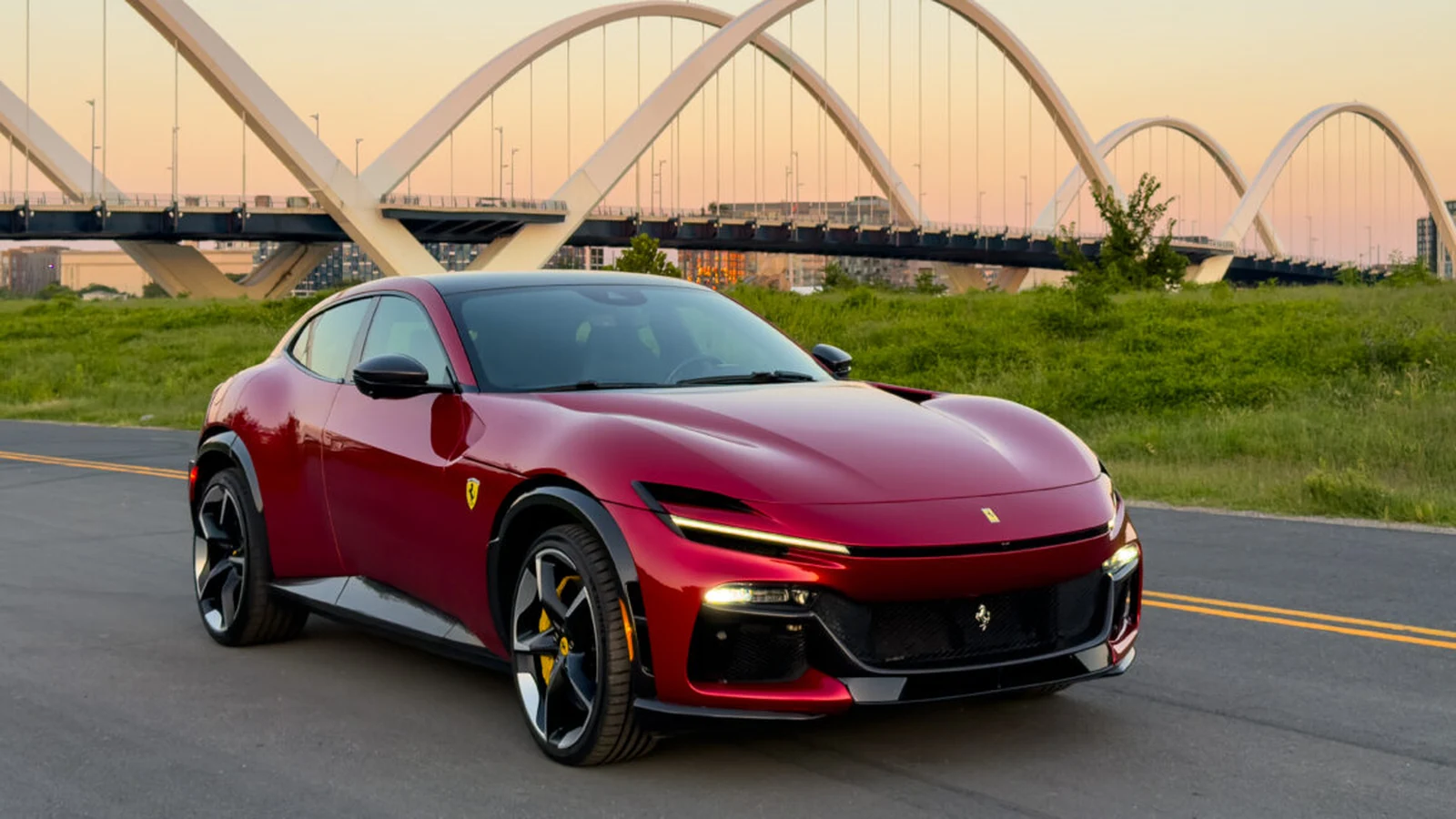
Redefining the Ferrari Four-Seater
Ferrari has long sought to accommodate passengers beyond the standard two-seat sports car configuration. From the 250 GT 2+2 of the 1960s to the 612 in the early 2000s, the automaker has experimented with various layouts. This evolution continued with [the all-wheel drive FF](https://arstechnica.com/cars/2016/02/getting-to-know-the-ff-a-ferrari-you-can-drive-every-day/), which prioritized unique styling over conventional cargo needs. Subsequent models, including [the GTC4 that followed](https://arstechnica.com/cars/2018/07/the-gtc4lusso-t-is-a-ferrari-you-really-could-drive-every-day/), maintained this approach to passenger-focused performance.
Engineering the Ferrari Utility Vehicle
The Purosangue introduces a distinct shift in the company's design philosophy. By incorporating rear-hinged doors that provide direct access to bucket seats, the vehicle creates a more usable space for passengers. However, the presence of an immovable firewall between the cabin and the cargo area—along with non-folding rear seats—underscores why the manufacturer avoids the SUV designation, opting instead to label the Purosangue as an FUV, or Ferrari Utility Vehicle. This design choice stands in contrast to the [Breadvan](https://en.wikipedia.org/wiki/Ferrari_250_GT_SWB_Breadvan) styling of previous iterations, which often prioritized cargo space.
Performance and Technical Specifications
Under the hood, the Purosangue houses a 6.5 L naturally aspirated V12 engine. Positioned in a front-mid layout, this engine delivers 715 hp and 528 lb-ft of torque. The vehicle utilizes an eight-speed dual-clutch transaxle to drive the rear wheels, with a separate power transfer unit at the front of the engine managing the all-wheel drive system. Despite a curb weight of 4,784 lbs, the car maintains a 49:51 weight distribution, aiding in handling and road feedback.
Driving Dynamics and User Experience
Operating the Purosangue in varied environments proves manageable due to refined chassis control systems. While the steering feel is more substantial than [something like a 296](https://arstechnica.com/cars/2022/12/the-2023-ferrari-296-gts-we-drive-ferraris-plug-in-hybrid-convertible/), it remains direct and responsive. Drivers can adjust the vehicle's behavior via a manettino dial, though the interface lacks a dedicated Race mode, replacing it with an Ice setting for adverse conditions.
The interior technology represents a departure from previous complaints regarding [near-unusable capacitive touch version that we experienced in the 296](https://arstechnica.com/cars/2025/10/great-hybrid-v6-lousy-hmi-three-days-with-a-ferrari-296-gtb/). The Purosangue features physical buttons on the steering wheel, allowing for safer operation of features like Apple CarPlay. Climate and seating adjustments, however, are managed through rotating touch controllers that protrude from the dashboard, which may present challenges for drivers during active operation.
Market Positioning and Pricing
The Purosangue occupies a unique space in the high-performance utility market. It is priced higher than competitors such as the [Aston Martin DBX](https://arstechnica.com/cars/2021/01/aston-martins-new-suv-is-actually-extremely-good-the-2021-dbx-review/) or the [Lamborghini Urus,](https://arstechnica.com/cars/2024/12/2025-lamborghini-urus-se-first-drive-the-total-taurean-package/), starting at $393,350. With extensive customization programs available, final costs can climb significantly higher depending on client specifications.
Sources
- Ars TechnicaDon't call it an SUV: The Ferrari Purosangue review