Microsoft Authenticator Replaces Backup With Google One
Microsoft is transitioning the backup mechanism for its Authenticator application on Android, shifting away from personal Microsoft account backups in favor of Google One.
 Radwan AbdulhadiEditor and technology writer
The Shift to Google One Backup
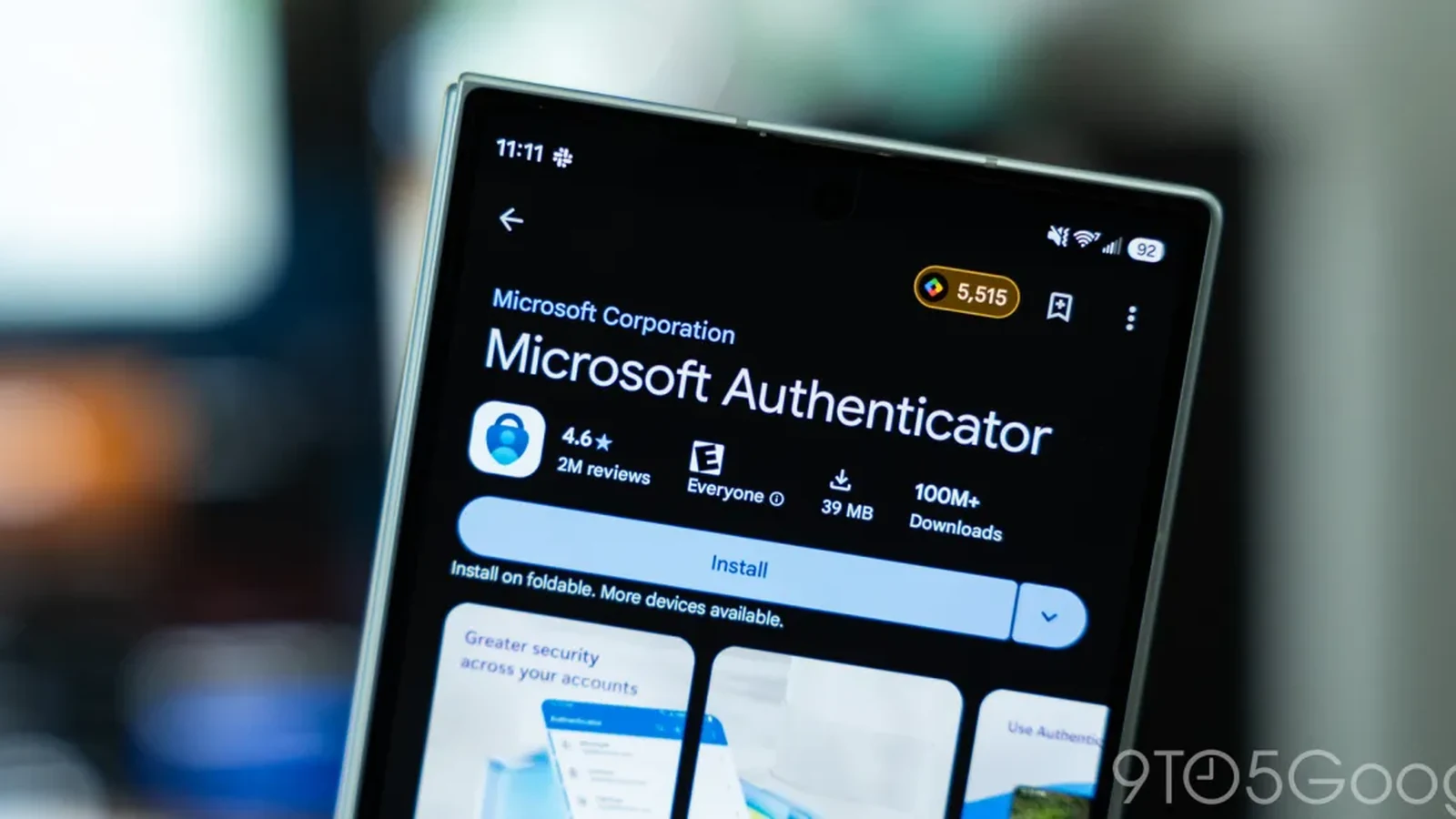
Microsoft has announced a significant adjustment to how data is preserved within its security applications on mobile devices. According to details shared on a support page, the <msft>Microsoft</msft> Authenticator app for Android is phasing out its proprietary password backup option. Instead of relying on a personal Microsoft account to secure one-time password connections and account data, the application will transition to utilizing Google One for its backup services.
This operational shift alters how Android users maintain access to their security tokens across device changes or resets. Rather than authenticating and restoring through ecosystem standards tied strictly to Microsoft credentials, users will need to interact directly with Android native environment controls provided by Google.
Understanding Microsoft Authenticator
For context, <msft>Microsoft</msft> Authenticator functions as a one-time password and two-factor authentication tool operating in a manner similar to other mainstream verification platforms like Google Authenticator. The software generates time-sensitive, single-use numeric codes on a smartphone device, which users must input alongside standard login credentials to access various external online accounts securely.
Because these applications act as security gateways for dozens or even hundreds of personal and professional services, maintaining an accurate and reliable backup of the underlying account configurations is critical. Losing access to an authenticator database can result in significant lockout issues for connected services, making the underlying backup architecture a vital component of the application's user experience.
Timeline and Implementation Details
The structural change is scheduled to roll out in January, introducing a distinct procedural shift for Android users. Starting in January 2027, individuals will no longer use a personal Microsoft account to enable the application's backup features. Instead, users must manually enable "Microsoft Authenticator" directly from within the <google>Google One</google> backup settings located on their Android device.
This configuration requires active user intervention to ensure continuity of protection. Without toggling the specific setting inside the <google>Google One</google> backup panel, account details and one-time password configurations may fail to sync correctly under the new framework.
Precedents in Mobile Ecosystems
While moving away from a proprietary backup solution to a platform-native alternative represents a notable change for Android users, it is not an entirely unprecedented move for the tech giant. The iOS counterpart of the application has long depended on platform-specific infrastructure, relying on iCloud Backup to secure one-time passwords and stored accounts.
By aligning the Android version with <google>Google One</google>, Microsoft is effectively standardizing its mobile authenticator backup strategy around the dominant operating system utilities available on each respective platform, mirroring the structural dependency already established on Apple devices.
Preparing for the Transition
As the implementation window approaches, users of the security utility are advised to review their device settings to prevent any disruption in account recovery capabilities. Ensuring that the proper toggle is activated within <google>Google One</google> will be essential for maintaining seamless cloud synchronization once the native Microsoft account backup pathway is officially deprecated.
Further technical documentation and guidance regarding the precise mechanics of the migration can be accessed directly through official channels, ensuring users have clear instructions as the effective date draws closer.
Sources
- 9to5GoogleMicrosoft Authenticator is ditching its own password backup for Google One
Continue chronologically

Related entity coverage
Related stories
Microsoft: October Updates Did Not Fix Windows VPN Issues
Microsoft admits it mistakenly flagged an Always On VPN bug as fixed in October 2026 Windows updates, with a proper resolution planned for later.

Microsoft Outlook to block MSIX attachments in November
Microsoft announces plans to block .msix and .msixbundle file attachments in Outlook Web and the new Outlook Windows client starting next month.
How to Use Windows PC to Make and Receive Phone Calls
Learn how to use the Windows Phone Link app on your Windows 11 PC to seamlessly make and receive standard phone calls using your iPhone or Android device.
Microsoft October 2026 Patch Tuesday fixes 1,411 flaws
Microsoft's October 2026 Patch Tuesday addresses a record-breaking 1,411 flaws, featuring three zero-day vulnerabilities and new risk cohorts.