
Apple CarPlay vs. CarPlay Ultra: Understanding the Key Differences
While standard CarPlay has been a staple in vehicles for over a decade, the emerging CarPlay Ultra aims to deepen Apple's integration with the driving experience. Here is how the two systems compare.
 Radwan AbdulhadiEditor and technology writer
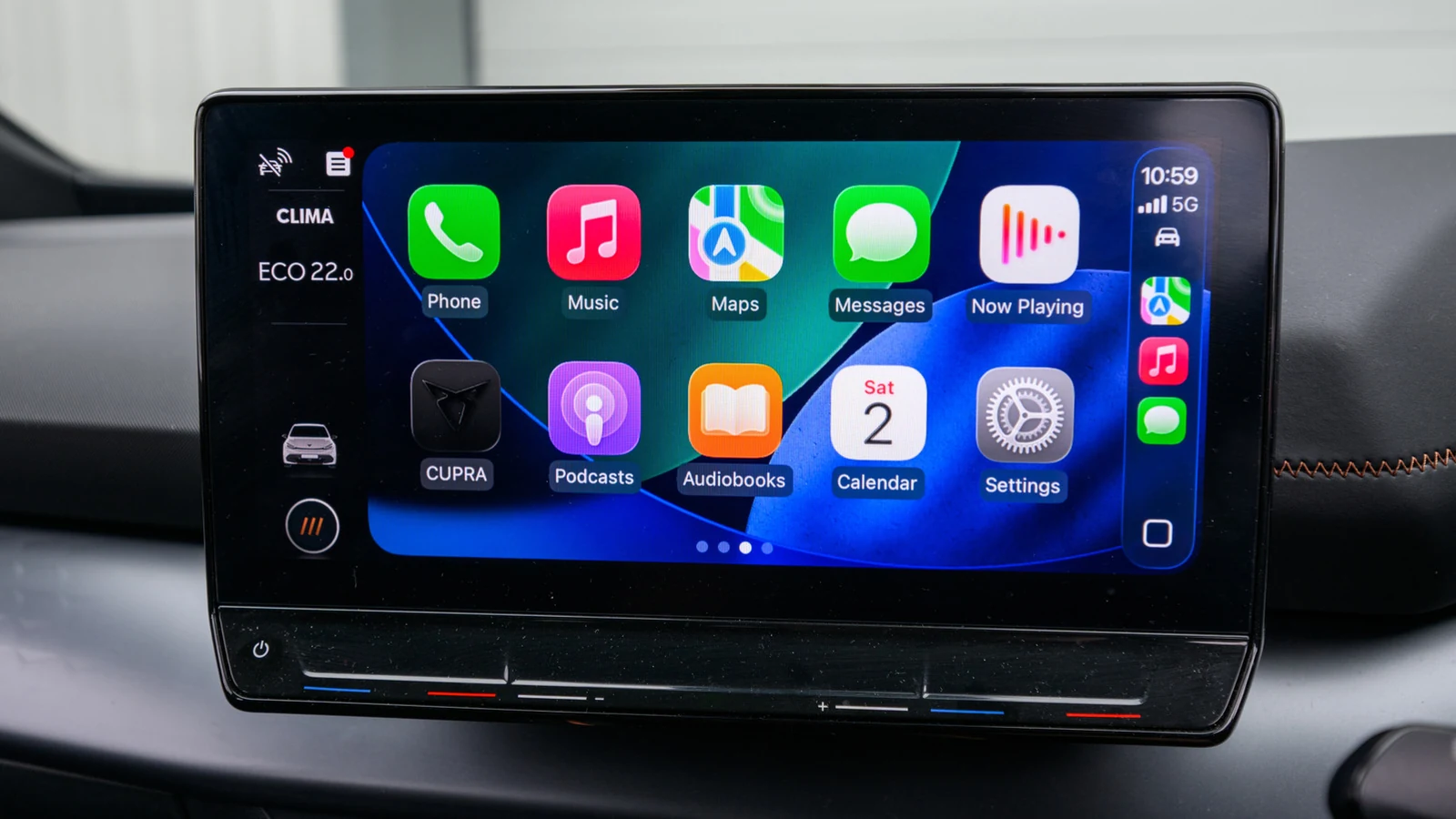
The Evolution of the In-Car Experience
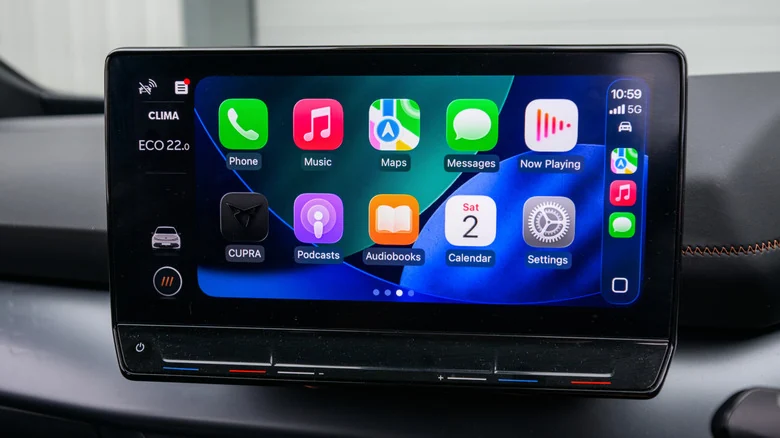
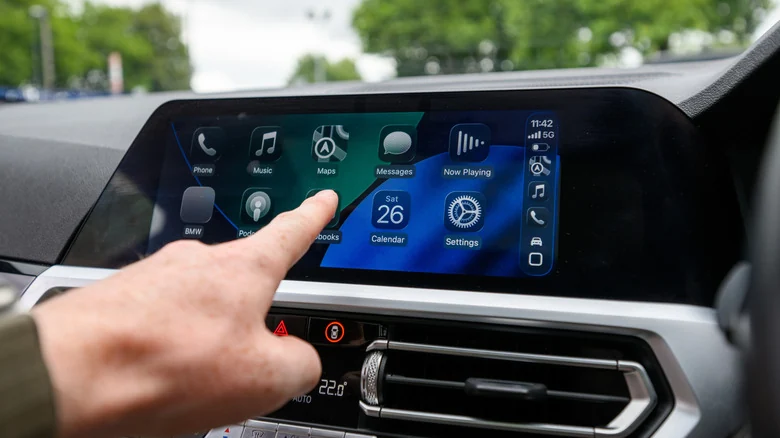
Since its introduction in 2014 alongside iOS 7.1, Apple’s standard CarPlay has become a common feature for drivers seeking a familiar mobile interface on their dashboard. By allowing users to connect your iPhone to your car via USB or wirelessly, the system provides a safe, streamlined way to access navigation, streaming services, and messaging apps without needing to interact directly with a handheld device.
However, the landscape of automotive software is shifting. While many users rely on the standard interface daily, some car manufacturers have been ditching CarPlay in favor of proprietary systems. Despite this trend, Apple continues to push the boundaries of vehicle connectivity with the introduction of its next-generation platform, CarPlay Ultra.
Diving Into CarPlay Ultra
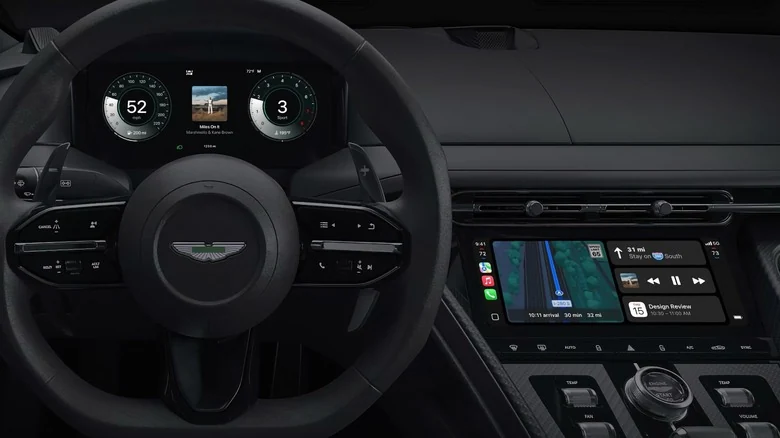
CarPlay Ultra represents a significant leap forward in design and functionality. While the standard version acts as an app-centric overlay limited to a specific infotainment screen, Ultra is built to span across all displays in a vehicle. It does not merely mirror mobile apps; it functions as a comprehensive, Apple-designed operating system for the entire car.
One of the most notable features of this advanced iteration is its ability to handle essential vehicle data. Drivers can view their speedometer, fuel gauge, and other vital performance indicators directly within the Apple interface. Furthermore, the system is highly customizable, allowing users to modify the appearance of their instrument cluster, similar to the level of detail found in modern racing video games.
Deep Integration and Vehicle Control
The core limitation of the standard CarPlay system is its lack of deep integration with internal vehicle hardware. In many cars, switching between the navigation screen and climate control requires the driver to exit the Apple environment entirely, which introduces distractions. CarPlay Ultra eliminates this friction by integrating vehicle controls—such as air conditioning and audio settings—directly into the interface.
By centralizing these controls, Apple creates a cohesive environment where the user never needs to toggle between different software ecosystems. The goal is to provide a unified experience that feels as though the vehicle's entire computer system was built by the Cupertino company itself.
Availability and Limitations
Despite the promise of a more unified driving experience, CarPlay Ultra is currently difficult to access. While standard CarPlay is available in more than 800 vehicle models, the Ultra experience is significantly more restricted. At present, you can only find it in luxury Aston Martins right now, specifically within the US and Canada markets.
Earlier projections regarding wider adoption have faced obstacles. For instance, while Porsche also teased support for CarPlay Ultra, the planned rollout for those vehicles did not materialize. Industry analysts suggest that some automotive companies may be hesitant to grant Apple the level of deep system access required for Ultra, fearing a loss of control over their proprietary features and software ecosystem.
Requirements for the Future
For those interested in upgrading to the next generation of connectivity, the hardware requirements are strict. Users must have an iPhone 12 or later to utilize the features of CarPlay Ultra. Additionally, the system is designed to operate exclusively via a wireless connection, further emphasizing the need for modern hardware and stable network integration.
Apple remains committed to expanding the platform to more vehicles in the coming years. However, based on the current pace of adoption and the complexity of integrating with diverse automotive architectures, widespread availability of CarPlay Ultra appears to be a long-term goal rather than an immediate transition.
Sources
- EngadgetWhat is the difference between Apple CarPlay and CarPlay Ultra?