Intel-Powered Robots Transform Underground Mining Safety
Australian robotics firm ADR is deploying Intel-powered autonomous rovers to navigate hazardous underground mines, gathering critical real-time data while keeping human workers out of harm's way.
 Radwan AbdulhadiEditor and technology writer
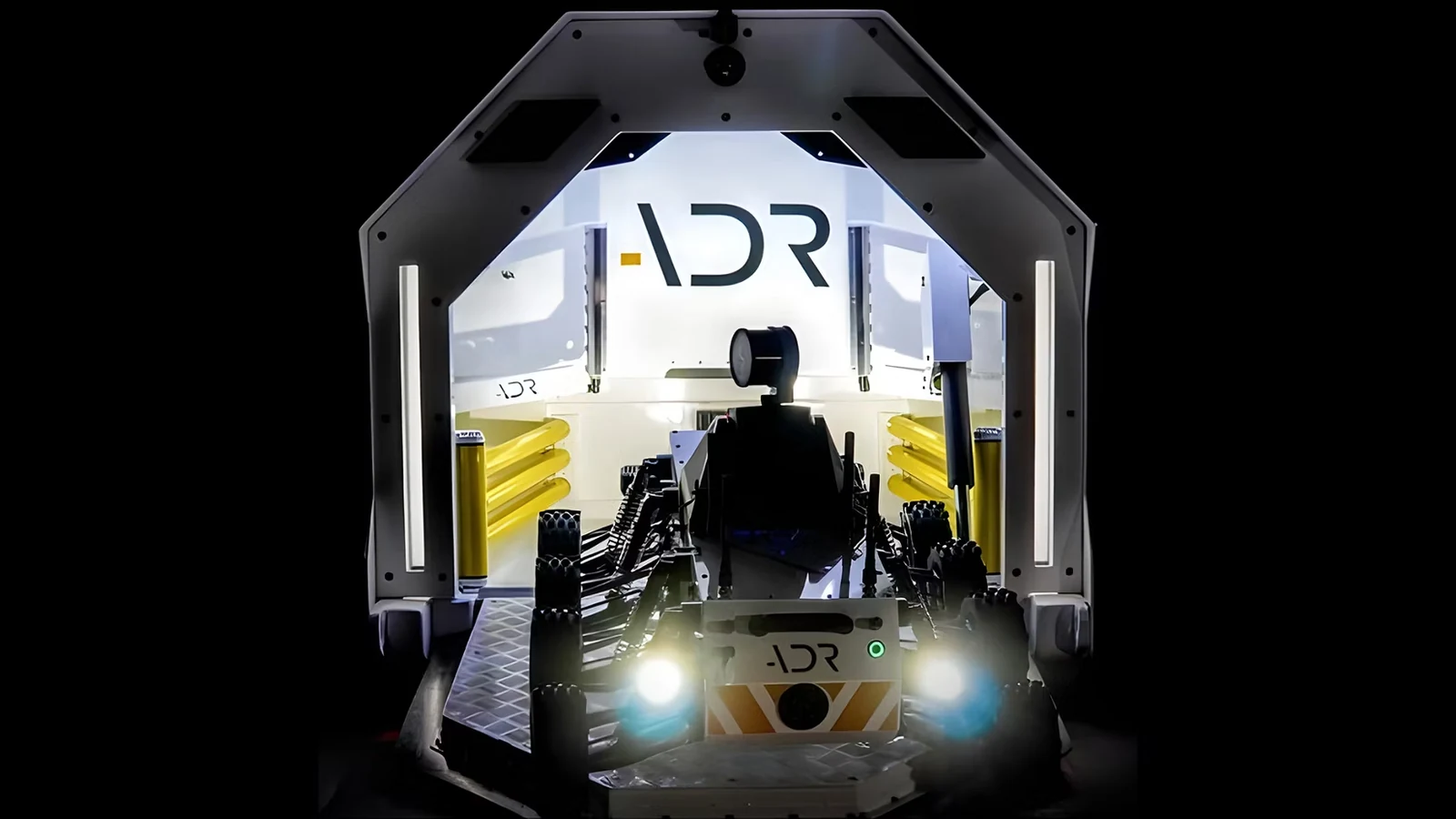
The Hazards of Deep Underground Mining
Extracting critical minerals such as copper, silver, gold, and rare earth elements from the earth is a high-risk and expensive business. Underground mines can run as deep as 2 miles, or 3,000 meters, beneath the earth's surface, placing them among the most hostile and unforgiving environments on the planet.
Deep inside these subterranean operations, mining crews and machinery face extreme heat, a lack of visible light, sudden rockfalls, invisible seams of toxic gas, and a complete absence of GPS signals. Furthermore, mandatory geotechnical and safety inspections require mining machinery to shut down for over 110 hours per month, creating operational costs exceeding $50,000 per week.
Autonomous Rovers Powered by Intel Technology
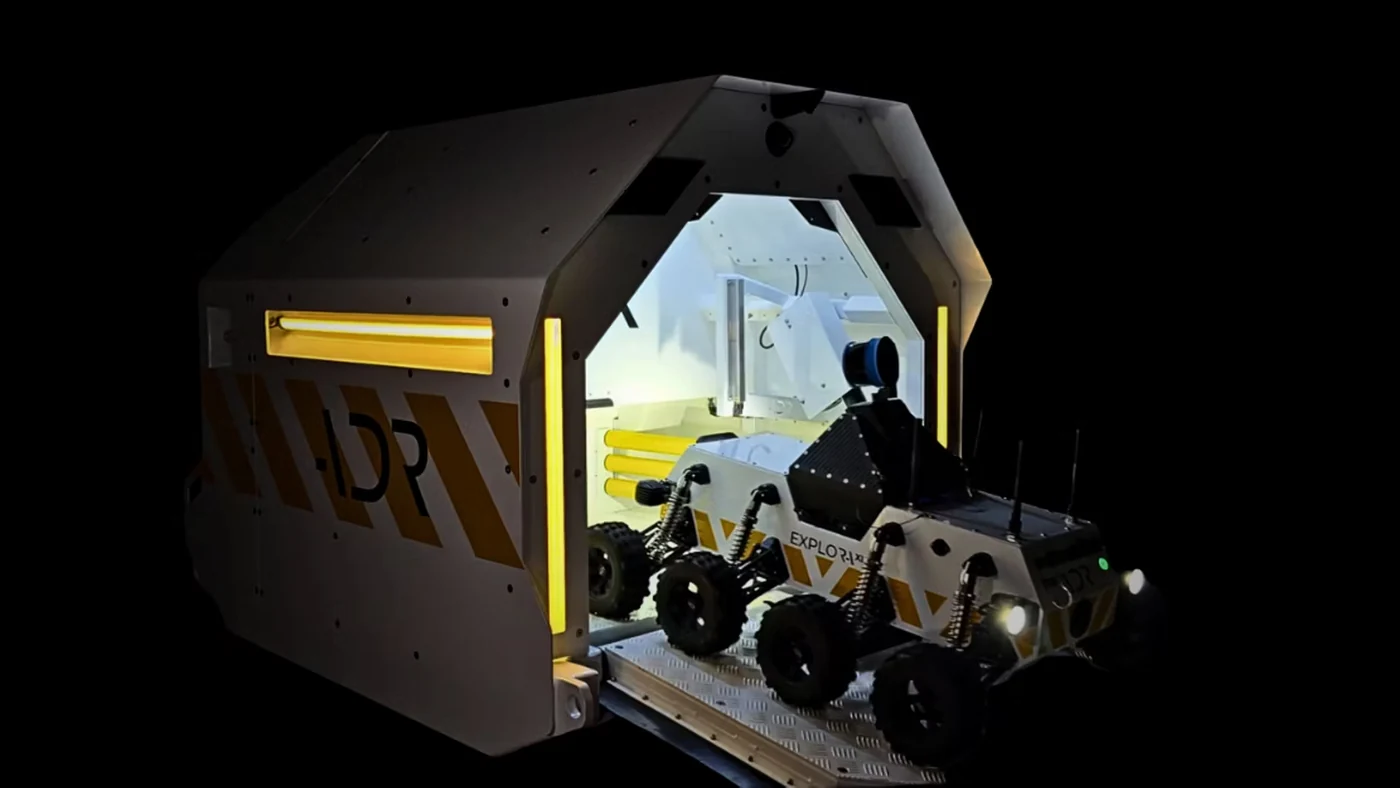
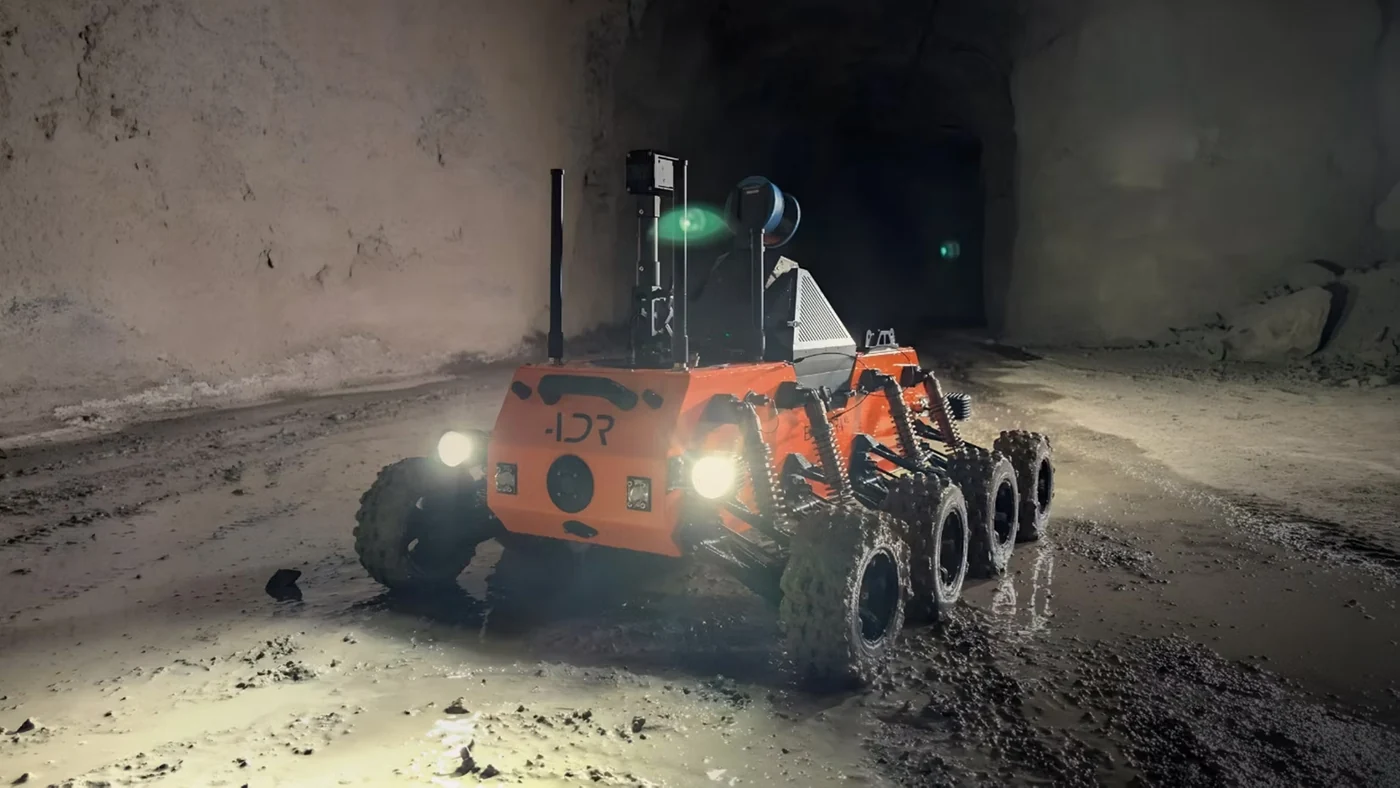
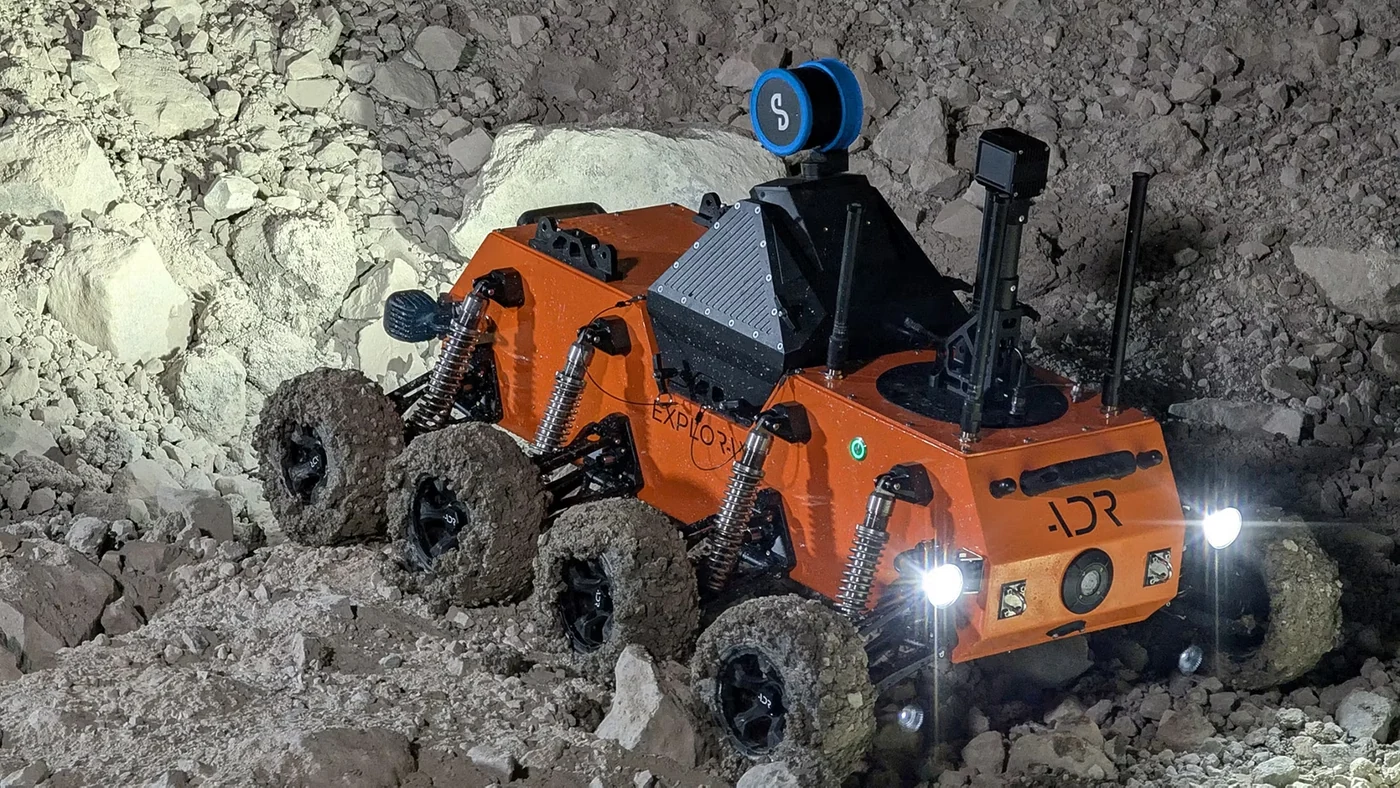
To address these challenges, Australian robotics expert ADR teamed up with Intel to make underground mines safer and more efficient through specialized, autonomous, remote-controlled platforms. ADR relies on advanced hardware, utilizing Intel® Xeon™ processors and Intel® Core™ Ultra on its Explora System to analyze 3D LiDAR data, thermal and visible light images, and gas levels in real time.
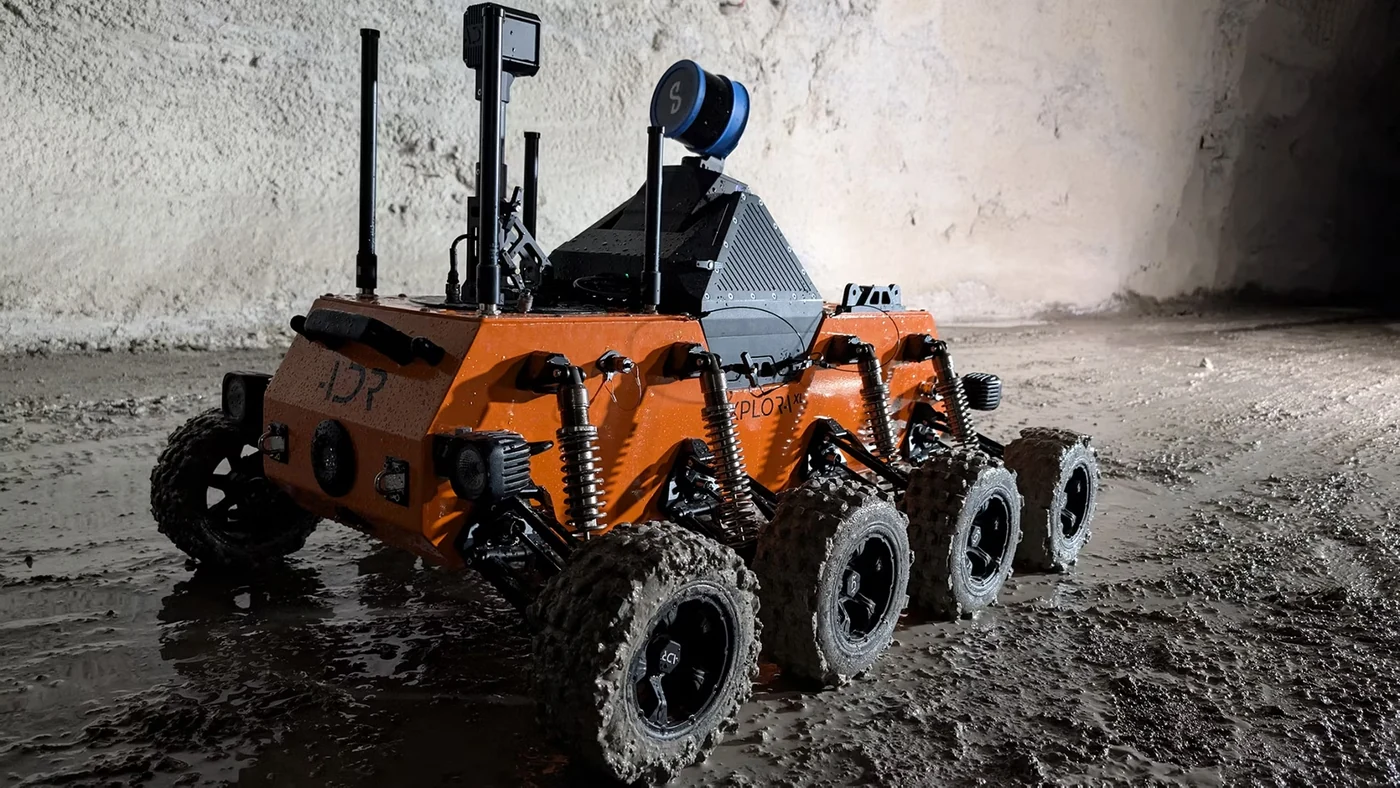
The ultra-rugged rovers weigh approximately 26 kg, or 57 lbs, and are rated to run for up to 12 hours. As they map clear paths through underground mines, onboard sensors produce a massive data cache that is relayed wirelessly to human operators stationed at a safe distance. This process eliminates the trade-off between human safety and high-risk data gathering.
Automated Docking and Maintenance Infrastructure
Once a rover completes its mission, it returns to the ADR Docking Station, a 460 kg, or 1,016 lbs, permanent underground enclosure connected directly to the mine's power and network infrastructure. Within this station, an automated pneumatic air-blast wash system cleans all the rover sensor glass and dirt-caked wheels.
To combat the wet and highly acidic mine environments that typically corrode mechanical contact pins, the docking station utilizes wireless inductive charging to recharge the rovers reliably.
Optimizing Edge Performance and AI Capabilities
Mat Allan, co-founder and CTO of ADR, explained that Intel-based technologies deliver decisive advantages at the edge, where robotics systems face stringent size, weight, and power constraints. After evaluating numerous embedded systems and discrete mobile accelerators, ADR selected Intel platforms to achieve optimal computational density.
According to Allan, leveraging the latest hardware enabled exceptional compute density per watt across the CPU, integrated Arc GPU, and NPU while maintaining strict thermal limits. Internal benchmarking by ADR pointed to a 2X encoder resolution, 1.5X faster overall system speedup, and a 40% improvement in edge AI headroom.
Software Flexibility and Future System Upgrades
In addition to hardware advantages, Intel's open software ecosystem provided significant benefits to ADR and its global mining customers. The use of Intel® OpenVINO™ and related toolkits allows the company to optimize and deploy complex deep-learning vision models and massive spatial point-cloud routines without being locked into closed, proprietary hardware ecosystems.
ADR found that the cycle cost of point-cloud compression dropped so significantly that over 50% of onboard CPU capacity was freed up to execute OpenVINO AI models. These models run real-time rock fragmentation analysis, brow wear measurement, and blast misfire detection without requiring secondary computing hardware.
Looking ahead, ADR announced that the next generation of its Explora system—featuring Intel® Core™ Ultra Series 3 CPUs—will roll out over the next 12 months for all existing customers as part of the company's standard system upgrade process.
Sources
- Intel NewsroomDeep Underground, Intel-Powered Robots Help Make Underground Mining Safer
Continue chronologically

Related stories
Intel Secures FCC Waiver Over Foreign Robot Ban Uncertainty
Intel sought and received a one-year FCC waiver out of caution to ensure foreign-made robotic vehicles could keep operating in US chip fabs.
Intel and MassRobotics Tackle Edge AI and Scaling Challenges
Founders and Intel experts gathered at Boston's MassRobotics to explore how to scale intelligent edge AI prototypes into robust robotic deployments.
Intel Shifts Production to Server CPUs Amid AI Demand
Intel reallocates manufacturing capacity from consumer to server CPUs to address unprecedented AI-driven demand and ongoing supply constraints.
Intel's Gloomy PC Outlook Triggers $1 Trillion Chip Market Wipeout
Intel shares plunge 30% after a weak PC outlook, erasing $150 billion and sparking a wider semiconductor market bloodbath across the industry.