Intel and MassRobotics Tackle Edge AI and Scaling Challenges
Founders, engineers, and developers gathered at Boston's MassRobotics for a workshop addressing how to transition intelligent edge AI prototypes into real-world deployments.
 Radwan AbdulhadiEditor and technology writer
Bridging Prototypes and Real-World Deployments
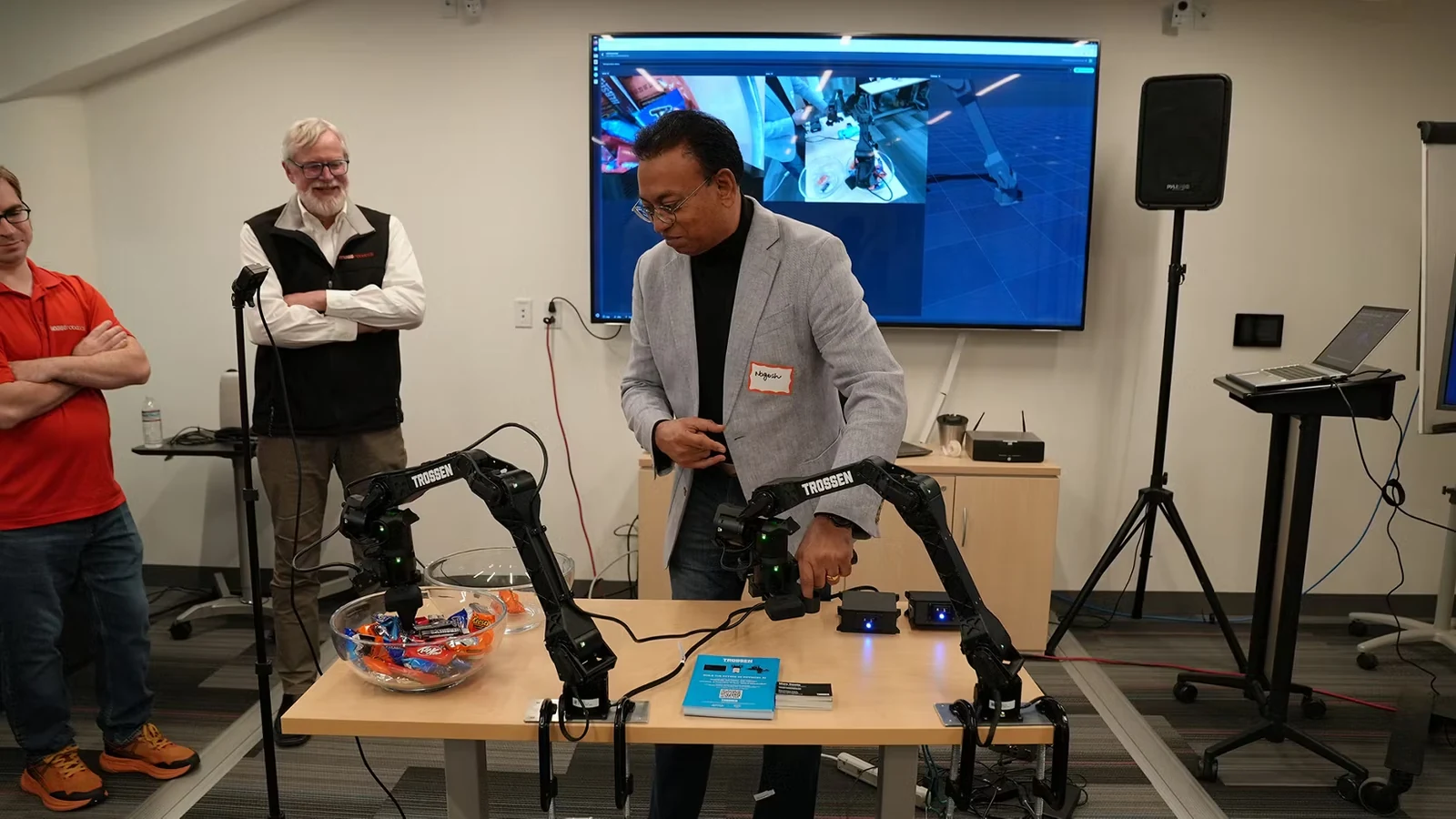
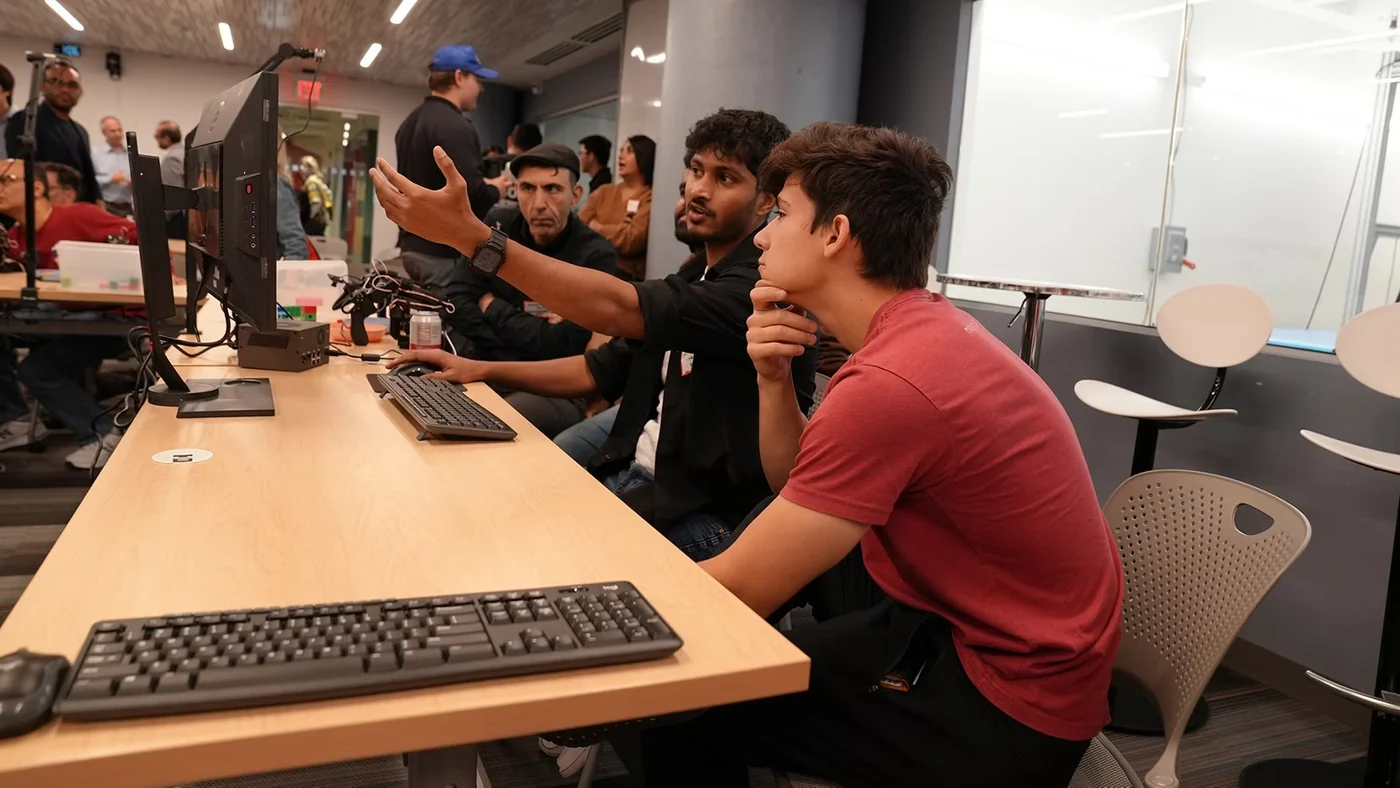
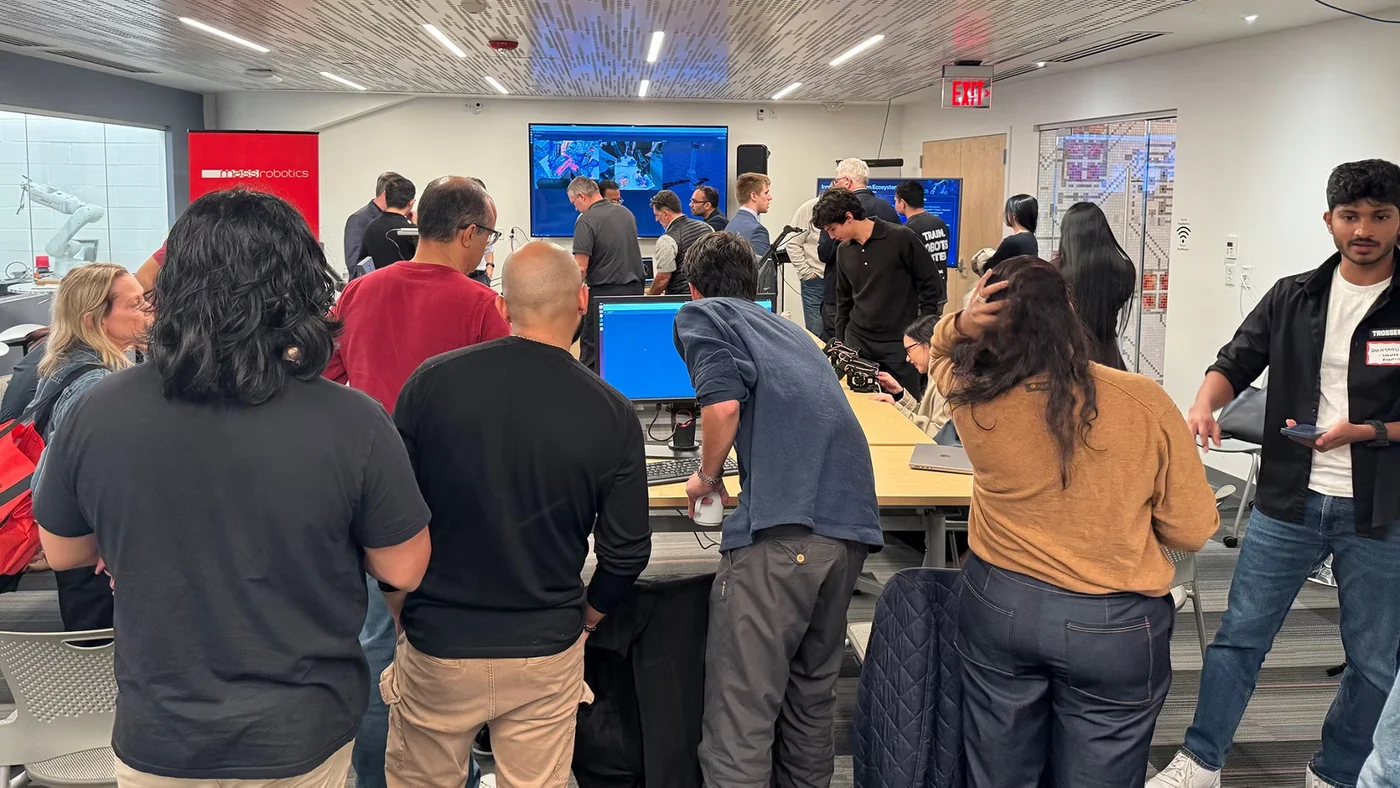
Inside Boston’s MassRobotics, founders, engineers, and developers recently gathered for a specialized workshop addressing a critical hurdle for modern technology companies: how to scale intelligent robots from promising prototypes into robust, real-world robotic deployments. The venue buzzed with the shared energy of a robotics lab, a startup accelerator, and a major regional innovation hub.
The event brought together professionals working across a diverse range of disciplines, including autonomous systems, industrial automation, healthcare robotics, computer vision, and edge artificial intelligence. At the core of the dialogue was the fundamental question of how to successfully transition cutting-edge concepts into reliable, operational physical systems.
Core Technologies for Physical AI
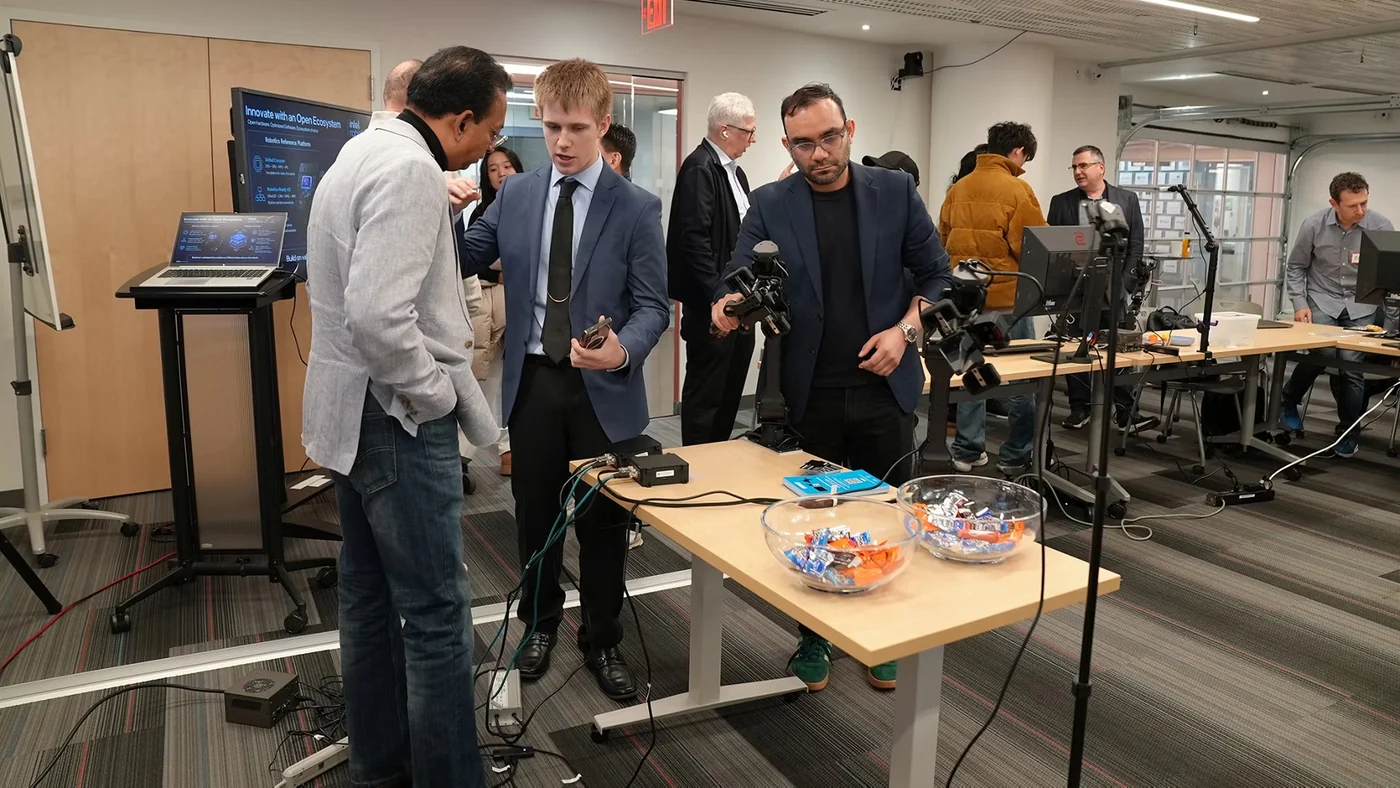
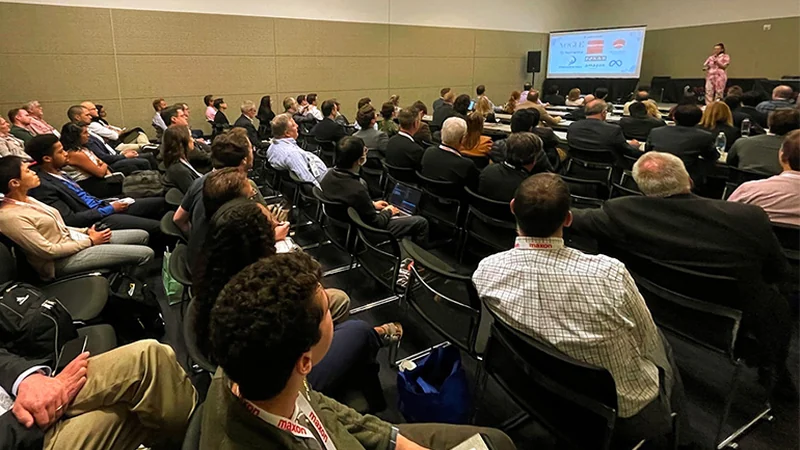
Nagesh Puppala, general manager of robotics at Intel, joined the MassRobotics community to examine the specific technologies required to make that operational transition possible. Discussions dived deep into technical pillars such as real-time AI inference, advanced sensor processing, workload consolidation, power efficiency, software portability, and edge compute capabilities.
Intel’s overarching strategy centers on providing robotics developers with an open and scalable foundation for Physical AI. By bringing AI inference and real-time control together while actively supporting an open ecosystem, the initiative aims to help developers build robotic systems capable of perceiving, reasoning, and acting within real-world environments.
Ecosystem Collaboration and Industry Scale
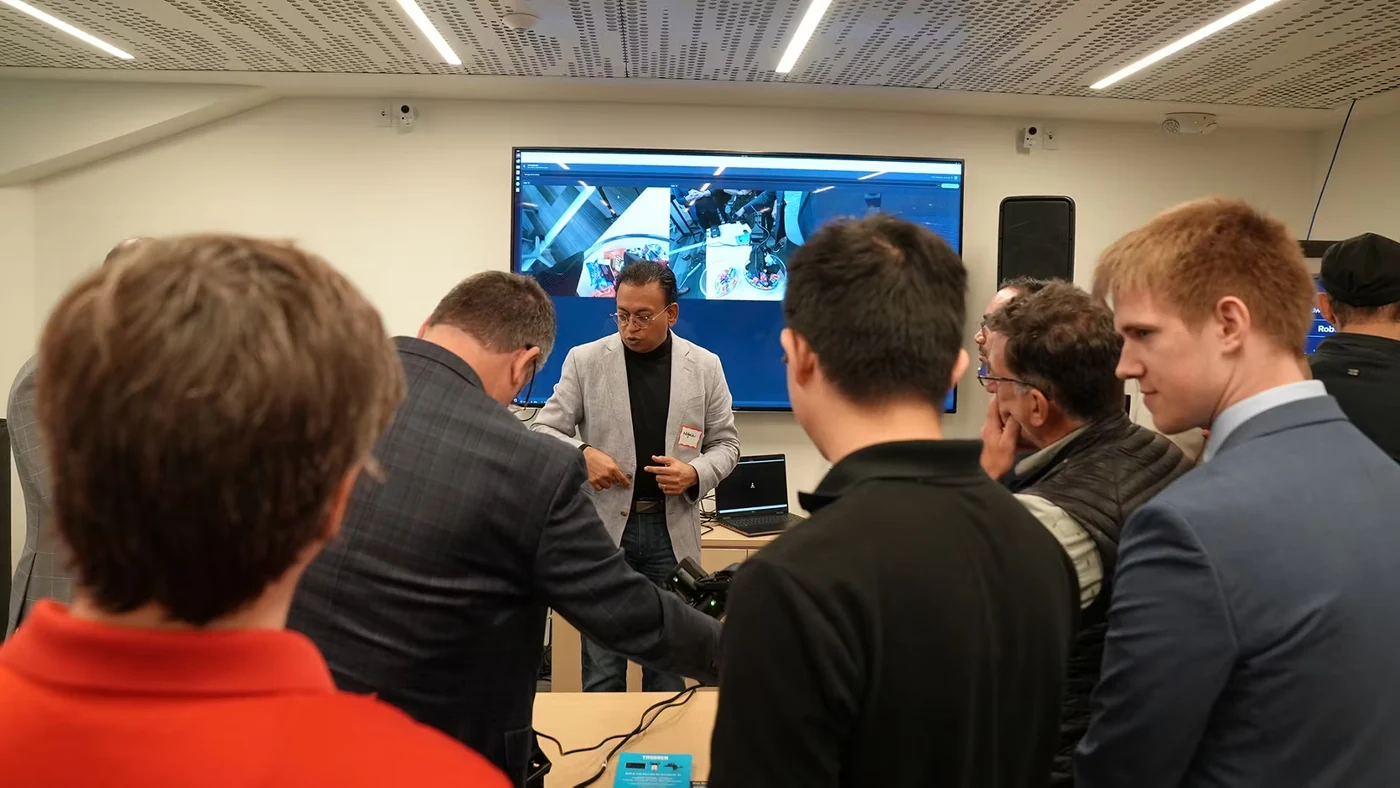
Beyond the technical architecture, the gathering served as a collaborative focal point for entrepreneurs asking difficult questions, engineers trading innovative ideas, and startups actively building the next generation of automation tools. According to event organizers, the central industry question is no longer whether Physical AI can function successfully, but rather how rapidly and effectively the ecosystem can scale it.
Participants interested in diving deeper into these developer resources can explore further documentation and tools provided via the Intel Newsroom, or learn more about current initiatives by visiting the dedicated hub at intel.com/robotics.
Ongoing Developer Engagement and Workshops
The Boston gathering is part of a broader series of collaborative industry events designed to connect chipmakers, software architects, and robotics startups. Developers looking to engage with technical experts and hands-on tooling can find additional learning opportunities through scheduled regional developer sessions.
Those interested in upcoming training opportunities can review event schedules and register for the next regional session through the Physical AI & Robotics Developer Workshop with Intel · Luma, or explore additional software resources like the Robotics AI Suite.
Sources
- Intel NewsroomPostcard from MassRobotics: Where Physical AI Meets Startup Speed
Continue chronologically
Related stories
MassRobotics opens Healthcare Robotics Catalyst applications
MassRobotics is accepting applications for its sixth healthcare robotics catalyst cohort, a four-month program running from February to June 2027.
Intel Showcases Edge and Physical AI at Web Summit 2026
Intel highlights open edge and physical AI infrastructure at Web Summit 2026, demonstrating real-world production systems across industries.

Intel and SAP Demonstrate Physical AI in Autonomous Warehouse
Intel and SAP have collaborated on a proof of concept demonstrating how Physical AI can bridge enterprise IT systems with autonomous warehouse robots.

Intel Edge AI Transforms Football Crowd Data Into Revenue
Discover how Intel edge AI and WaitTime software are transforming football crowd data into shorter stadium lines and increased venue revenue.