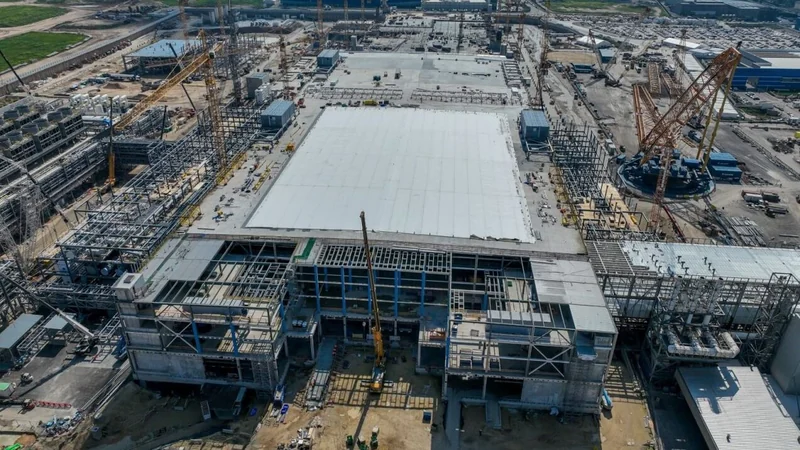
Intel Secures FCC Waiver Over Foreign Robot Ban Uncertainty
Intel has secured a one-year waiver from the Federal Communications Commission to continue utilizing foreign-made robotic vehicles within its domestic semiconductor manufacturing facilities.
 Radwan AbdulhadiEditor and technology writer
Intel Seeks Clarity and Relief
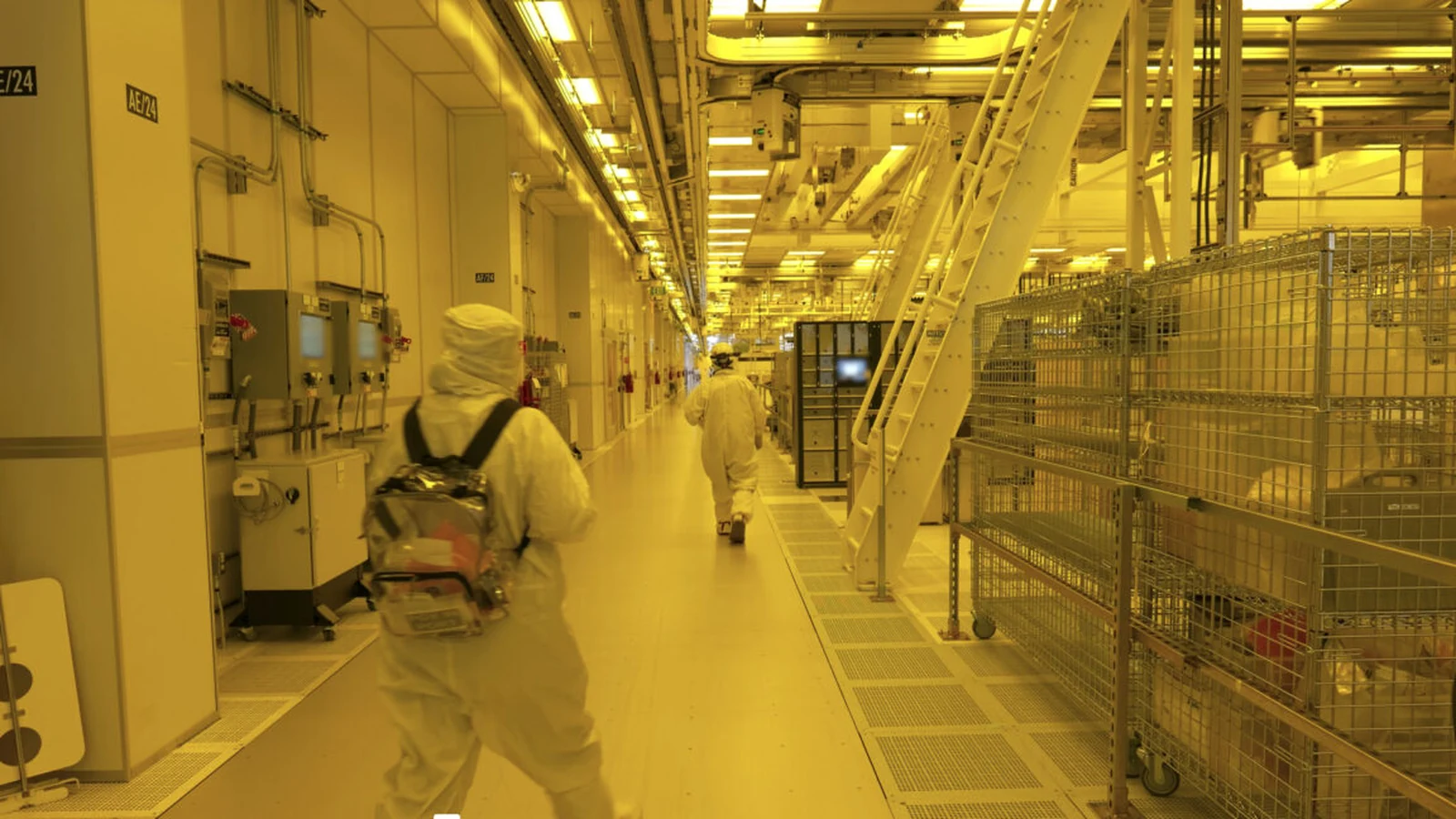
US chip manufacturer Intel recently requested and received a waiver out of an abundance of caution due to uncertainty surrounding a US government ban on foreign-made robots. The tech company wanted to ensure that it could continue operating certain robotic vehicles within its domestic chip fabrication facilities without running afoul of regulatory restrictions.
The confusion regarding the restrictions was highlighted when the <a href="https://docs.fcc.gov/public/attachments/DA-26-1146A1.pdf">FCC published its order</a> on October 22. The decision granted Intel’s waiver request, allowing the company to continue using the foreign-made robots in its US semiconductor manufacturing facilities for a period of one year.
Details on the Robotic Vehicles
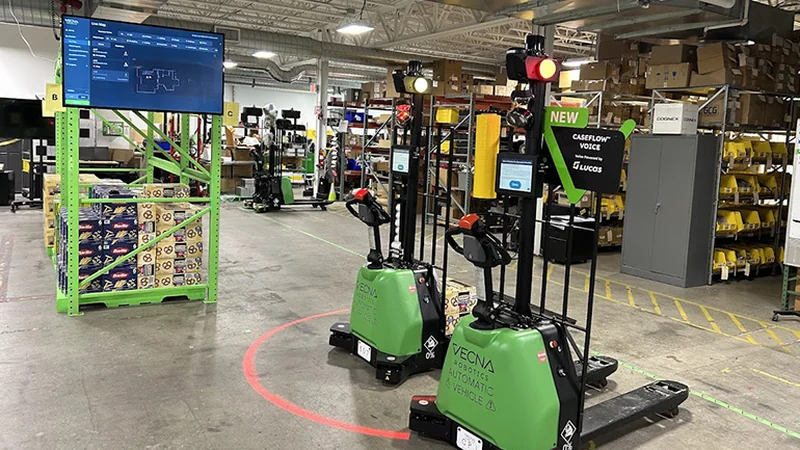
The machinery covered by the waiver consists of <a href="https://www.intel.com/content/www/us/en/learn/types-of-robots.html">automated guided vehicles</a> that operate along tracks or predefined paths while frequently requiring operator oversight. These units are utilized to transport materials and items across warehouse floors and factory interiors.
According to <a href="https://www.bloomberg.com/news/articles/2026-10-19/intel-asks-fcc-for-upgrades-to-banned-foreign-robot-technology">Bloomberg News</a>, such robotic vehicles are typically manufactured by Japanese companies like Daifuku Co. and Murata Machinery. However, the precise models deployed by Intel were only detailed in a confidential appendix accompanying the company's formal request.
Scope of the Federal Restrictions
The broader regulatory framework stems from <a href="https://www.fcc.gov/document/fcc-adds-foreign-produced-power-inverters-and-robots-covered-list-0">agency rules</a> that primarily target new models of mobile machinery, such as robot vacuums and <a href="https://arstechnica.com/ai/2026/08/world-humanoid-robot-games-show-runners-breaking-records-bursting-into-flames/">humanoid robots</a>. While the rules continue to permit the importation of previously approved devices, they appear to restrict major modifications to those already authorized.
Intel stated in its filing that it was unclear whether its automated guided vehicles even met the definition of robots covered under the FCC ban, but pursued the administrative relief purely as a precaution. In addition to deployment rights, the company received approval to perform necessary hardware, software, and firmware updates required for ongoing operation and maintenance.
Critical Role in Domestic Chip Production
Intel emphasized that the vehicles are critical to its domestic semiconductor manufacturing operations. The company argued that routine maintenance and upkeep are essential to preventing any disruption in chip manufacturing, noting further that there are currently no US-made alternatives capable of meeting its technical requirements.
The swift turnaround by regulators—with approval arriving within a week of Intel's October 16 filing—aligns with the company's central position in the federal administration's reshoring initiatives. The strategic importance of the chipmaker is underscored by the US government holding an <a href="https://www.intc.com/news-events/press-releases/detail/1748/intel-and-trump-administration-reach-historic-agreement-to">$8.9 billion equity stake</a> in Intel.
Broader Industry Impacts
Outside of Intel's specific fabs, the wider technology sector continues to navigate the <a href="https://arstechnica.com/ai/2026/07/who-wins-and-who-loses-after-us-bans-foreign-robots/">consequences of the FCC ban on foreign-made robots</a>. Because China remains a leading global supplier of robotic components and automated systems, various market participants have had to shift their operational strategies.
Some market observers have cautioned that regulatory restrictions intended to accelerate local manufacturing could inadvertently burden domestic industries. Market intelligence projections suggest that broad bans on foreign machinery could significantly alter deployment expectations for advanced robotics across US commercial sectors in the coming years.
Sources
- Ars TechnicaIntel gets waiver after worries fuzzy US ban on foreign-made robots may hit fabs
Continue chronologically

Related stories
Intel Shifts Production to Server CPUs Amid AI Demand
Intel reallocates manufacturing capacity from consumer to server CPUs to address unprecedented AI-driven demand and ongoing supply constraints.
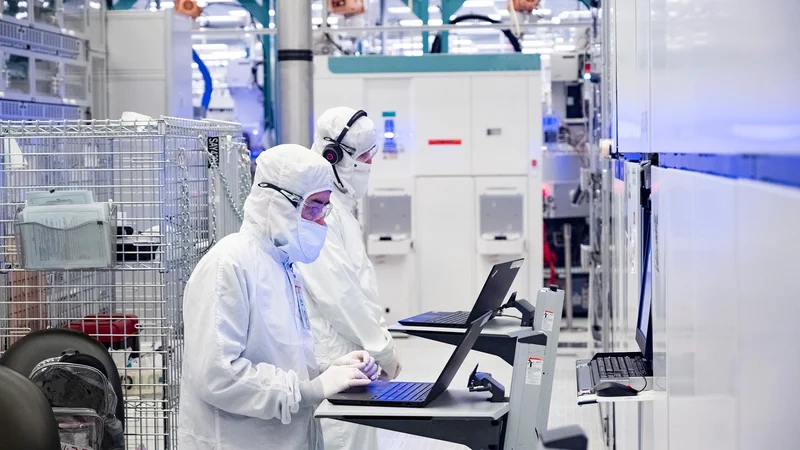
Intel Fab 28 Shutdown to Cost $600M Following Explosion
Intel expects a $600 million financial impact and severe server chip disruptions following a deadly facility explosion and two-week shutdown.

Intel Installs Tools at Fab 62 and Updates Ohio Chip Fab
Intel has started installing production tools at its Arizona Fab 62 facility, provided a progress update on Ohio One, and discussed its U.S. operations.
Two Dead in Explosion at Intel's Chip Plant in Israel
An explosion at Intel's Kiryat Gat chip plant in southern Israel leaves two workers dead and another seriously injured, with police suspecting a gas cylinder malfunction.