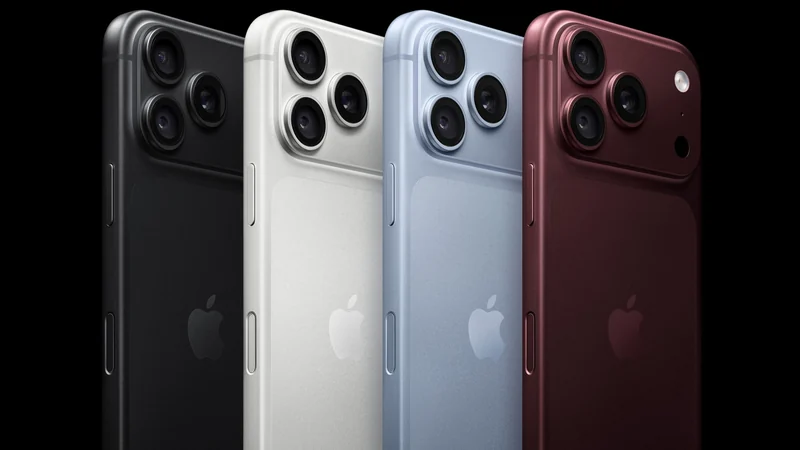
Apple iPhone Duo: Popular Features Missing from the Foldable
Apple's first foldable device brings an innovative folding display and slick software, but opting for the new form factor means parting ways with several traditional iPhone capabilities.
 Radwan AbdulhadiEditor and technology writer
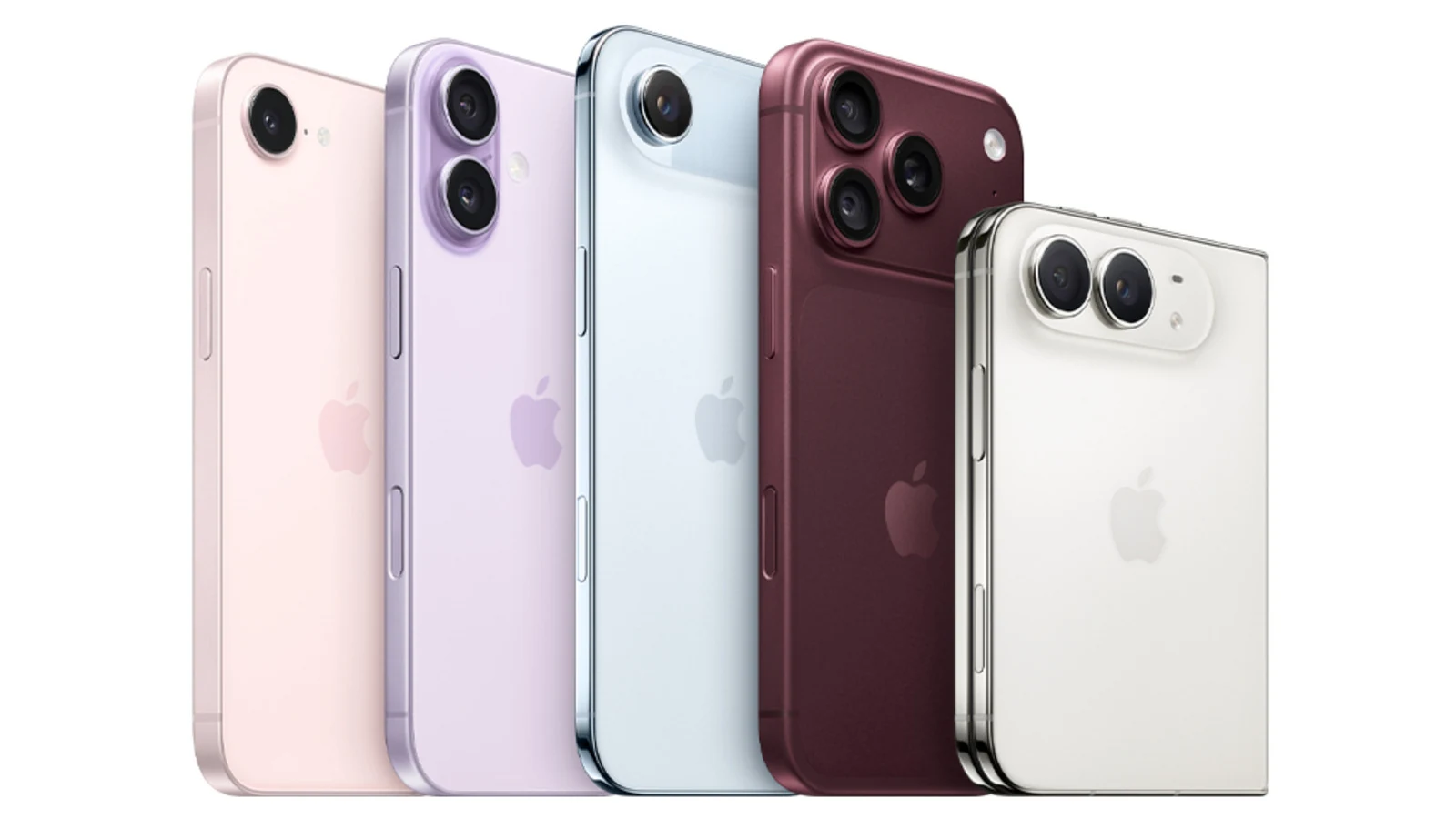
Understanding the Tradeoffs of Apple's New Foldable
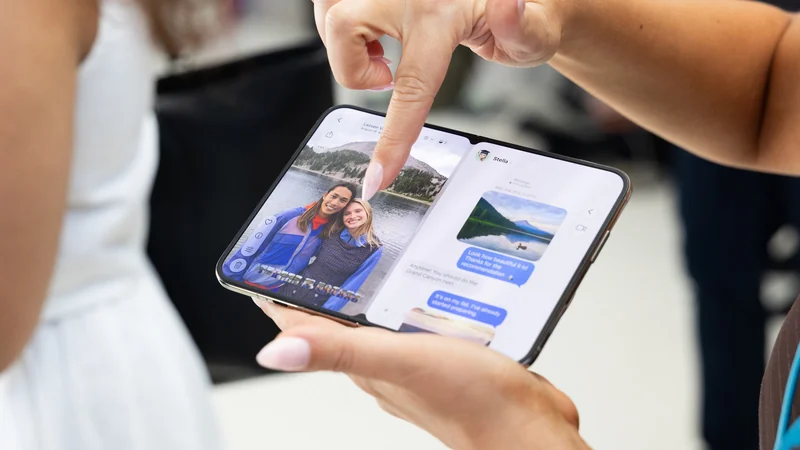
When switching to a foldable device, users often have to accept certain compromises. Smartphone users eyeing the new iPhone Duo may be captivated by its matte-finish inner folding display and software redesigned around that experience, widely considered by observers as the most exciting Apple device in a decade.
However, Apple's first foldable phone is not without its limitations. While the Duo is less durable than the traditional iPhone 18 Pro released alongside it, that is far from the only area where it falls short. For some consumers, gaining a folding display outweighs the losses, but other omissions may serve as absolute dealbreakers depending on individual user needs.
Absence of FaceID and the Camera Control Button
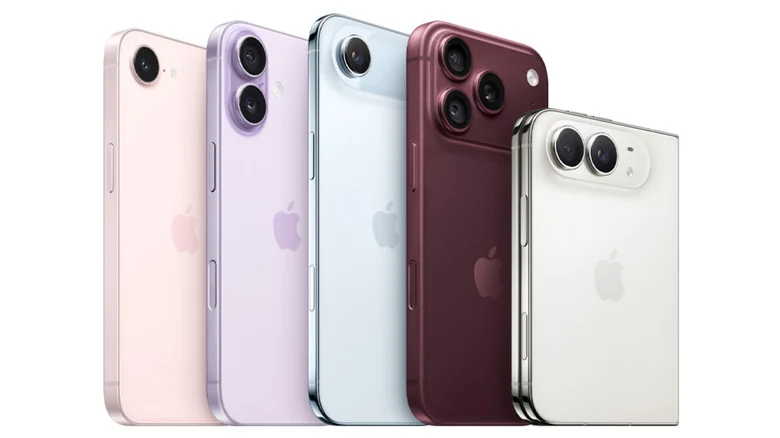
The most significant security-related change when moving from a traditional iPhone to the Duo is the total lack of a FaceID array for facial recognition. Instead, users must authenticate strictly with fingerprints or passwords. Losing FaceID can feel jarring for anyone accustomed to quick, hands-free authentication whenever the face is positioned in front of the screen.
To handle biometrics, Apple integrated a TouchID sensor directly into the power button, adopting a physical placement similar to hardware seen on foldable offerings from Samsung and other vendors. Additionally, the Duo drops the side-rail Camera Control button found on slab-shaped counterparts. While some users appreciated the capacitive control and two-stage shutter, others found it frustrating to operate in daily practice.
Camera Capabilities and Professional Omissions
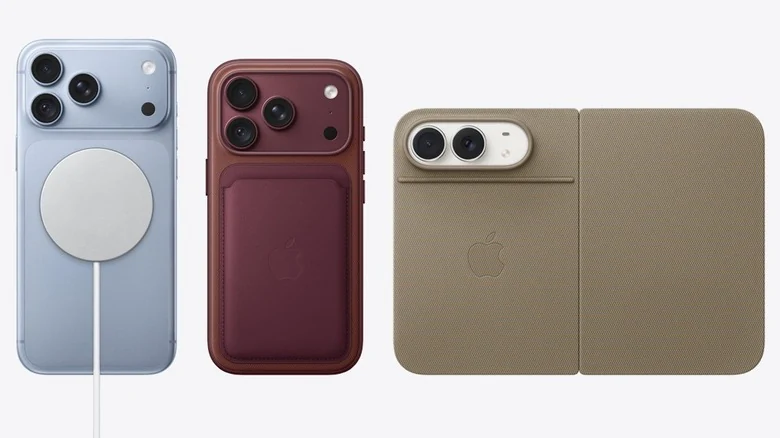
Despite housing multiple camera systems, the iPhone Duo's photography suite leaves considerable room for improvement compared to the slab-shaped lineup. The device features a main rear pair consisting of 48-megapixel wide and ultrawide modules, but completely omits the periscope telephoto lens found on standard models.
Furthermore, advanced hardware additions such as the innovative mechanical aperture and the LiDAR scanner for improved nighttime photography are entirely absent from the Duo. On the software front, professional features like ProRAW support, spatial photo and video recording, and advanced Pro Controls for adjusting shutter speed and aperture are missing.
Under-Display FaceTime Camera Tradeoffs
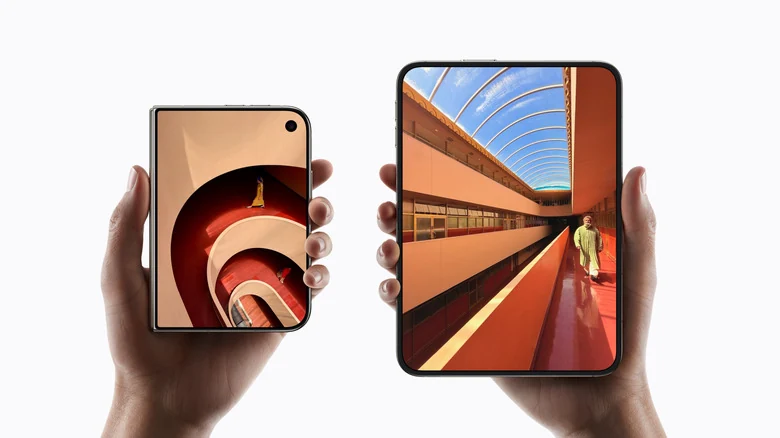
The inner folding display introduces an under-display camera that Apple is marketing specifically as a FaceTime camera rather than a traditional selfie shooter. Apple has refrained from disclosing the megapixel count for this hidden sensor, echoing past industry trends seen with early under-display implementations.
While under-display technology eliminates distracting hole-punch cutouts for an uninterrupted visual experience, it historically compromises picture quality because layers of pixels sit directly between the subject and the lens. This limitation explains why Apple deliberately labels the component as a FaceTime camera rather than promoting it for high-resolution selfies.

Deciding Between the Duo and Traditional Models
Apple maintains a diverse iPhone product lineup, meaning consumers do not need to buy the Duo if alternative options better align with their everyday routines. Casual users who capture images primarily for personal use and social media may barely notice the absence of a periscope zoom or extra selfie resolution.
Conversely, avid photographers, VR headset owners reliant on spatial capture, and dedicated FaceID users should carefully evaluate whether the high price tag is justified before purchasing the device, ensuring they understand the various feature trade-offs involved.
Sources
- EngadgetThe popular Apple features you won't be getting with the iPhone Duo
Continue chronologically
Related entity coverage
Related stories
iPhone 18 Pro Launches With Variable Aperture and Upgrades
Discover what to try first on the new iPhone 18 Pro, featuring a 48-megapixel variable aperture camera, smaller Dynamic Island, and faster charging capabilities.
How Apple’s iPhone Duo Software Redefines Foldable iOS
The new iPhone Duo introduces significant changes to iOS, featuring iPad-inspired multitasking, custom camera modes, and a unique foldable interface.
iPhone Duo vs. iPad Mini: Which Apple Device Is Right For You?
Compare Apple's foldable iPhone Duo and the iPad Mini to determine which device fits your tablet, multitasking, and workflow needs.
iPhone 18 Pro vs Pro Max: Display and Battery Differences
Compare the iPhone 18 Pro and iPhone 18 Pro Max displays, battery life capabilities, charging speeds, and shared core hardware specs.