iPhone Duo Software Restricts Display Unlike Galaxy Z Fold 8
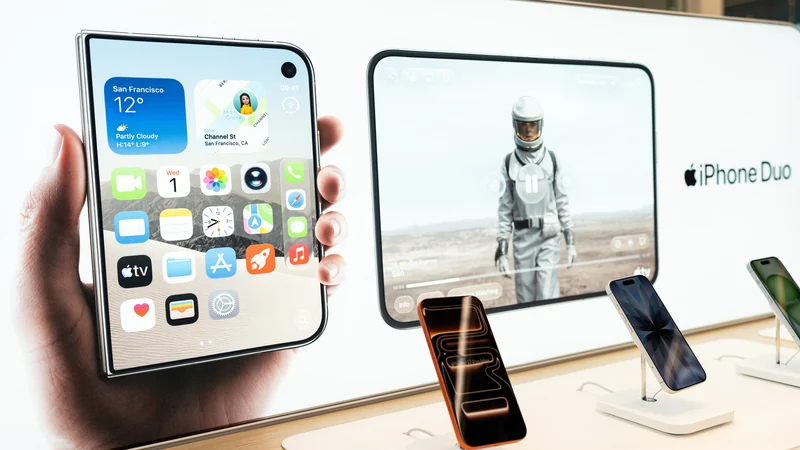
Apple’s entry into the wide foldable category is encountering early user and reviewer criticism as software limitations hinder its small display.
 Radwan AbdulhadiEditor and technology writer
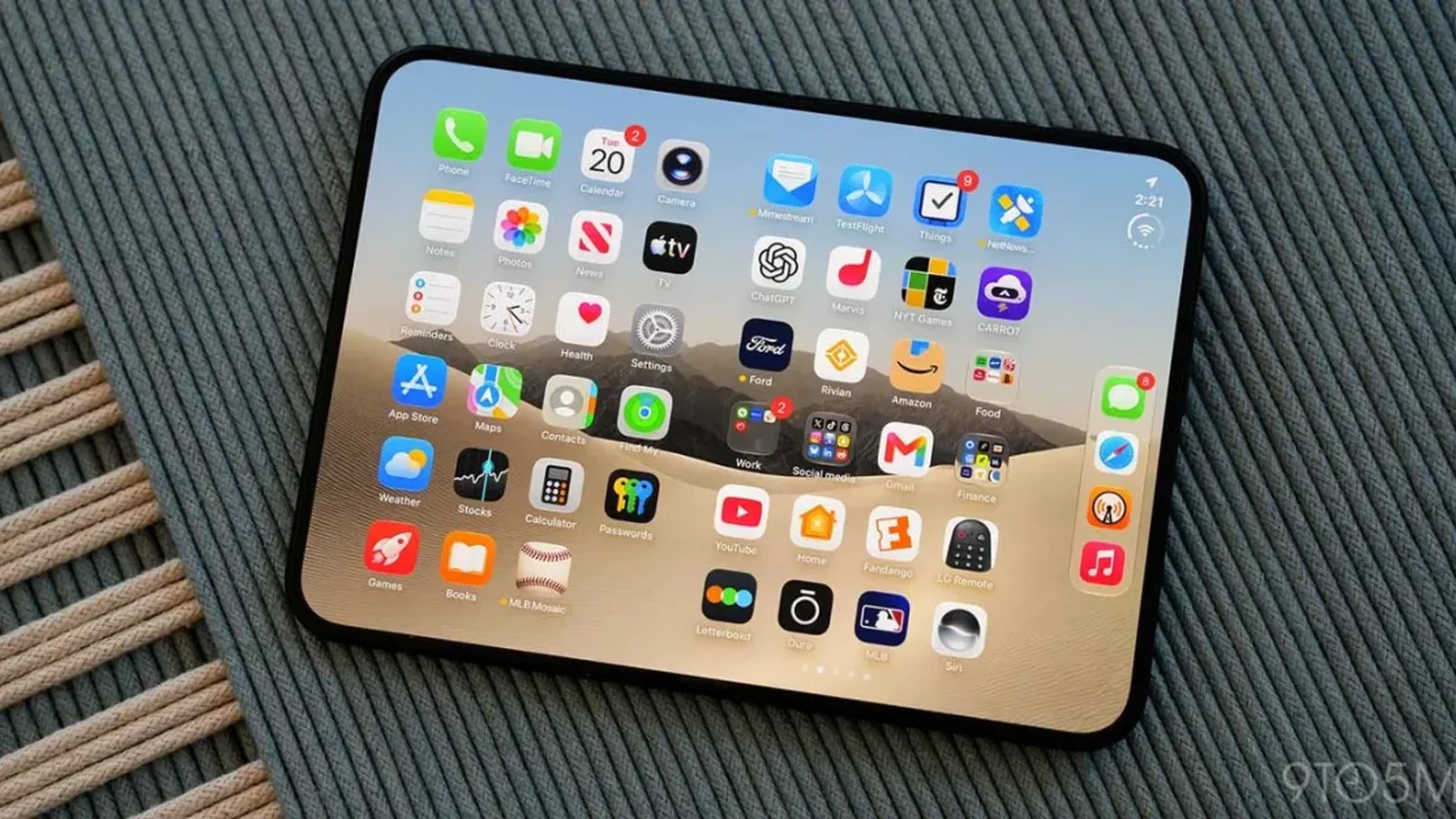
Early Impressions Highlight Software Limitations on Apple's Foldable
Apple’s take on a wide foldable isn’t being received without some criticism as it makes its way into the hands of users. While the physical hardware of the newly launched device shows promise, reporting indicates that the biggest limitation might not even be the hardware itself. Instead, users and reviewers are pointing to software constraints that hinder the overall experience.
As the foldable smartphone market has matured, competing platforms have undergone years of refinement. Samsung has previously struggled with the implementation of Android on its foldables, which is the natural way of things as the form factor has progressed through the years. However, as the Galaxy Z Fold line has been refined, Google and Samsung have successfully improved Android to be much friendlier on big screens and alternative display configurations.
By contrast, this represents Apple’s first major try in the segment. Even on hardware that looks quite promising, early feedback suggests that iOS leaves something to be desired when operating on the form factor of the newly introduced device.
Usability and Ergonomics on the Outer Screen
This evaluation stems from a series of second impressions published shortly after release. One short review via The Verge’s Allison Johnson notes a couple of small complaints regarding how the hardware handles daily tasks. Specifically, when compared directly to the Samsung Galaxy Z Fold 8, the Apple foldable reportedly feels noticeably harder to use with one hand.
Because of the competing Samsung device's taller and narrower physical presence, its cover screen is much more easily navigable for standard thumb operations. That ergonomic advantage turns out to be a big deal for those consumers who gravitated towards Samsung's ecosystem specifically for its unique outer screen design.
Software Dock and Wasted Display Space
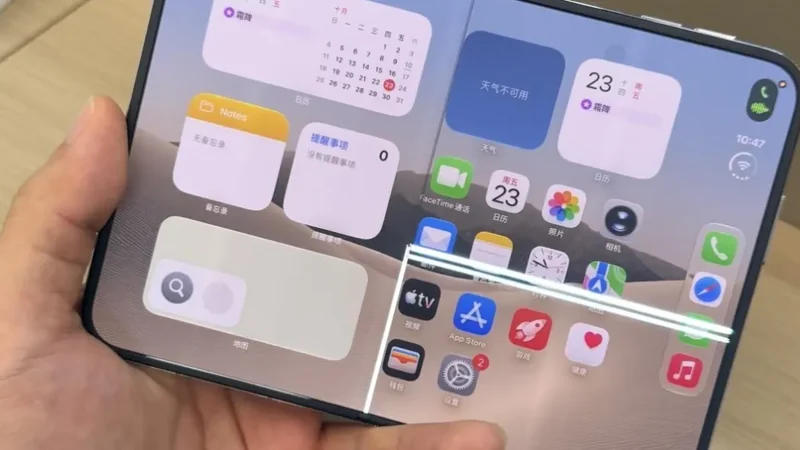
Beyond basic one-handed ergonomics, the software implementation introduces specific layout constraints. The device in question restricts its small 5.4-inch display by forcing the inclusion of a sidebar. This interface element was ostensibly intended to make navigation easier for the end user.
However, because the dock sits permanently on the right side of the screen, there is a substantial chunk of the physical display that is essentially left unused during normal operation. Another post circulating on social media highlights the severe visual difference between the two competing hardware approaches.
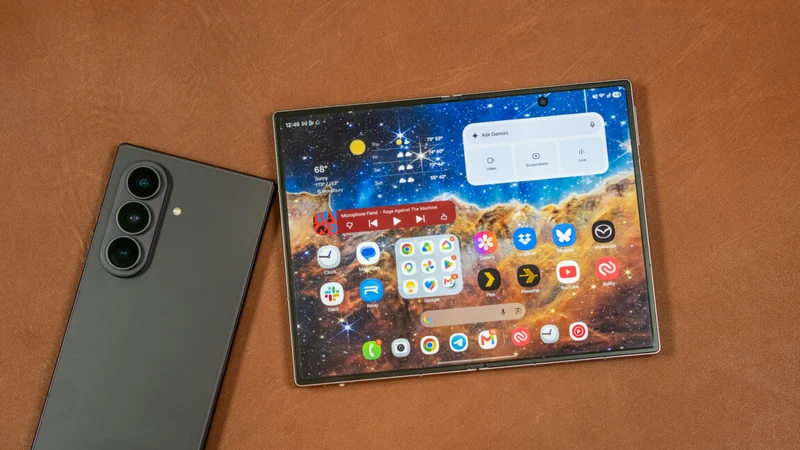
In video demonstrations covering the interface, the Samsung competitor is often set to use a traditional navigation bar instead of modern full-screen gestures, which makes the interface difference a little less blatant. Even so, for users who rely strictly on navigation gestures on the Samsung Galaxy Z Fold 8, there is very little wasted screen space overall.
Differing Philosophies in Space Management
The core engineering challenge lies in the different design philosophies adopted by the respective manufacturers. What Apple is trying to do with its hardware is to approach a small display layout with an intentional space-saving solution. By shrinking the active space allowed for standard applications, the operating system attempts to stretch media elements so that they appear taller, mimicking the layout found on a traditional slab smartphone.
Conversely, the Samsung device proves that leaving the display space completely free for main content works quite well for day-to-day productivity and media consumption. Rather than imposing artificial constraints via a persistent sidebar, the competing interface maximizes the usable canvas.
Market Availability and Current Status
As these software debates take shape among early adopters and tech analysts, retail conditions for both devices are also drawing attention. The newly released Apple foldable is already available on the market, but its initial walk-in availability remains strictly limited at retail stores.
Meanwhile, competing hardware lines are performing strongly. The Samsung Galaxy Z Fold 8 is continuing to prove a commercial success for the South Korean manufacturer, reinforcing its established position in the foldable segment while Apple navigates its first-generation software hurdles.
Sources
- 9to5GoogleiPhone Duo’s software restricts an already-small display; Galaxy Z Fold 8 doesn’t
Continue chronologically

Related entity coverage
Related stories
Samsung Confirms iPhone Duo Boosts Galaxy Z8 Sales
Samsung data reveals surging European sales and search volumes for Galaxy Z8 foldables following the official unveiling of Apple's folding phone.
Samsung Galaxy Z Fold 8 Sees Surge in Demand After iPhone Duo Launch
Samsung reports a 16% increase in Galaxy Z Fold 8 demand and 300% spike in search interest following Apple's iPhone Duo release, boosting foldable market visibility.
Finding the Android Equivalent to the New iPhone Duo
Explore how the iPhone Duo compares to major Android foldables from Samsung, Google, and Motorola in display size, cameras, durability, and price.
iPhone Duo vs Pixel 11 Pro Fold: Foldable Flagship Comparison
Compare Apple's iPhone Duo and the Google Pixel 11 Pro Fold across screens, cameras, design, and performance to see how these foldables differ.