
How to Choose the Right Android Phone for Mobile Gaming
Selecting the perfect device for mobile gaming requires looking past flashy marketing to prioritize performance-critical components. By focusing on five key areas, users can find a device that handles intensive graphics and high-performance requirements without the need for an explicit 'gaming' label.
 Radwan AbdulhadiEditor and technology writer
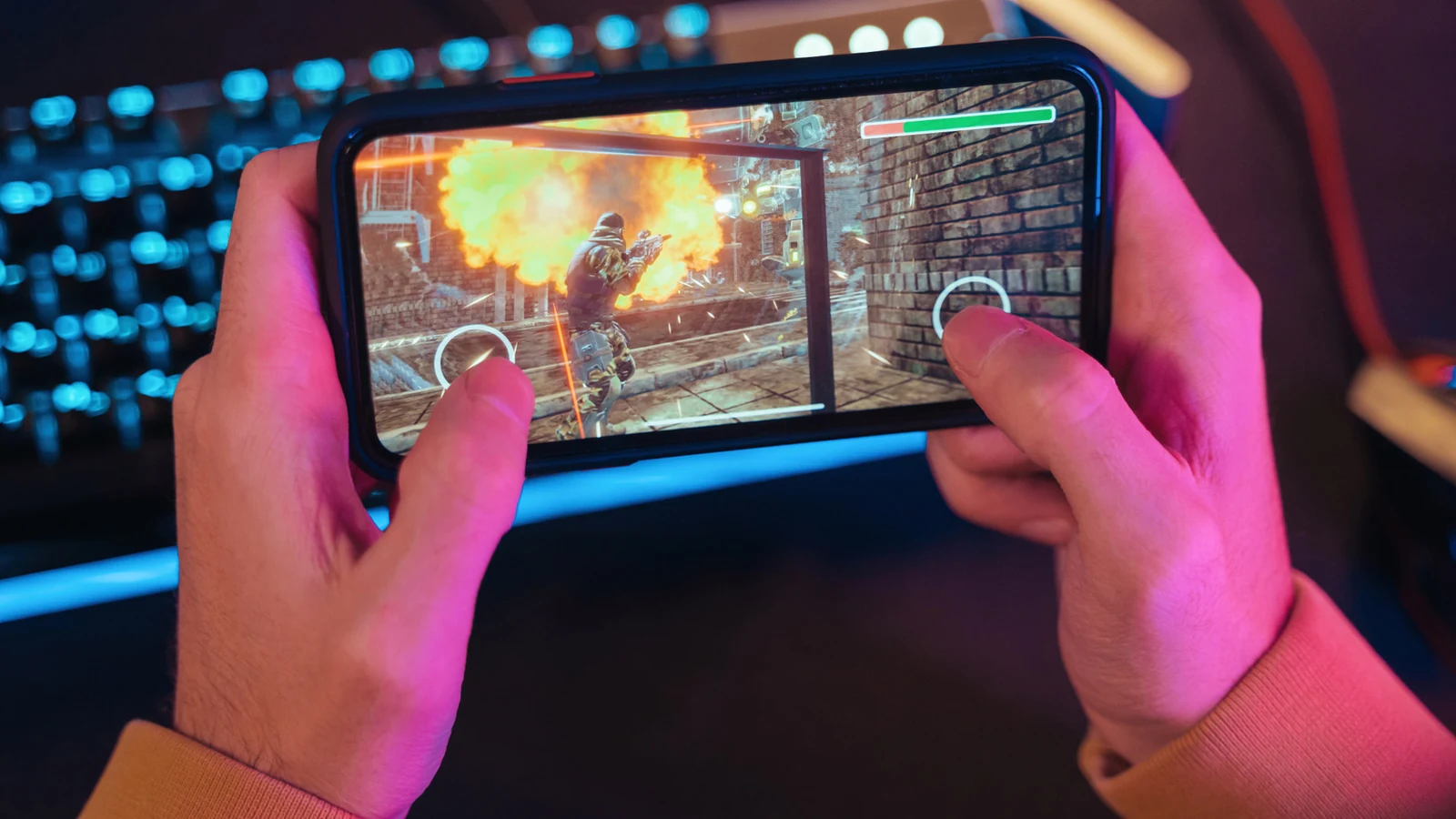
Understanding the Hardware Foundation
Shopping for a new Android phone can be confusing, especially when many devices are marketed with ambiguous claims of 'incredible specs.' According to insights from Engadget, you do not need a device explicitly branded as a gaming phone to enjoy an excellent experience. The key is to bypass marketing jargon and focus on the essential hardware that dictates how well a smartphone handles mobile gaming.
Processing Power and Memory
The System-on-a-Chip (SOC), or processor, serves as the brain of any modern Android phone. It integrates the CPU and GPU, making it the primary factor in rendering graphics, maintaining stable frame rates, and reducing lag. Experts recommend looking beyond brand names and evaluating the specific chip, with the Snapdragon 8 Elite and MediaTek’s Dimensity series standing out as top-tier choices across various market segments, including premium flagship and budget Android devices.
Memory management is equally vital. Adequate RAM is essential for keeping game assets, textures, and maps ready for immediate access, preventing the system from needing to reload data from storage—a process that often causes stuttering. While 8GB is a functional baseline, 12GB or 16GB is considered the ideal standard for heavy gaming.
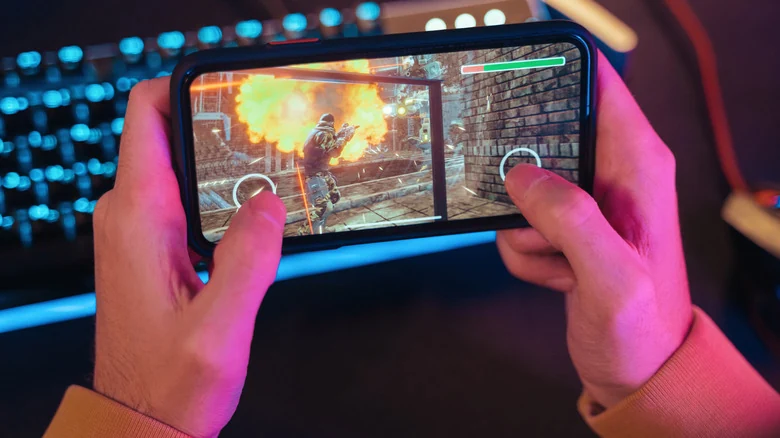
Sustaining Performance Through Cooling
Thermal management is the unsung hero of sustained gaming performance. Because high-performance chips generate significant heat during intense sessions, a phone must have an effective cooling strategy to prevent performance throttling. Without adequate thermal dissipation, the processor will automatically slow down to protect the hardware. Advanced solutions, such as vapor chambers or dedicated internal fans, are the best indicators of a phone built to handle long, high-intensity gaming sessions without a drop in frame rates.
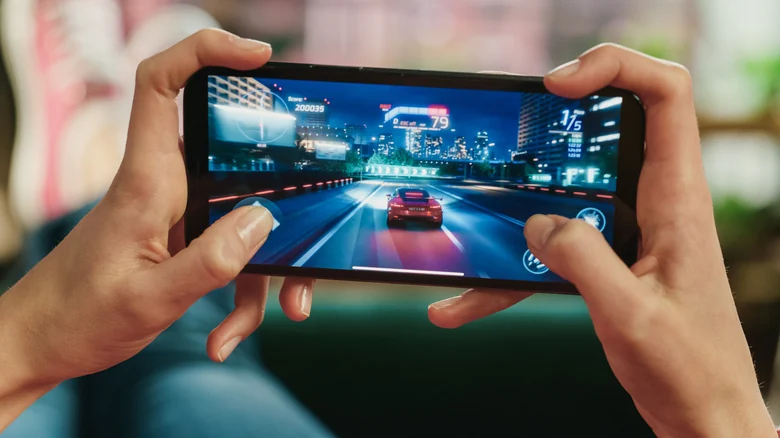
Display Quality and Input Responsiveness
A device's display determines the fluidity of the gaming experience. A 120Hz refresh rate is now standard for a smooth visual experience, though some devices push this further to 144Hz or 165Hz. Furthermore, the touch sampling rate plays a critical role in competitive titles where millisecond responsiveness matters. A baseline of 240Hz is recommended, though high-end dedicated gaming handsets can reach up to 960Hz.
Power Management and Battery Longevity
Battery capacity remains the ultimate limiting factor for mobile gaming endurance. While a 5,000 mAh battery is a common baseline for most smartphones, dedicated gaming models are pushing boundaries. Through innovations like silicon-carbon battery tech, manufacturers are now integrating batteries as large as 7,000 mAh to 10,000 mAh into form factors that remain manageable and pocketable.
Sources
- EngadgetHere's what you should look for when buying an Android phone for gaming