
Google Launches Googlebook Laptops for Android Users
Google aims to mirror the hardware integration enjoyed by Apple users with its new Googlebook laptop platform. These devices feature AI-driven tools and deep Android synchronization.
 Radwan AbdulhadiEditor and technology writer
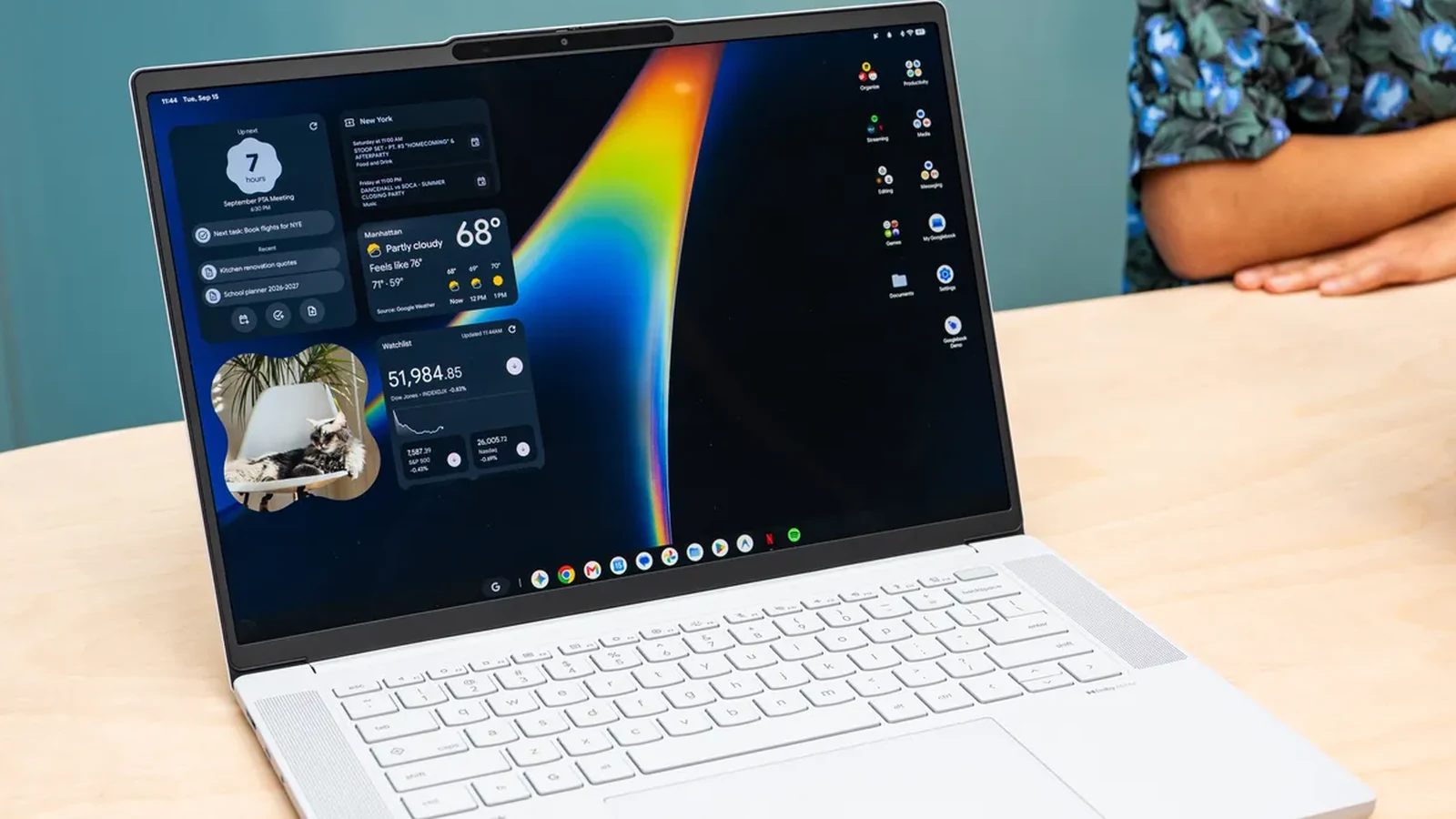
Bridging the Gap Between Mobile and Desktop
For years, the seamless integration between the iPhone and macOS desktop has served as a benchmark for consumer hardware synergy. While Android users have enjoyed a robust mobile experience, native operating system-level connectivity between an Android phone and a laptop has largely been absent. Google is now moving to address this disparity with the launch of Googlebooks, a new class of laptop that was first teased in May.
Sameer Samat, president of the Android ecosystem, noted that while laptops have been a staple of computing for decades, their design often predates the mobile revolution. The Googlebook initiative represents a multi-year effort to create a laptop specifically built to work in harmony with the Android community.
Hardware Standards and Initial Offerings
Google has established a strict set of standards for manufacturers producing these devices. To qualify as a Googlebook, a laptop must utilize premium materials such as aluminum, magnesium, or carbon fiber to ensure portability. Furthermore, the machines must include at least 16 GB of RAM, a touchscreen display, backlit keyboards, studio-quality microphones, and deliver over 14 hours of battery life. A signature feature of every unit is the 'Glowbar,' an external LED strip that provides visual feedback for tasks like interacting with Gemini.
Five major manufacturers—HP, Dell, Lenovo, Acer, and Asus—are launching the first wave of these devices today. These laptops are powered by either Qualcomm’s Snapdragon X Elite or Intel’s Core Ultra 3 processors. While most entries are traditional clamshell designs, the Acer model stands out as a 2-in-1 machine. Preorders begin today, with store availability scheduled for October 4 at a starting price of $899.
The Googlebook Operating System Experience
The Googlebook operating system is a distinct platform optimized for both x86 and ARM architectures, blending the mobile-first nature of Android with the foundational elements of ChromeOS. When a user connects their Android phone to a Googlebook, the system automatically synchronizes essential data, including Wi-Fi passwords, messages, contacts, and photos.
Android applications on the platform are categorized into three tiers based on their design: 'Better on the Website,' 'Optimized for Desktop,' and 'Made for Desktop.' The latter two categories ensure that apps like Adobe Photoshop and CapCut utilize the larger screen real estate effectively. To support the gaming community, the platform supports over 20,000 titles from the Play Store and includes a one-year subscription to Nvidia’s GeForce Now for high-end cloud gaming.
AI-Powered Productivity Tools
Google is positioning its AI capabilities as a cornerstone of the Googlebook experience. Central to this is 'Magic Pointer,' which allows users to wiggle their cursor over on-screen elements to trigger contextual suggestions from Gemini. For instance, selecting an email or a meeting invitation can automatically prompt the user to add the event to Google Calendar.
Additionally, the company is introducing 'Rambler,' an AI-driven voice dictation engine. Designed to clean up speech by removing filler words and refining sentence structure, Rambler can be accessed directly through a dedicated Quick Insert key on the keyboard. To support these resource-intensive features, every Googlebook purchase includes a full year of Google AI Pro, which provides users with 5 terabytes of cloud storage.
Sources
- WIREDGot an Android Phone? Google Thinks You’ll Probably Want a Googlebook Laptop