Galaxy S26 Ultra Named Among Best Inventions of 2026
Samsung's flagship smartphone has captured attention and industry recognition for introducing built-in directional privacy control directly into its panel rather than relying on external screen protectors.
 Radwan AbdulhadiEditor and technology writer
Recognition from Time's Best Inventions
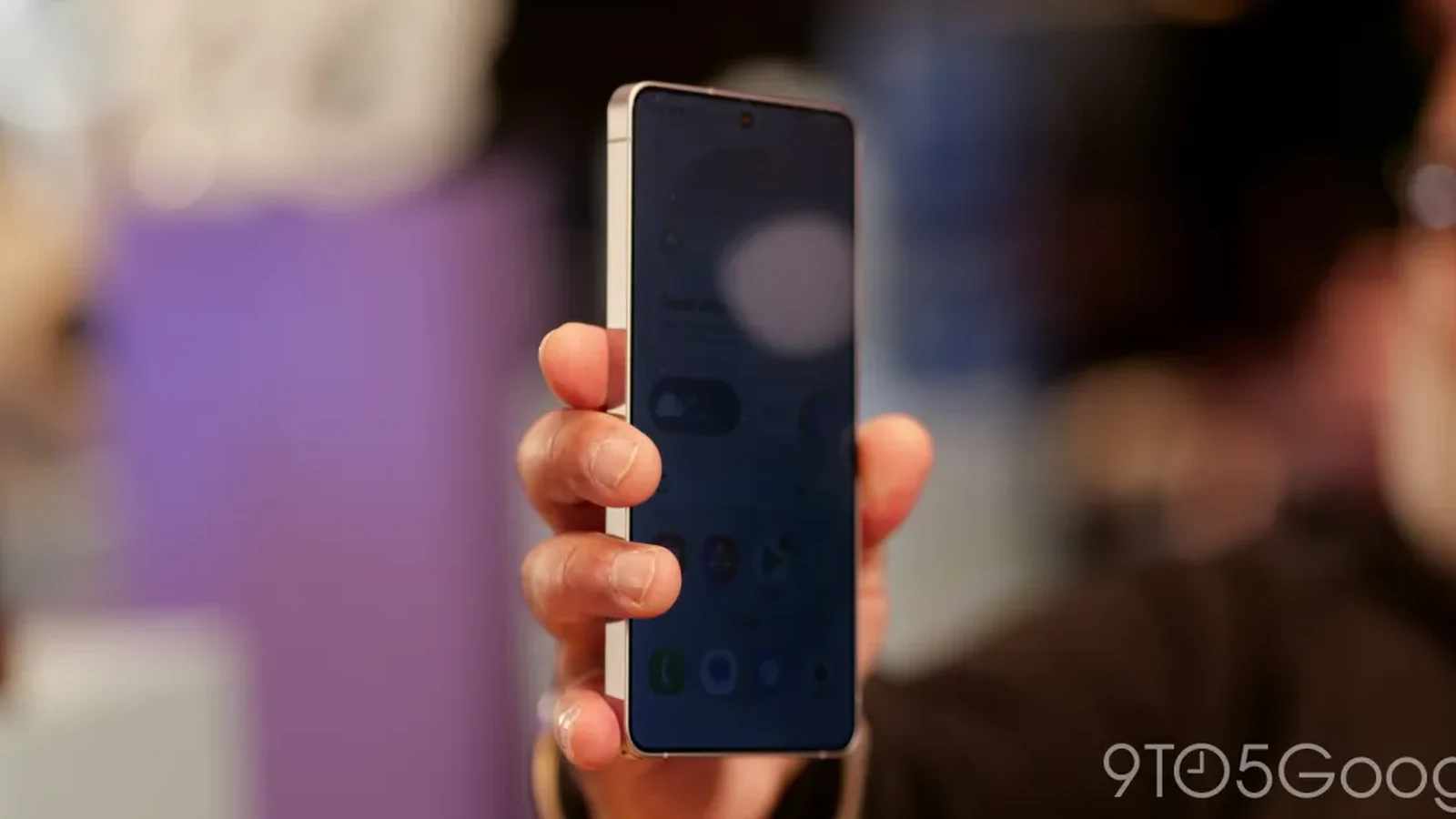
A new 2026 roundup has the Galaxy S26 Ultra included in a list of best inventions for the year, all thanks to what it doesn’t display. Major consumer technology lists routinely highlight breakthrough hardware designs, but the inclusion of Samsung's flagship device focuses squarely on a unique shift in screen functionality. According to Time ‘s “best inventions of 2026” collection, the Galaxy S26 Ultra gets its plaudits for not the phone’s performance necessarily, but the Privacy Display.
The distinction highlights how hardware manufacturers are shifting focus toward everyday user security and practical utility. Instead of chasing conventional specifications alone, manufacturers are finding new ways to solve perennial user complaints. In this case, the focus centers entirely on keeping personal information secure from prying eyes in public spaces without degrading the core viewing experience.
How the Privacy Display Operates
When the South Korean tech conglomerate approached the design for its latest top-tier device, the engineering team split in a slightly different direction. Instead of a display panel treatment with an anti-glare coating, Samsung decided to pack an entirely different feature into the panel itself. The Galaxy S26 Ultra’s Privacy Display allows users to block certain aspects of the screen from nearby onlookers, effectively circumventing the privacy screen protector so many users opt for.
It’s undoubtedly a cool piece of display tech. The listing quotes Samsung’s SVP of Mobile Product Management, who points to its flexible nature. The Galaxy S26 Ultra’s Privacy Display not only blocks side-angle viewing, but it can do so in isolated portions of the screen to block PIN codes or notifications that drop from the top shade in Android.
By isolating the privacy filter to specific windows or UI elements, the phone ensures that everyday viewing remains undisturbed while sensitive text fields or incoming alerts stay hidden from side angles. This granular control represents a significant technical leap over traditional aftermarket films that darken the entire glass uniformly.
Drawbacks and Real-World Limitations
Despite the heavy praise from publication roundups and industry analysts, the hardware feature is not completely without flaws. It has some drawbacks, though, as we’ve pointed out before . Users navigating diverse environments will find that the specialized panel treatment requires careful adjustment depending on the surrounding ambient light.
Specifically, the display tech can be a little inconsistent in certain lighting conditions, and sometimes screen elements can look off. Even with these minor visual artifacts, the overall execution remains an impressive engineering feat for a modern smartphone screen.
Furthermore, these quirks are balanced out by the device's broader market positioning. But it’s cool, and a nice addition to a phone that sits at a price range we now consider more affordable than what we’re probably getting here soon as newer generational flagships loom on the horizon.
Broader Context and Companion Mentions
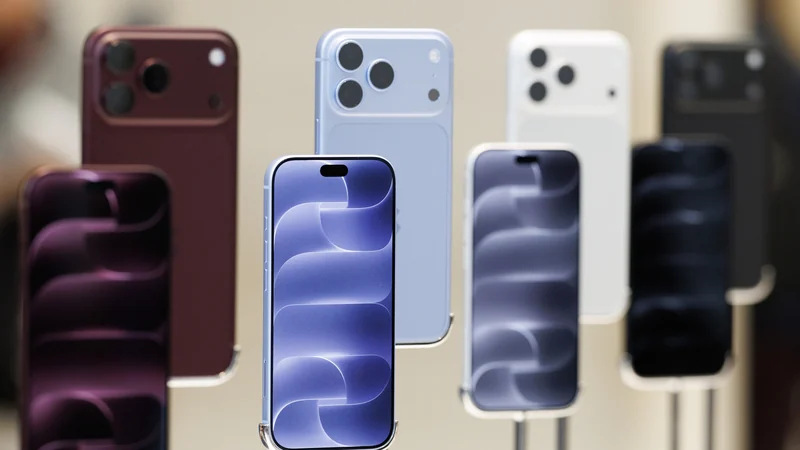
The annual invention roundup did not limit its tech coverage to just one ecosystem or manufacturer. Time ‘s piece goes on to list a couple of other familiar devices, like a lengthy segment on the iPhone Duo, propping it up rather highly alongside other category-defining releases.
Another product we’re happy to see included in the broader technology roundup is the Clicks Power Keyboard, which highlights a continued industry interest in physical typing interfaces and modular productivity accessories for mobile devices.
These selections underscore a broader trend across consumer electronics where companies attempt to solve ergonomic, privacy, and tactile input challenges in fresh ways, giving buyers more specialized choices than standard slab phones.
Looking Ahead to the Next Generation
As consumers evaluate the current hardware landscape, attention is already beginning to shift toward future iterations. As for whether the Galaxy S27 Pro or Ultra will get a Privacy Display, rumors suggest it could happen. Industry watchers are keeping a close eye on supply chain developments and panel specifications.
Detailed cost evaluations have also started circulating, with reports examining pricing tiers and display technology changes that might arrive soon. Time will tell as Samsung plans to launch the devices early next year.
Whether the specialized directional privacy panel expands down to the standard Pro tier or remains an Ultra-exclusive feature remains to be seen, but its successful debut on the current generation ensures that privacy hardware will remain a talking point for mobile enthusiasts.
Sources
- 9to5GoogleGalaxy S26 Ultra is one of the ‘best inventions of 2026’ thanks to its Privacy Display
Continue chronologically
Related stories
Samsung Confirms Galaxy Devices Set for Android 17 Update
Samsung has confirmed a regional list of Galaxy smartphones and tablets scheduled to receive the Android 17-based One UI 9 update.
Which Samsung S Pens Can Be Tracked with SmartThings Find?
Discover which Samsung S Pens are officially compatible with SmartThings Find, how to track the S Pen Pro, and why built-in styluses lack tracking.
Samsung Galaxy S26 Ultra Drops to $950 After Prime Day
The Samsung Galaxy S26 Ultra with 256GB storage is heavily discounted to $949.99 following Prime Day, offering massive savings on the flagship device.
Finding the Closest Android Counterpart to iPhone 18 Pro Max
Explore which Android smartphones truly compete with the iPhone 18 Pro Max in hardware performance, software refinement, and broad market availability.