Google Pixel Marks Its 10th Anniversary
Google's flagship smartphone brand marks a decade on the market, overcoming early hurdles to build out a broad hardware ecosystem and custom chip lineup.
 Radwan AbdulhadiEditor and technology writer

A Decade of the Pixel Smartphone
Ten years ago today, Google launched the first Pixel smartphone. Prior to the device's debut, Google's head of Android at the time, Hiroshi Lockheimer, teased that people would still be talking about October 4, 2016, years down the line. A decade later, that prediction has held true for a hardware project that shows no signs of slowing down. Further details are available from 9to5Google in the original source material.
Google has traditionally earned a reputation for cycling through projects, often canceling or converting initiatives that fail to find immediate success. Many industry observers anticipated a similar fate for the Pixel during the series' leaner middle years. Despite strong first impressions, missteps involving the Pixel 2 XL display, the Pixel 3 XL bathtub notch, and general shortcomings across the Pixel 4 series left plenty of room for doubt.
Expansion Into Custom Silicon and Ecosystems
Rather than pulling the plug, Google stuck by the Pixel lineup and expanded the project beyond initial expectations. Investments including mid-range hardware offerings, proprietary Tensor chips, and an extensive ecosystem of accessories were largely absent from the original vision a decade ago. Today, the hardware line operates as a core pillar of Google's consumer device strategy.
As part of the ten-year milestone, recent retrospectives have revisited various milestones in the series. Community polls evaluating historical models indicate strong favorability for modern devices like the Pixel 10 Pro XL, while earlier entries such as the Pixel 3a and the original Pixel Fold continue to be recognized for their distinct market positioning.
Broader Software and Ecosystem Updates
Alongside the hardware anniversary, Google has rolled out several broader software and ecosystem updates across its product lines. The company recently ended its flagship AI model drought with the introduction of Gemini 4 Argon, while Assistant on Android has officially been fully replaced by Gemini. Additionally, updates to the Pixel Buds application and Pixel Watch have introduced tighter Gemini audio controls and new 3D emoji features respectively.
Other ecosystem developments include Samsung expanding its rollout of Android 17 and One UI 9 following initial deployments on devices like the Galaxy S26. Meanwhile, Boox has opened pre-orders for its ultra-pocketable Picco e-reader priced at $99, and Blender announced plans to bring its 3D modeling application to Android next year.
Industry Context and Media Landscape
The technology publishing industry has experienced notable shifts concurrently with these hardware milestones. Publications across the sector continue to navigate a turbulent news cycle, highlighted by the recent closure of Android Central, which saw its long-running staff laid off earlier in the week.
As Google looks toward the future of the Pixel brand, the ecosystem continues to grow through iterative hardware design, ongoing artificial intelligence integrations, and sustained consumer interest a full ten years after its initial introduction.
Sources
- 9to5GoogleGoogle Pixel turns 10 years old today, and we’re still talking about it
Continue chronologically
Related entity coverage
Related stories
How to Block and Unblock Numbers on Your Android Phone
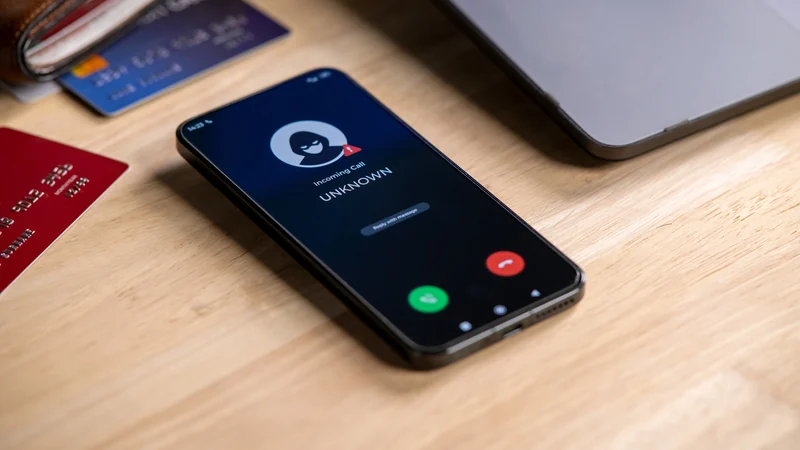
Tired of spam? Learn how to effectively manage your block list on Android phones, including specific steps for Samsung and Google Pixel devices.
Google Launches Googlebook Laptops for Android Users
Google has officially unveiled Googlebooks, a new line of laptops designed to provide seamless connectivity and synergy with your Android smartphone.
Google's Googlebooks Aim to Bridge Android Phones and Laptops
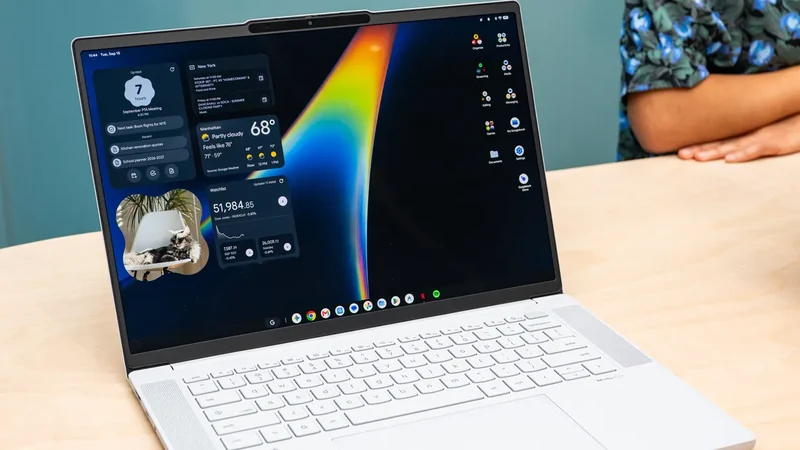
Google's first Googlebooks go on pre-order October 4, promising deeper Android phone integration, AI tools, and a new Android-based foundation.
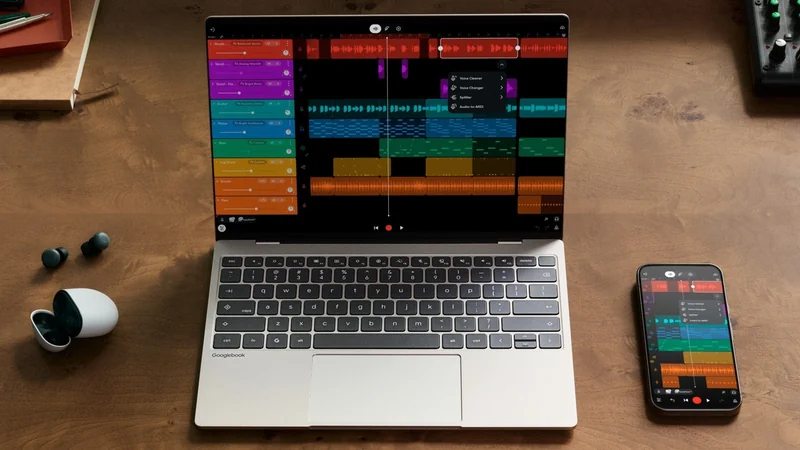
Google Launches Android-Powered Googlebook Laptop Lineup
Google is introducing its new line of Android-based Googlebook laptops on October 4th, featuring deep mobile integration and Gemini AI capabilities.