Googlebook "Better Together" Features Miss Samsung at Launch
Google's newly launched Googlebook laptops arrive with a major limitation for owners of Samsung and other non-Pixel Android devices, as the core "Better Together" mobile integration features require Android 17 and are not supported on Samsung hardware at launch.
 Radwan AbdulhadiEditor and technology writer
The Core Pitch and Early Limitations
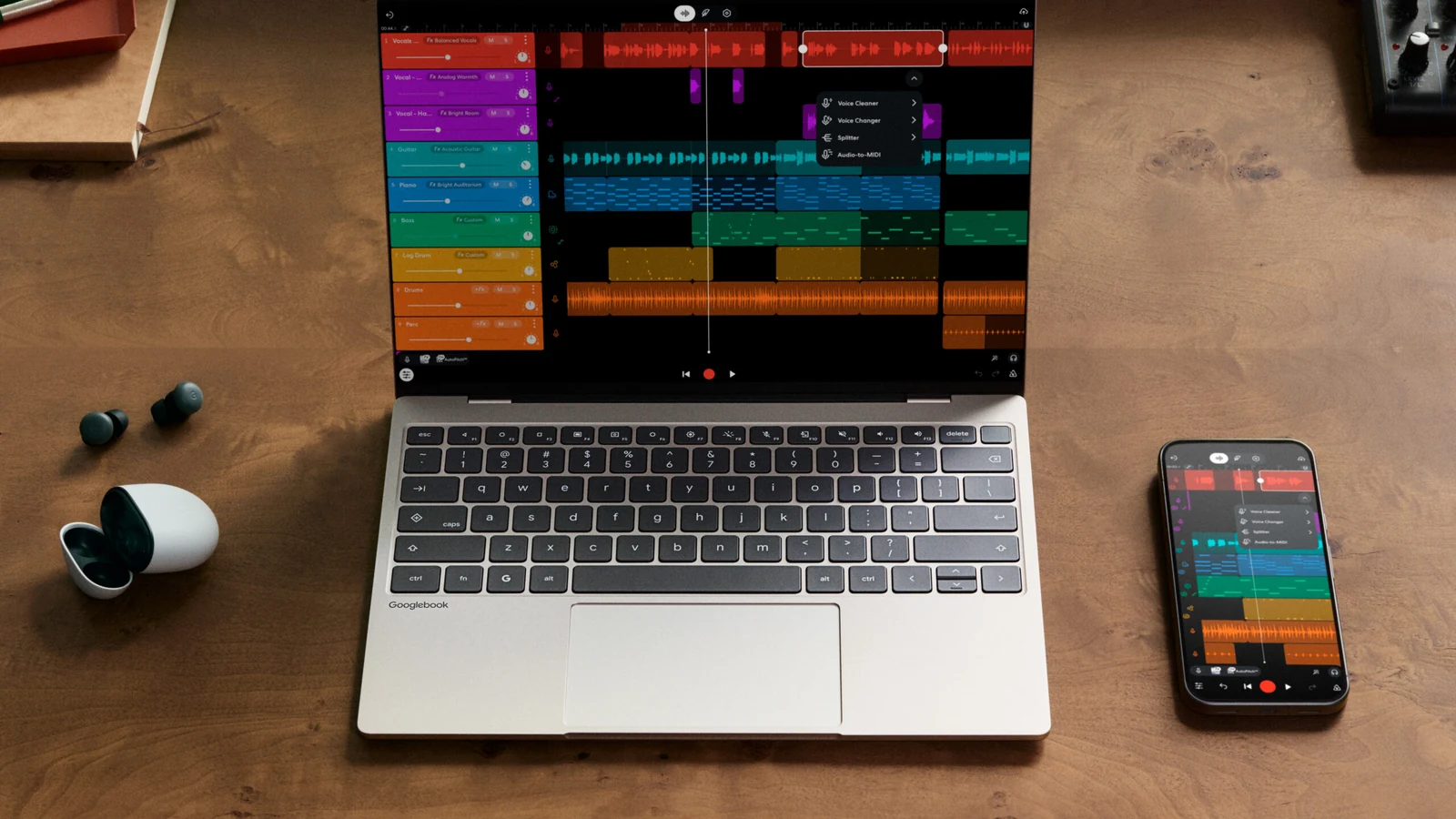
Googlebooks represent the company's latest attempt to carve out a piece of the premium laptop market, with tight integration with Android phones serving as a central element of that strategy. When the company announced the launch window for Googlebooks, officials stated that the laptops were engineered to work with Android phones right out of the box. However, early adopters have quickly discovered that the reality is considerably more complicated.
To utilize features like seamless app streaming, file access, notification mirroring, and task continuity, users must be running Android 17. Because of these stringent requirements, Pixel phones currently stand as the only option for proper mobile integration with a new Google laptop at launch.
Samsung Phones Left Out at Launch
A major complication arises with Samsung devices, which are among the most popular in the Android ecosystem. Even though the latest Samsung phones shipped with Android 17, they do not work with the new laptops. Early Googlebook adopters have reported that devices like the Z Fold 8 will pair up and see each other, but the phone fails to maintain a stable connection.
Google representatives have confirmed that these integration features are not currently supported on Samsung hardware. According to official details from a support page, an update that brings support to Samsung phones will roll out over the coming weeks.
Broader Android Ecosystem OS Fragmentation
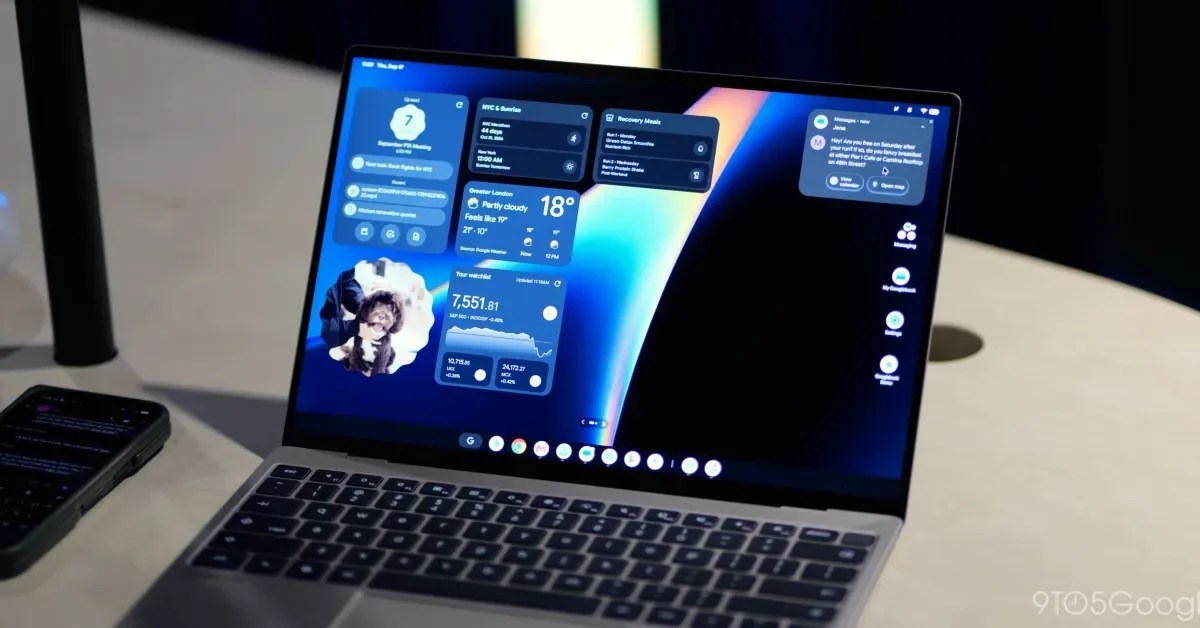
The restriction to Android 17 creates bottlenecks across the broader ecosystem as well. Even when Samsung receives its update, only devices running the latest OS version will function correctly. Other manufacturers face even longer delays in rolling out Android 17 to their mobile lineups.
For instance, Motorola released its 2026 phones running Android 16 and is still awaiting final updates to version 17. Meanwhile, OnePlus has scaled back its smartphone operations in several key markets while continuing to test the new operating system. Xiaomi has pushed Android 17 to select high-end handsets, but Googlebook hardware remains unavailable in most of those core regions.
Technical Hurdles and Ecosystem Expectations
Historically, software fragmentation was a common hurdle for the Android platform as various manufacturers lagged behind on major operating system updates. Over the years, Google worked to minimize this by moving features into Google Play Services and building a modular system layer. These efforts typically meant users did not need to concern themselves with specific Android build numbers.
However, Googlebook support relies strictly on features exclusive to Android 17, marking a notable exception to that modular approach. Industry observers note that launching the hardware without supporting Samsung—the largest Android original equipment manufacturer—and failing to clearly state this limitation publicly represents a rough start for the refreshed laptop initiative.
Sources
- Ars TechnicaGooglebook "Better Together" phone features don't work with Samsung at launch
- 9to5GoogleGooglebook’s Android-integrated features won’t work with Samsung phones at launch
Continue chronologically
Related entity coverage
Related stories
Google Pixel Marks Its 10th Anniversary
Google celebrates the tenth anniversary of the Pixel smartphone line, reflecting on a decade of evolution, hardware changes, and ecosystem expansion.
How to Block and Unblock Numbers on Your Android Phone
Tired of spam? Learn how to effectively manage your block list on Android phones, including specific steps for Samsung and Google Pixel devices.
Samsung Expands Android 17 Rollout for US Galaxy Devices
Samsung is accelerating its Android 17 and One UI 9 update rollout across the US, bringing new software to recent Galaxy devices and foldables.
Google Launches Android Motion Assist to Combat Motion Sickness
Google has officially launched Motion Assist for Android, bringing moving shapes to screens to help passengers combat motion sickness while riding in cars.