Google Pixel 4 Hardware Remains a Standout Design
As the Google Pixel lineup turns ten, a look back at the Pixel 4 highlights its standout hardware choices and unique design identity despite its historical shortcomings.
 Radwan AbdulhadiEditor and technology writer
Reflecting on a Decade of Google Pixel Hardware
The evolution of the Google Pixel ecosystem has brought several radically different designs across generations. As the lineup reaches its 10-year milestone, retrospectives are examining how different models shaped the trajectory of the hardware family. More details on the history and progression of the ecosystem can be found through comprehensive coverage on Google Pixel at 10.
Among the various generations released over the past decade, the Pixel 4 stands out for its distinct hardware approach. While the device faced significant criticism upon release, its physical design elements continue to draw attention from reviewers and enthusiasts analyzing past smartphone trends within the broader Google Pixel ecosystem.
Design Choices and Physical Feel
The physical construction of the Pixel 4 introduced elements that set it apart from other releases. The device featured a mostly blank back paired with a single square camera module, alongside the popular 'Oh So Orange' color option. Beyond its visual presentation, the soft-touch matte back panel and visually contrasting side rails provided a tactile feel that remains memorable for many users.
These hardware decisions reflected a specific era of product design centered on tactile comfort and approachable aesthetics. Although modern smartphone designs have shifted toward different form factors and prominent camera bars, the physical foundation established by the Pixel 4 series remains a unique point of reference in the history of Google Pixel 4 releases.
The Forehead Display and Biometrics
One of the most defining and debated physical traits of the Pixel 4 was the large forehead bezel above the display. This space was utilized to house the Soli sensor and dedicated face unlock hardware. While the approach represented a major hardware gamble for the company, the face unlock functionality proved durable over time, successfully recognizing users years after initial deployment.
The Soli radar implementation also introduced niche gesture capabilities that polarized opinion. While some modern smartphone iterations have explored alternative security configurations and biometric methods like newer Pixels splitting the difference between security and hardware on face unlock, the bold sensor suite on the older generation remains a distinct engineering chapter.
Legacy of Shortcomings and Shortfalls
Despite favorable views on its physical styling and hand-feel, the Pixel 4 series faced substantial obstacles during its commercial run. Critics and users frequently cite several primary drawbacks that impacted the device's market reception. These included an elevated retail price point at launch, the controversial omission of a traditional fingerprint sensor at a time when biometric preferences were shifting, and notably short battery life.
These hardware compromises ultimately overshadowed some of the forward-thinking design concepts integrated into the chassis. Consequently, the device occupies a complex space in mobile history, remembered simultaneously for its ergonomic appeal and its challenging operational trade-offs.
Ongoing Influence on Mobile Design
As hardware development continues to advance across the industry, retrospectives on older models often highlight features worth revisiting. Discussions surrounding the Pixel 4 suggest that certain ergonomic principles and material choices from that generation could offer valuable inspiration for future device design cycles, even as modern lineups adopt updated aesthetics and processing architectures.
Sources
- 9to5GoogleThe Pixel 4 is still my favorite Google smartphone hardware, and it holds up
Continue chronologically
Related entity coverage
Related stories
Revisiting the Pixel 5 and How It Handled a Tough Year
Looking back at the Google Pixel 5, a device shaped by a global pandemic, supply shortages, and compromises that aged surprisingly well.

Reflecting on Google’s Original Pixel Fold Form Factor
An analysis of the original Google Pixel Fold, examining its wide form factor, historical context, and how it anticipated recent industry trends.
Google's Googlebooks Aim to Bridge Android Phones and Laptops
Google's first Googlebooks go on pre-order October 4, promising deeper Android phone integration, AI tools, and a new Android-based foundation.
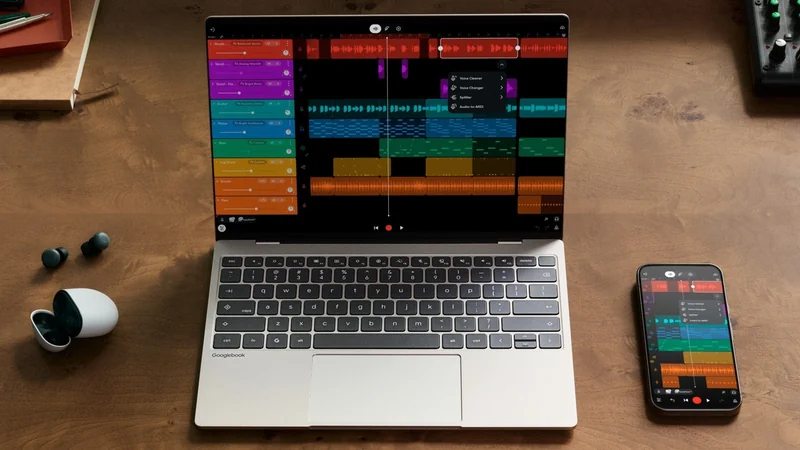
Google Launches Googlebook Laptops for Android Users
Google has officially unveiled Googlebooks, a new line of laptops designed to provide seamless connectivity and synergy with your Android smartphone.