
Google Pixel at 10: Tracing a Decade of Smartphones
A look back at ten years of Google Pixel smartphones highlights a tumultuous journey of bold hardware risks, software milestones, and eventual strategic pivots.
 Radwan AbdulhadiEditor and technology writer
The Origins of Google Pixel
Looking back at the mobile landscape, it is notable that the Google Pixel family has reached a decade of existence. Back in 2016, questioning whether Google’s in-house hardware experiment would stick around long enough to reach fully custom 3nm silicon was a reasonable doubt.
Google entered the market long after Apple and Samsung had already established strong positions. The transition from the discontinued Nexus lineup to the new Google Pixel marked a shift toward a smartphone brand not officially made by traditional partners, though initial production still relied heavily on external groundwork. The original Google Pixel was built in a close manufacturing partnership with HTC, featuring a wedge-shaped profile designed to eliminate any camera bump.
While the hardware wasn’t tearing up trees and bore a conservative design reminiscent of competitors, it relied on built-in Google Assistant integration and the HDR+ image processing pipeline to differentiate itself. This combination of smart software and artificial intelligence set the tone for mobile computing efforts moving forward.
Refining Design and Camera Dominance
The second-generation devices brought major design updates, most notably through the LG-made Pixel 2 XL and its distinctive black-and-white glass back. Despite these improvements, the first major problems started to appear, though, including viewing angle color shifts and screen burn-in issues reported by users.
By the era of the Pixel 3, Google combined peak camera software dominance with unusual hardware choices, such as the prominent notch on the Pixel 3 XL. Despite aesthetic criticism, the introduction of Night Sight via a software update fundamentally changed low-level mobile photography, allowing users to capture clear and detailed images in near pitch-black conditions without using a flash.
High Risks and Mid-Range Pivots
The Pixel 4 represented a significant departure from previous design languages, incorporating Project Soli into a thicker top bezel for motion gestures, a 90Hz display, and a telephoto lens. However, high launch prices, limited battery capacity on the smaller model, and regional radar frequency restrictions hindered commercial success and triggered a team reshuffle.
In response to global disruptions in 2020, Google shifted direction toward more accessible hardware. The affordable Pixel 4a and the Snapdragon 765G-powered Pixel 5 focused on everyday reliability, utilitarian plastic or bio-resin finishes, and dependable battery life, establishing a strong following despite stepping away from top-tier flagship processing power.
The Custom Silicon Era
The year 2021 marked a major turning point for the lineup with a complete design overhaul that introduced the signature camera bar and a two-tier Pro and base model strategy. Most importantly, it featured the debut of original Tensor silicon, which allowed Google to tailor hardware directly for on-device machine learning tasks like Magic Eraser and Live Translate.
As the mobile hardware ecosystem evolved into subsequent iterations like the hood sat Tensor G2, Google steadily refined its custom silicon strategy, working to establish a consistent rhythm in the smartphone market after a decade of trials and adjustments.
Sources
- 9to5GoogleGoogle Pixel at 10: Successes, failures, and fun along the way [Video]
Continue chronologically
Related entity coverage
Related stories
Google Pixel Marks Its 10th Anniversary
Google celebrates the tenth anniversary of the Pixel smartphone line, reflecting on a decade of evolution, hardware changes, and ecosystem expansion.
How to Block and Unblock Numbers on Your Android Phone
Tired of spam? Learn how to effectively manage your block list on Android phones, including specific steps for Samsung and Google Pixel devices.
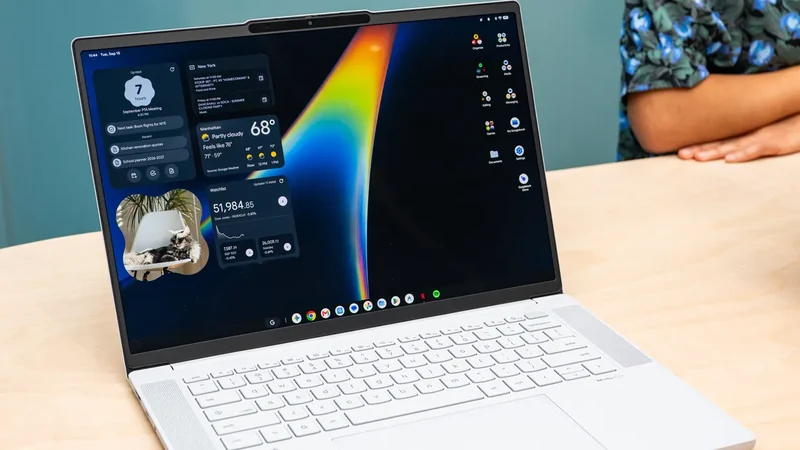
Google Launches Googlebook Laptops for Android Users
Google has officially unveiled Googlebooks, a new line of laptops designed to provide seamless connectivity and synergy with your Android smartphone.
Google Rolls Out Android 17 QPR3 Beta 1 for Pixel
Google has officially begun rolling out Android 17 QPR3 Beta 1 for eligible Pixel devices following earlier QPR2 releases, targeting a March 2027 stable launch.