Ceramic vs. Titanium Apple Watch: Durability Compared
Choosing between a ceramic and titanium Apple Watch casing involves weighing long-term scratch resistance against overall impact strength and everyday durability.
 Radwan AbdulhadiEditor and technology writer
Material Hardness Versus Strength
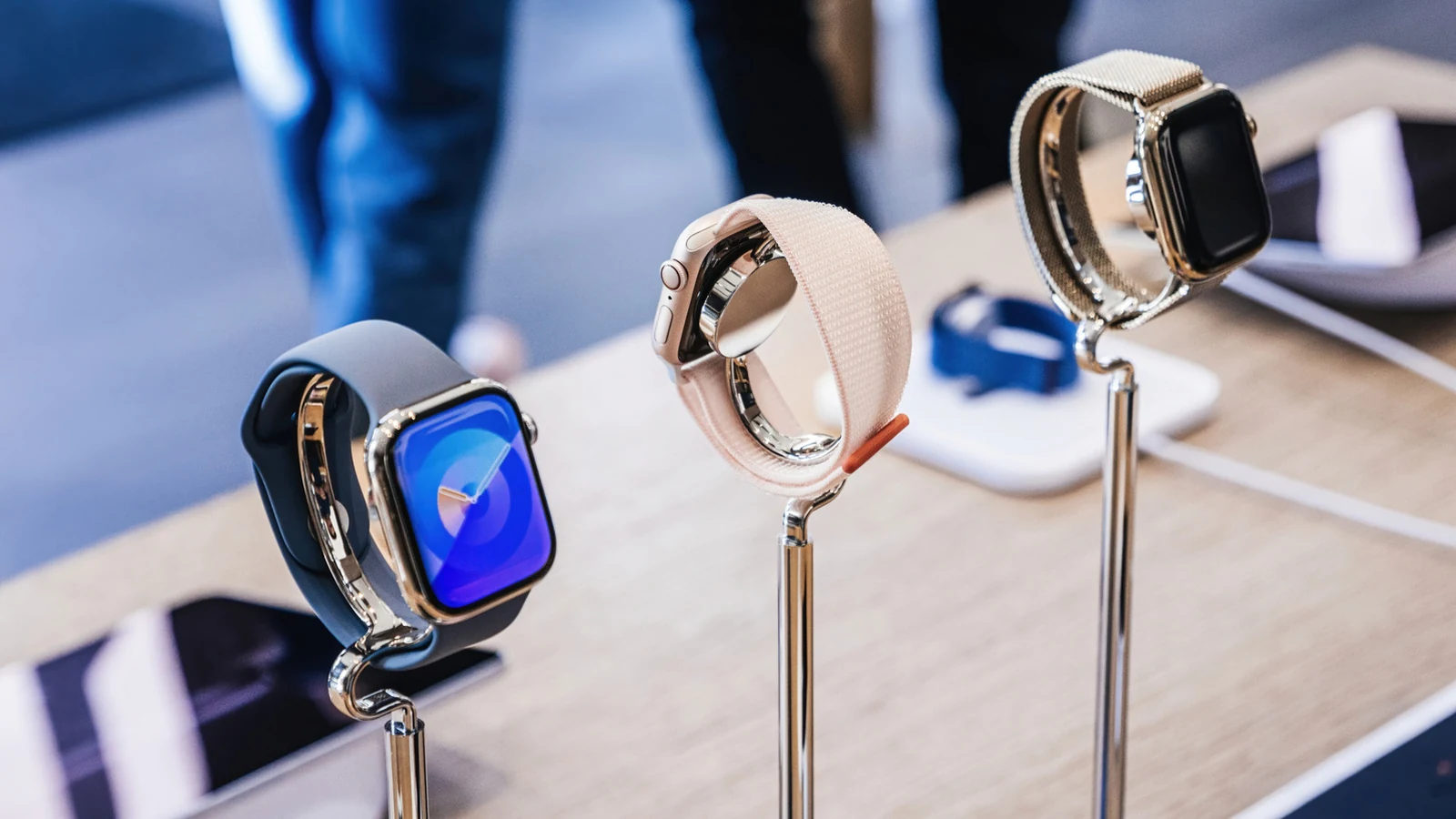
When comparing Apple Watch casing materials, specifically titanium and ceramic, the choices involve varying degrees of counter-intuition. For instance, titanium models feature ceramic components. Furthermore, while ceramic is harder than titanium, titanium serves as the stronger material overall. Titanium is generally the better choice for consumers shopping primarily for long-lasting durability against drops and hard knocks, though it lacks the supreme scratch-resistance found in ceramic options.
Availability also plays a role in the decision-making process. Apple hasn't manufactured a primarily ceramic casing since the Apple Watch Series 5. However, with the release of the Apple Watch Series 12, Apple is bringing back the ceramic option in Pearl White and Midnight Blue, though this leaves ceramic several generations behind in terms of abundant, recent-generation availability.
Scratch Resistance and Long-Term Aesthetics
Both ceramic and titanium Series 12 models feature a sapphire crystal front, meaning the display glass offers equal protection on both variants. However, the case itself behaves differently under daily wear. Ceramic stands out as the optimal choice for buyers who dislike scratch buildup and want a gleaming, glossy surface that lasts over the long term.
Because Apple Watches possess a sizable surface area, more of the metal casing remains exposed during everyday activities. Ceramic proves exceptionally resistant to surface scratching, making it well-suited for office wear, formal occasions, or anyone whose primary cosmetic concern involves avoiding light scuffing.
Impact Resistance and Active Lifestyles
Extreme hardness and scratch-resistance do not equate to complete invulnerability. In fact, the inherent hardness of ceramic can increase its liability to impact damage. Titanium's high tolerance for sharp, concentrated impacts makes it the safer watch casing for highly active enthusiasts.
Apple heavily markets the health and fitness aspects of its devices, which naturally attracts users with active lifestyles or demanding physical jobs. For example, a welder benefits significantly more from a resilient titanium build, whereas a hair stylist can navigate daily work safely with a ceramic model.
Beyond durability differences, weight is another distinguishing factor. The titanium option is noticeably lighter at 44.9 grams compared to the ceramic version, which tips the scales at 51.3 grams.
Weighing Alternatives Like Aluminum
Even when considering alternative materials, titanium maintains the advantage in overall durability by balancing resistance with a lighter weight. Meanwhile, ceramic remains the top pick specifically for scratch resistance. For users seeking a different tier, Apple also offers an aluminum Apple Watch as a practical alternative focused primarily on lower weight and reduced cost.
The 46mm aluminum Series 12 weighs 39.5 grams, making it lighter than both its ceramic and titanium counterparts. However, the aluminum version lacks the sapphire crystal screen, relying instead on a ceramic-covered Ion-X glass that Apple claims is 60 percent tougher than earlier iterations. Despite these upgrades, aluminum remains susceptible to dents and cosmetic scratches.
Conclusion on Apple Watch Materials
Ultimately, no Apple Watch is completely indestructible. While protective cases can reduce damage risks, they add bulk and obscure the premium finishes that buyers pay for. Apple manufactures exceptionally strong hardware across its lineup, but users should select titanium for maximum resilience, ceramic for long-term polish, or aluminum for a lightweight and budget-friendly choice.
Sources
- EngadgetCeramic vs Titanium Apple Watch: Which material is better for overall durability?
Continue chronologically

Related entity coverage
Related stories
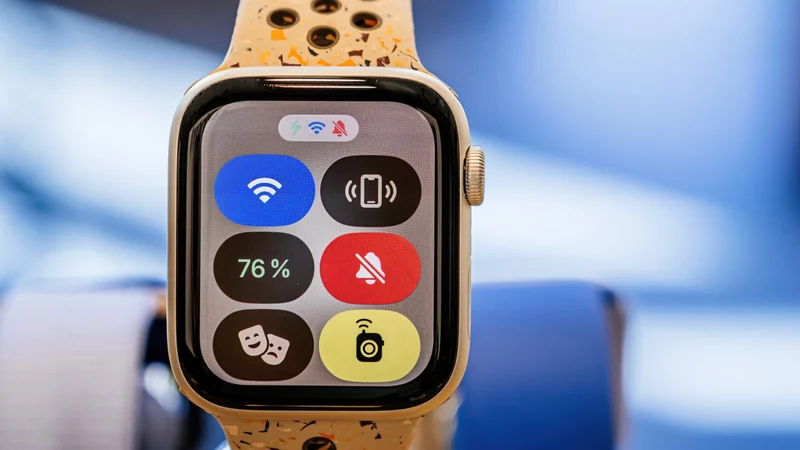
Understanding Theater Mode on Your Apple Watch
Discover how Theater Mode on your Apple Watch silences alerts, dims the display, saves battery life, and keeps notifications subtle during movies and meetings.
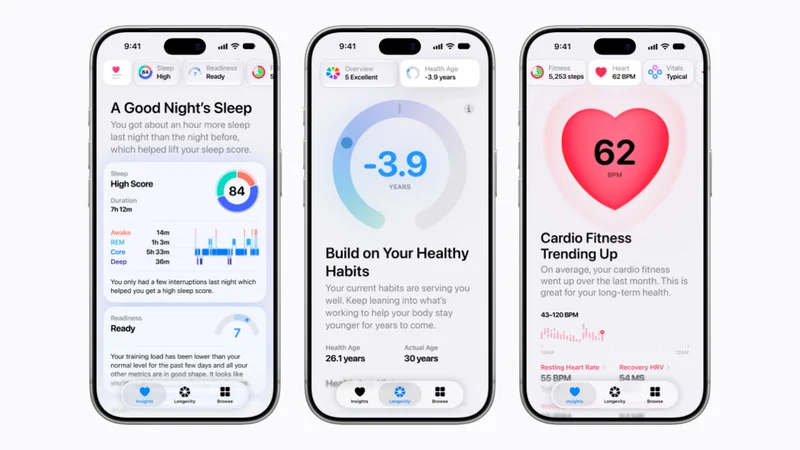
Apple Announces Expanded Language Support for Redesigned Health App
Apple has announced expanded language support for its redesigned Health app, bringing personalized insights and features to users worldwide.
Understanding Apple Watch AssistiveTouch and Hand Gestures
Learn how AssistiveTouch on your Apple Watch lets you control your device using simple hand gestures without touching the screen.
Apple Watch AI Audio Features Enter Beta Testing
Apple begins developer beta testing for new AI-powered Audio Intelligence features on Apple Watch, including Live Rewind and Siri Recaps.