The Rise, Fall, and Resurgence of Portable MP3 Players
Portable media players have evolved from primitive 1990s gadgets into cultural phenomena, and are now experiencing a surprising retro resurgence.
 Radwan AbdulhadiEditor and technology writer
How Portable Digital Music Started
Before the MP3 player arrived in the 2000s, music lovers carried physical media such as booklets of CDs or cassettes. The landscape changed when the MPMan F10 launched in Asia in March 1998, widely considered the first commercial MP3 player. Resembling an oversized pager, it was followed a few months later by the Diamond Rio PMP300 in September 1998.
These early devices were primitive by modern standards, offering just 32MB of storage—enough for roughly 12 songs. Their design more closely resembles contemporary expectations of a media player, but their limited monochrome LCD interfaces and low capacity presented significant hurdles.
The Golden Age of the iPod
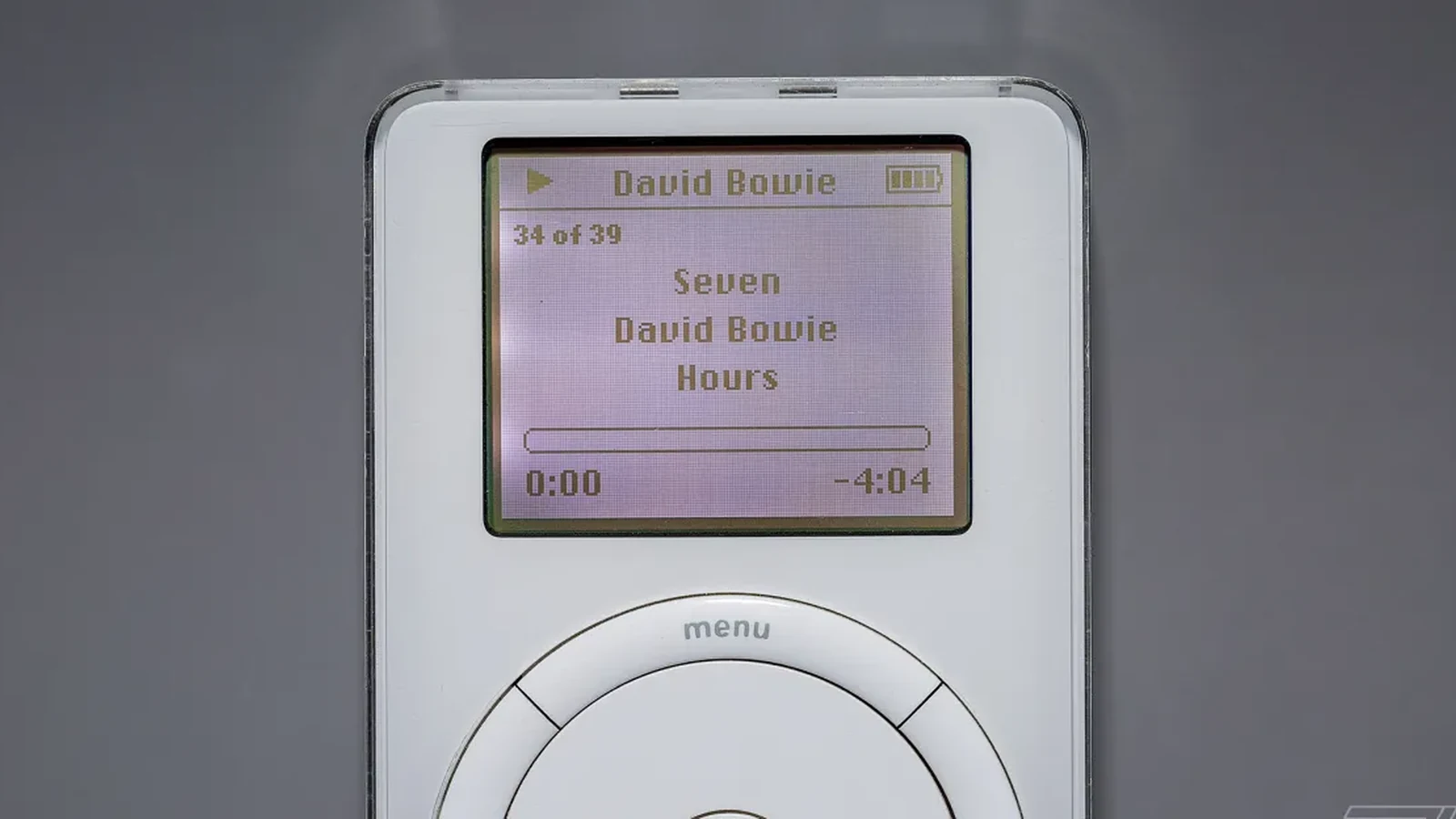
The portable media player market truly took off with the introduction of the iPod in November 2001. By 2007, roughly 20 percent of Americans owned a personal media player. Competitors like Microsoft and Creative attempted to enter the space, but Apple dominated with over 70 percent of media player sales.
During the 2000s, digital music felt inescapable, driven by peer-to-peer file sharing services like Napster and iconic ads featuring silhouettes and white earbuds.
The Collapse of the Market
The dominance of dedicated media players was short-lived. By 2011, iPhone sales eclipsed iPod sales, and modern smartphones quickly replaced flip phones and BlackBerrys. As music consumption shifted toward streaming, the industry suffered a massive contraction, dropping from a peak of $21.6 billion in 2008 down to $613 million by 2012.
Apple gradually wound down the lineup, retiring the Classic model in 2014, cutting the Nano and Shuffle in 2017, and finally discontinuing the iPod Touch in 2022.
Audiophile Players and Modern Niches
Today, tracking the digital audio player market yields mixed data, but dedicated players remain a specialized niche. For years, portable music players were primarily the domain of audiophiles, with companies like Sony and Astell & Kern releasing high-end audio devices selling for well north of $3,000. Sony's NW-A306 remains one of the few devices approaching a mainstream consumer price at $399.99.
The Retro Resurgence and Modding Culture
Amid rising interest in offline listening experiences free from algorithmic recommendations and notifications, vintage iPods continue to fetch hundreds of dollars on eBay. A cottage industry has emerged around modding these devices to replace failing batteries and hard drives, or to upgrade them with Bluetooth and USB-C connectivity. With Google searches for MP3 players tripling recently, startups and manufacturers are looking to capitalize on the retro trend through crowdfunding campaigns and affordable alternatives.
Sources
- The VergeThe rise, fall, and rise of portable MP3 players
Continue chronologically
Related entity coverage
Related stories
How to improve your laptop webcam quality and fix grainy video
Learn how to improve your laptop's webcam quality using simple lighting adjustments, cleaning tips, and software settings for your video calls.
How Retro Consoles Handled Graphics Before Modern GPUs
Explore how retro consoles generated graphics using fixed-function chips and shared workloads before modern PC-style GPUs changed gaming forever.
Windows Task Manager Creator Releases Modern TMOG Tool
Dave Plummer, the original architect of Windows Task Manager, has launched a cross-platform diagnostic utility built with the help of AI.
How to Securely Wipe Your Old Laptop Before Disposal
Don't leave your personal data behind when upgrading your hardware. Follow these essential steps to back up, de-authorize, and securely wipe your laptop.