The AI Graveyard: Startups and Projects That Didn't Make It
A running look at the artificial intelligence projects, startups, and hardware products that have shut down, pivoted, or missed market expectations.
 Radwan AbdulhadiEditor and technology writer

The Corporate AI Attrition Rate
The rapid expansion of artificial intelligence has given rise to a growing AI graveyard, populated by startups, features, and enterprise bets that failed to secure long-term viability. While venture capital and corporate enthusiasm have fueled thousands of launches, many ideas never survive the competitive landscape or the shifting priorities of the companies building them. According to S&P Global Market Intelligence, approximately 42% of corporate AI initiatives are ultimately abandoned by their corporate parents due to insufficient funding, technical challenges, fierce competition, scaling difficulties, or weak user demand.
Independent startups have felt this pressure acutely. Relay, an AI-powered workflow automation tool created as an alternative to Zapier, shut down entirely after larger tech platforms began building similar automation directly into their core native ecosystems, leaving the five-year-old product struggling to maintain a distinct standalone purpose. Similarly, chatbot platform Character.ai filed for bankruptcy just five years after its initial launch.
OpenAI Missteps and Feature Consolidations
Even the industry's most prominent players are not immune to missteps. OpenAI faced immediate backlash when it attempted to transform ChatGPT into a broad super app by combining separate chat, codex, and work modes while renaming the traditional version to ChatGPT Classic. The confusing interface drew strong criticism from users, prompting OpenAI to roll back the change and restore the familiar interface.
At the same time, OpenAI has successfully folded several standalone projects directly into its primary ecosystem. ChatGPT Atlas, an AI-powered web browser, was discontinued in August after lasting less than a year. The company also integrated features from Operator, streamlined image generation capabilities to reduce the standalone footprint of DALL-E, and shut down its high-cost video-sharing platform Sora due to retention challenges and steep operating expenses.
Hardware Hurdles: Humane and Rabbit
Dedicated artificial intelligence hardware has experienced some of the most visible commercial failures. The Humane AI Pin raised $230 million in venture funding to deliver ambient intelligence through a wearable device instead of a smartphone. However, the hardware struggled with performance issues, and the situation deteriorated further when Humane warned consumers to halt using its charging case due to battery fire risks. The company eventually shut down its AI Pin business, with HP acquiring the majority of its assets.
Similarly, the heavily hyped Rabbit R1 companion device arrived to strong initial sales figures at CES, but early user reviews quickly characterized the device as unfinished, citing inconsistent performance and limited integrations. While the company has persisted by updating the R1 software as a computer controller and introducing new hardware projects like Project Cyberdeck, the device remains a prominent example of early generative hardware growing pains.
Delayed Promises from Apple and Microsoft
Tech giants Apple and Microsoft encountered significant headwinds with their high-profile software rollouts. When Apple initially unveiled Apple Intelligence, an advanced version of Siri was pitched as a cornerstone feature capable of deep contextual awareness across applications. However, engineering hurdles and persistent bugs forced Apple to repeatedly delay the release, contributing to a financial settlement over marketing claims regarding iPhone 16 capabilities before the updated Siri finally surfaced in recent software betas.
Microsoft faced a parallel backlash with the announcement of Recall, an AI-powered feature for Windows designed to take periodic screenshots and log a searchable digital history of user activity. Privacy and security advocates immediately criticized the system for potentially exposing sensitive data, including passwords and financial information. Despite repeated delays and subsequent security redesigns, ongoing researcher discoveries have continued to revive questions concerning the feature's underlying data protection measures.
Niche Startups, Email, and Audio Apps
Smaller software applications have also succumbed to market realities as mainstream platforms expand their native offerings. Notion Mail launched as an email organization product backed by artificial intelligence, but because users increasingly relied on independent AI agents to manage their inboxes, the company scheduled the product for closure.
Other specialized applications experienced similar fates. Huxe, an audio app that transformed written text into conversational podcast discussions, shut down after major platforms began delivering comparable audio experiences to wider audiences. Yupp, a side-by-side comparison playground featuring hundreds of AI models, closed after failing to secure a sustainable product-market fit. Meanwhile, Figgs AI amassed over one million users for customizable role-play characters, but ultimately shut down due to the unsustainable financial costs of keeping the service entirely free.
Sources
- TechCrunchThe AI graveyard: a running list of projects and startups that didn’t make it
Continue chronologically

Related entity coverage
Related stories
US Suspends Residency Program for Microsoft and Adobe
The US government suspends a permanent residency program for Microsoft, Adobe, and five other tech companies amid H-1B visa fraud allegations.
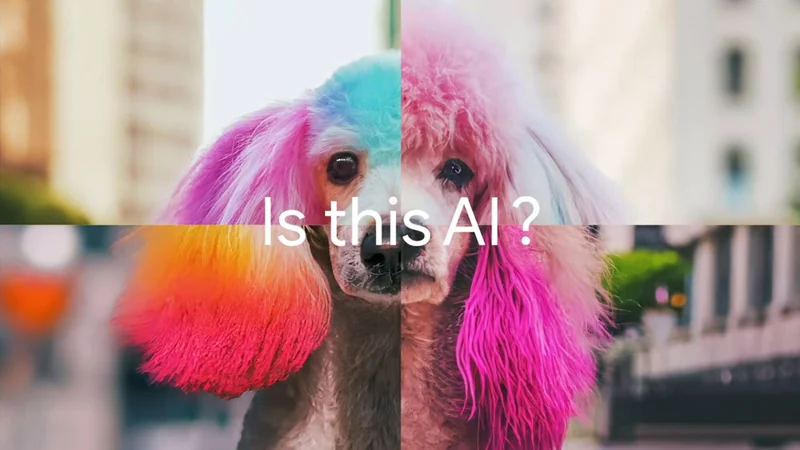
Google's SynthID AI Detector Goes Public for Everyone
Google's SynthID Detector is now available globally for regular users, offering a simple way to check if images, videos, or audio files are AI-generated.
Google, OpenAI, Anthropic Join New Scraping Controls
Google, OpenAI, Anthropic, and Microsoft pledge to support a new common robots.txt signal to block web scraping for generative AI training.

Wikimedia Foundation Weighs In On NYT v. OpenAI Lawsuit
The Wikimedia Foundation has filed an amicus brief in The New York Times' copyright case against OpenAI and Microsoft, urging a balanced legal approach.