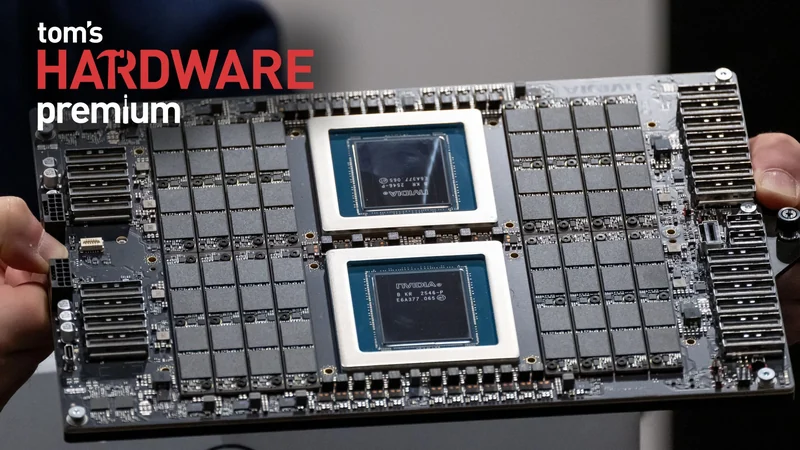
Nvidia Vera CPU Benchmarked Against AMD and Intel
Nvidia's custom Olympus-based Vera CPU enters the data center market to face established x86 competitors with strong memory bandwidth and agentic workflow capabilities.
 Radwan AbdulhadiEditor and technology writer
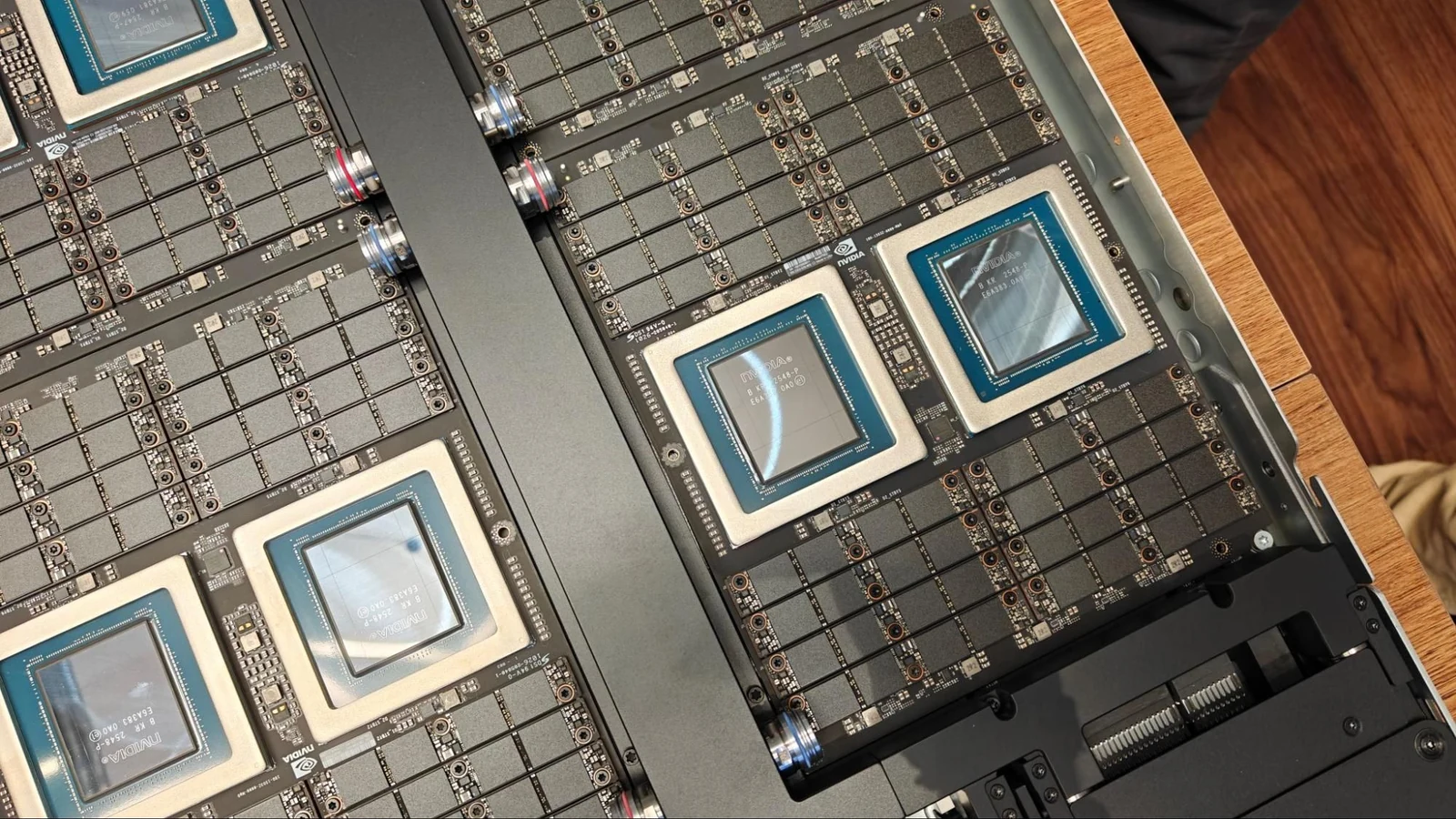
Nvidia Vera CPU Enters Data Center Testing
Nvidia has provided access to its Vera data center CPU for evaluation, putting the new processor head-to-head against Intel's Granite Rapids-AP and AMD's EPYC Turin server chips. According to Tom's Hardware, the processor arrives as the industry shifts toward agentic AI workflows, a transition that has generated unprecedented demand for specialized data center CPUs. While adapting chips for shifts in demand that emerged shortly before release can be challenging, the published benchmarks indicate that Nvidia's claims about Vera hold significant weight.
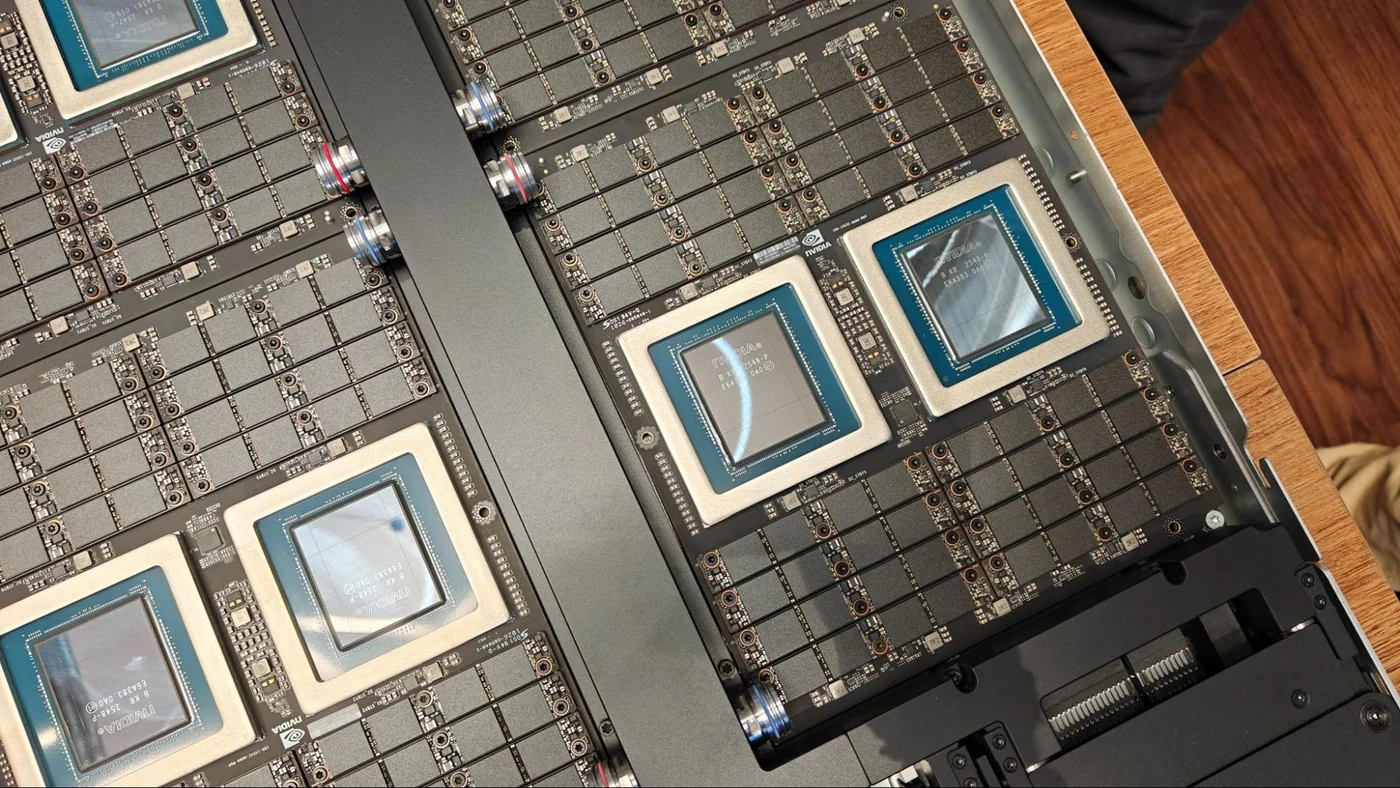
Performance in Agentic Workflows and Python
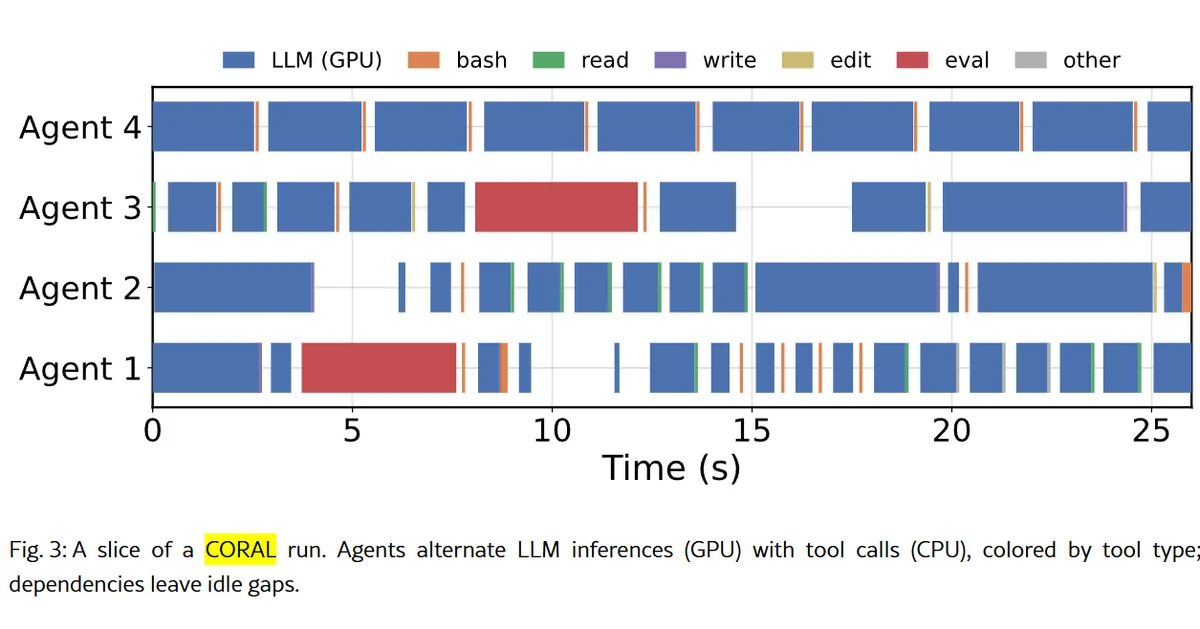
Although standardized end-to-end agentic benchmarks centered specifically on CPUs are not yet fully established, current workloads point to strong indicators regarding Vera's utility in agentic systems. The processor delivers chart-topping performance in Python, a programming language that serves as a major backbone for the broader AI software ecosystem. Furthermore, Vera displays commanding memory bandwidth at both the socket and system levels, facilitated by a high-speed C2C interconnect between chips. This bandwidth is especially crucial in active agentic environments where multiple autonomous agents simultaneously query large databases.
Architecture and Core Specifications
Vera represents a notable departure from the Grace CPU, which relied on an off-the-shelf Arm design, by introducing Nvidia's first custom core known as Olympus. The 88-core CPU is constructed on the Armv9.2-A architecture and incorporates two threads per core using Nvidia's spatial multithreading technology. The chip features a 10-wide decode, mirroring Arm's AGI, along with Nvidia's second-generation Scalable Coherency Fabric (SCF). This mesh architecture distributes L3 cache across the die to deliver up to 3.4 TB/s of bandwidth across the die.
Memory Bandwidth and x86 Competition
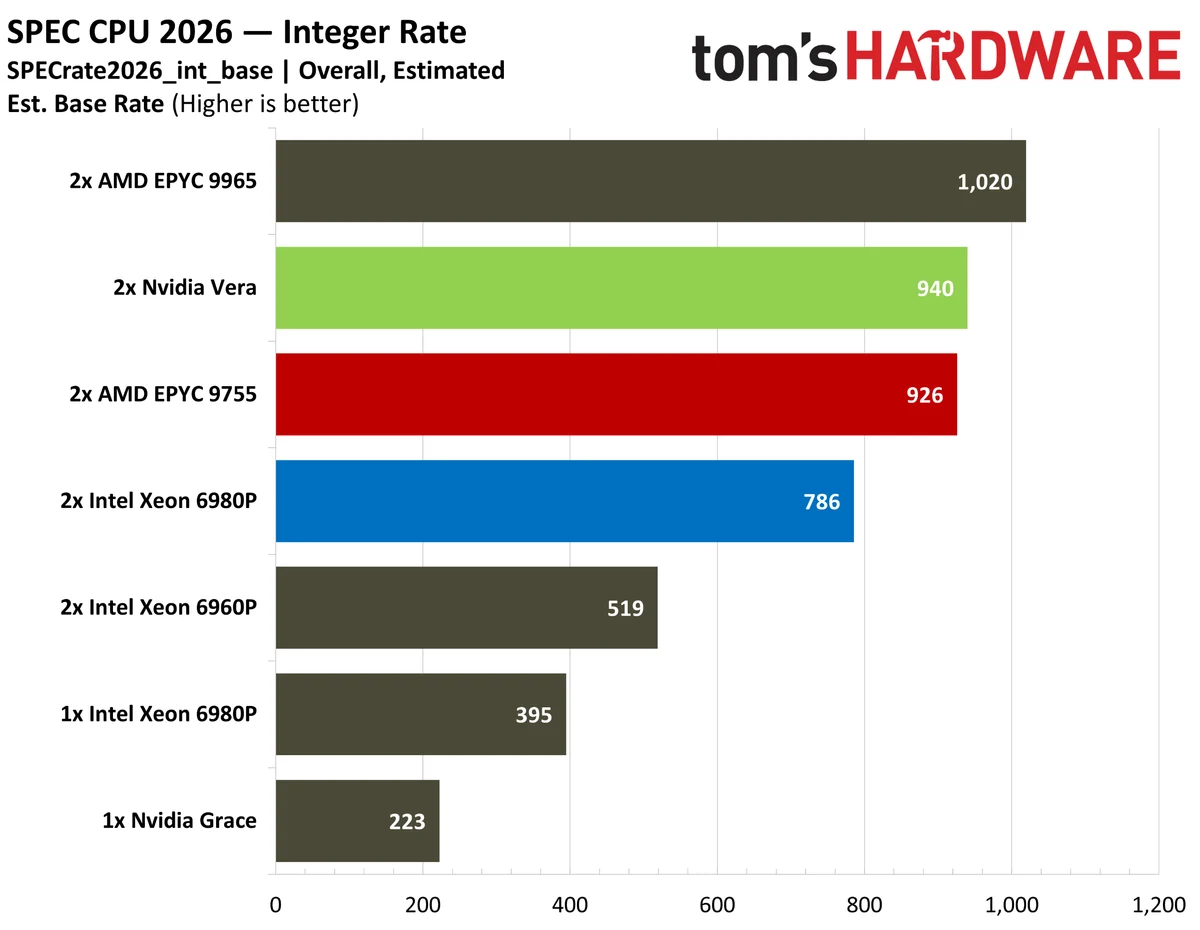
In addition to core architecture, Vera leverages replaceable SOCAMM2 LPDDR5X operating at 9,600 MT/s, achieving an aggregate memory bandwidth of up to 1.2 TB/s and roughly 14 GB/s per core. This rate is more than double the memory bandwidth offered by dense AMD Turin designs. While x86 competitors from AMD and Intel maintain advantages in core density for frontend workloads, Vera trades that density for robust performance in backend, data-rich operations, often matching or outperforming comparable x86 counterparts in general-purpose server tasks.
Concurrency and Workload Variability
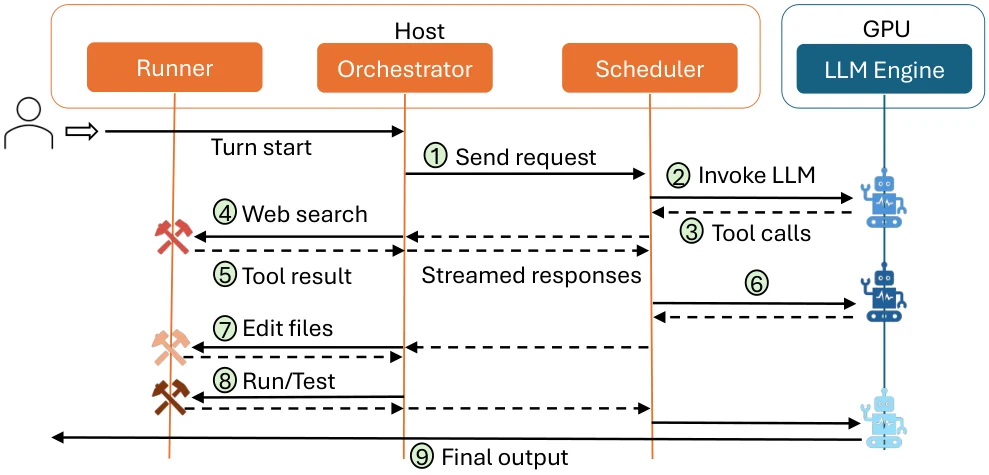
Evaluating processors for agentic AI requires looking beyond individual sandboxes to concurrency and system behavior under heavy loads. Persistent agent platforms, such as those seen in Meta Muse and OpenAI Dots, rely on CPU-only racks that communicate with inference servers. While routine tasks like reading files or running headless browser tests require minimal isolation effort, handling thousands of simultaneous tool calls introduces complex performance challenges. Hyperscalers like Google Cloud have noted that agentic workloads often exhibit bursty behavior, featuring long periods of idling interrupted by intense computational demands.
Sources
- Tom's HardwareBenchmarking Nvidia’s Vera CPU for the data center — standalone Vera tested against Granite Rapids-AP and EPYC Turin
Continue chronologically
Related entity coverage
Related stories
Modal Adopts Nvidia Vera CPUs After Internal Tests Show 2X Gains
AI startup Modal plans to deploy Nvidia Vera CPUs following internal tests that showed a 2x throughput advantage over current Intel and AMD processors.

Intel's Gloomy PC Outlook Triggers $1 Trillion Chip Market Wipeout
Intel shares plunge 30% after a weak PC outlook, erasing $150 billion and sparking a wider semiconductor market bloodbath across the industry.
Modder Brings Full Nvidia DLSS 5 Suite to AMD GPUs
A developer project brings the full Nvidia DLSS 5 suite—including Neural Rendering and Ray Reconstruction—to three generations of AMD gaming GPUs.
Nvidia Vera CPUs Land in Oracle Cloud
Nvidia's standalone Vera CPUs arrive in Oracle Cloud Infrastructure Superclusters as part of a multi-gigawatt deployment.