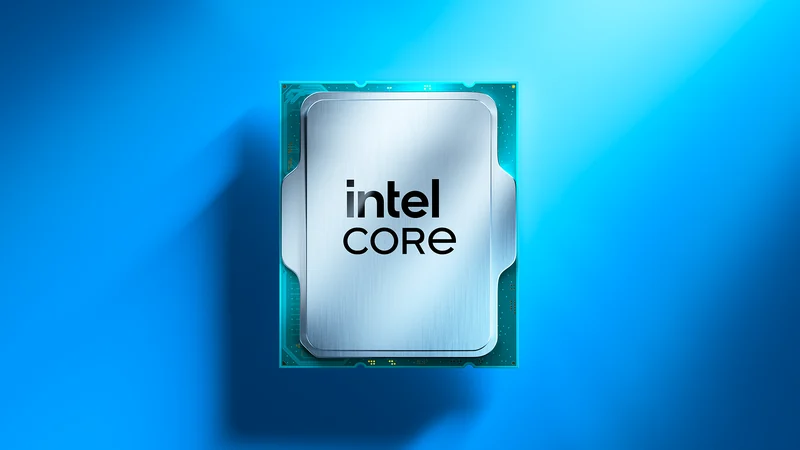
Intel Fab 28 Shutdown to Cost $600M Following Explosion
A recent explosion at Intel's major semiconductor fabrication plant has triggered a two-week operational shutdown, dealing a significant blow to server chip manufacturing across two quarters.
 Radwan AbdulhadiEditor and technology writer
Fab 28 Shutdown and Financial Impact
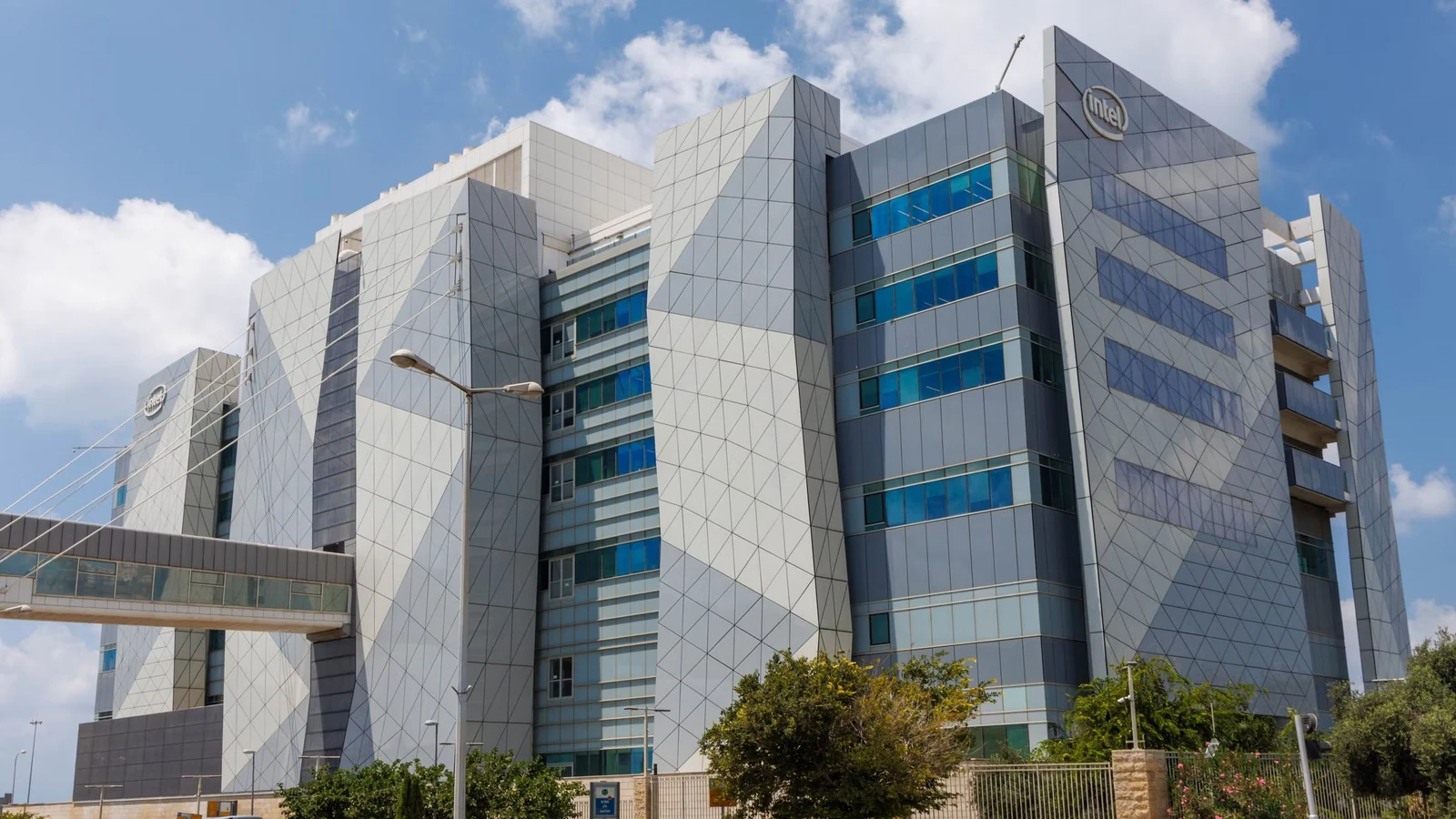
Intel has revealed that the devastating <a href="https://www.tomshardware.com/tech-industry/semiconductors/two-killed-one-seriously-hurt-in-explosion-at-intels-chip-plant-in-israel-police-suspect-a-gas-cylinder-malfunction-and-the-fire-involved-a-toxic-gas-used-to-clean-chipmaking-tools">explosion at Intel's Fab 28 near Kiryat Gat, Israel</a> earlier this month has resulted in a mandatory two-week shutdown of the entire manufacturing facility. According to the company, the incident is anticipated to generate a total revenue impact of approximately $600 million spread across two consecutive quarters.
During the company's earnings call, Intel Chief Financial Officer Dave Zinsner outlined the timeline for the facility's return to activity. "In Israel, we have been shut down for about two weeks," Zinsner said. "We feel like we are going to be starting up production here by the end of this week." Further details are available from Tom's Hardware on Google News in the original source material.
Quarterly Projections and Margin Pressures
The mid-October accident not only halted operations but also resulted in tragic casualties, killing two individuals and seriously injuring another. In terms of financial forecasting, Intel estimates that the disruption will reduce its fourth-quarter 2026 revenue by roughly $300 million, with an identical downward impact projected for the first quarter of 2027.
In addition to top-line revenue losses, Intel anticipates that the accident will trim its fourth-quarter non-GAAP gross margin by approximately 2%. Much of this margin compression is tied directly to work-in-progress inventory assessments. The company is currently evaluating which wafers undergoing fabrication during the incident can be recovered and which must be written off, with the majority of write-offs slated for Q4 2026.
Disruptions to Server Chip Manufacturing
The operational halt directly targets server processors manufactured using Intel's 10nm-class process technologies, including Intel 7 (formerly known as 10nm Enhanced SuperFin). Zinsner explicitly noted that "almost all of the $300 impact from Fab 28 is related to 10nm server products." This bottleneck will heavily restrict shipments during both Q4 2026 and Q1 2027.
While Intel's newest Xeon 6 processors utilize compute dies built on Intel 3 fabrication technology, they continue to rely on I/O dies fabricated on the Intel 7 process node. Furthermore, Intel maintains commercial sales of previous-generation hardware such as Xeon 5 Emerald Rapids and Xeon 4 Sapphire Rapids—though order acceptance for the latter concluded in late September—all of which depend on Intel 7 manufacturing lines.
Manufacturing Constraints and Supply Limitations
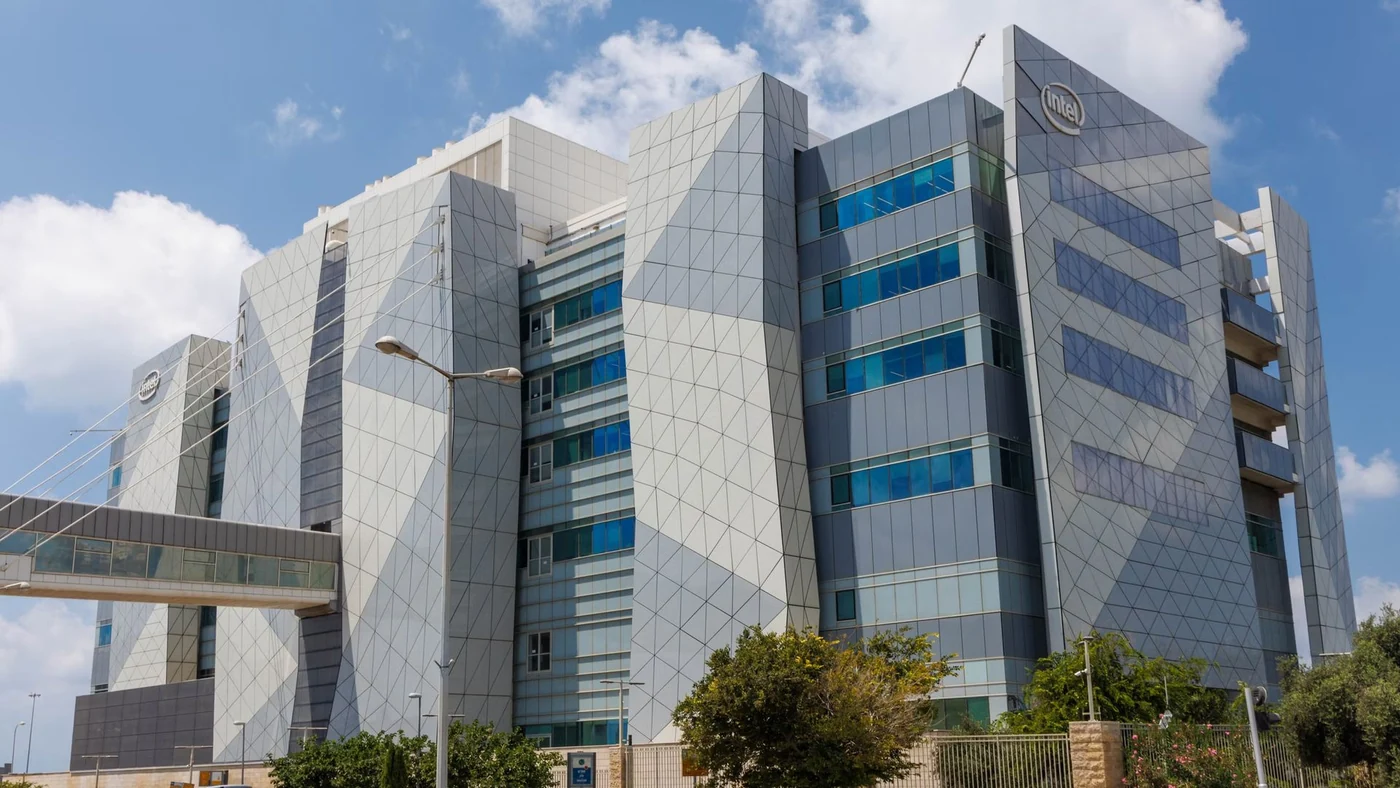
Although Intel operates multiple 10nm-capable facilities globally—including Fab 12, Fab 22, Fab 32, and Fab 42 in Arizona alongside Fab 28 in Israel—the company is already grappling with intense market demand for server processors. Consequently, leadership notes that output from other facilities cannot fully compensate for the sudden loss of production at Fab 28.
Intel has clarified that it will not repurpose product lines dedicated to creating Xeon 6 I/O dies to manufacture older-generation CPUs. Furthermore, other plants may lack the requisite product-specific manufacturing qualifications, or face prohibitive time and transfer costs to absorb the workload, especially given that Fab 28 is already preparing to resume operations.
Potential Impact on Consumer Processors
While Intel has emphasized that the shutdown predominantly affects 10nm-class server infrastructure, the corporation has not yet clarified whether the incident will also bleed into shipments of client processors produced on the Intel 7 process node.
This node is used to manufacture various client CPUs, including 12th, 13th, and 14th Generation Core processors like Raptor Lake. Because Intel has not specified whether Fab 28 handles these client lines or if alternative facilities can absorb the slack, potential availability constraints for certain consumer-facing processors remain an open question as detailed by <a href="https://www.tomshardware.com/pc-components/cpus/deadly-intel-fab-28-explosion-causes-two-week-shutdown-to-cost-usd600-million-and-severely-disrupt-server-chip-manufacturing-for-six-months-10nm-xeon-shipments-stall-during-largest-shortage-in-memory">Tom's Hardware</a>.
Sources
- Tom's HardwareDeadly Intel Fab 28 explosion causes two-week shutdown, to cost $600 million and severely disrupt server chip manufacturing for six months — 10nm Xeon shipments stall during largest shortage in memory
Continue chronologically

Related stories
Intel Shifts Production to Server CPUs Amid AI Demand
Intel reallocates manufacturing capacity from consumer to server CPUs to address unprecedented AI-driven demand and ongoing supply constraints.
Two Dead in Explosion at Intel's Chip Plant in Israel
An explosion at Intel's Kiryat Gat chip plant in southern Israel leaves two workers dead and another seriously injured, with police suspecting a gas cylinder malfunction.
Microsoft adds Intel APX support to Windows 11 Insider
Microsoft is preparing for future processors by introducing an early Advanced Performance Extensions setting for Windows 11 Insiders.

Gigabyte BIOS Update Hints at Intel Raptor Lake Next
Gigabyte's new BIOS update confirms Intel LGA 1700 processor support for B760 and H610 motherboards, pointing to an early 2027 launch.