AMD Bringing FSR 4 to Handhelds by End of Year
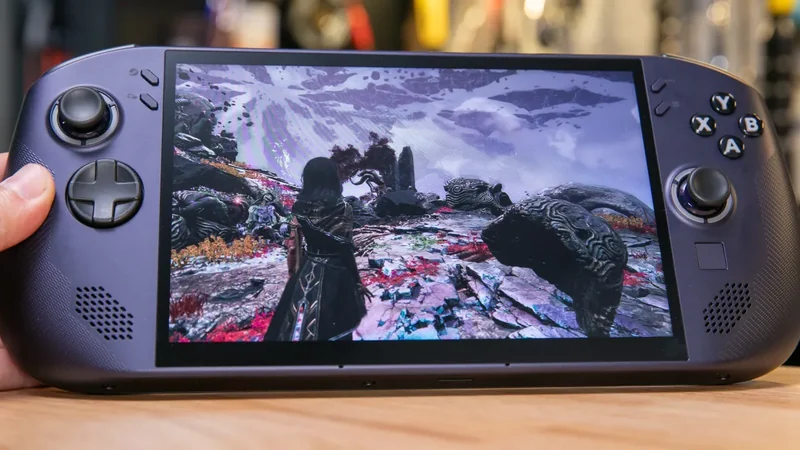
AMD consumer chip boss Jack Huynh has announced that the company plans to bring its machine learning AI-based FSR 4 upscaling technology to handheld devices by the end of the year.
 Radwan AbdulhadiEditor and technology writer
Expanding FSR 4 to Handhelds and APUs
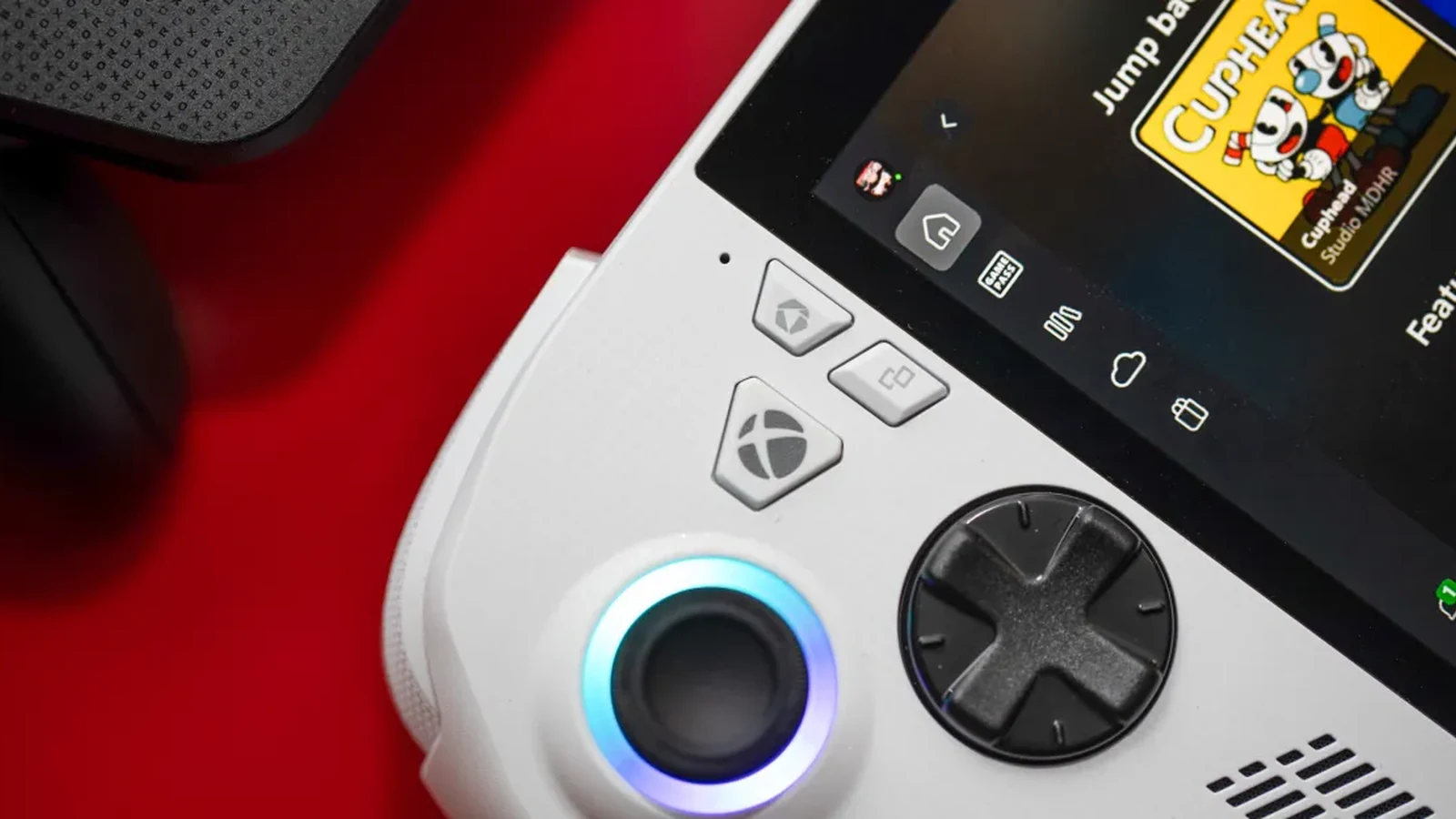
AMD consumer chip boss Jack Huynh has stated that the company will bring its machine learning AI-based FSR 4 upscaling technology to handheld devices by the end of the year. While gamers have already managed to run framerate-enhancing boosts on older devices like the Steam Deck, <a href="https://www.theverge.com/pc-gaming/944726/amd-just-reserved-the-right-to-disappoint-handheld-and-steam-machine-gamers">AMD reserved the right to disappoint handheld gamers</a> regarding official support for legacy hardware back in June.
Huynh revealed the expansion in an interview with <a href="https://www.thelec.kr/news/articleView.html?idxno=63427">Huynh told Korean publication The Elec</a> regarding AMD's upcoming hardware and software roadmaps. According to the statements, the technology will extend beyond its initial rollout for desktop graphics.
Two-Directional Strategy for New and Existing Silicon
During his statements to the press, Huynh detailed how the company intends to approach the rollout across its ecosystem. Previously, official commitments had been made primarily <a href="https://www.theverge.com/tech/930376/amd-fsr-4-expansion">for desktop graphics cards,</a> leaving laptop and handheld APUs in question.
The company plans to respond in two main directions by supporting existing APUs alongside brand-new product lines. Reports from industry publications indicate that a lightweight FSR 4 model for APUs could accompany newly released silicon before the conclusion of the year.
Hardware Requirements and Compute Limitations
Questions still remain regarding whether older portable gaming systems will receive the update or if consumers will need to purchase next-generation hardware. Industry observers have pointed toward <a href="https://www.theverge.com/games/1003593/steam-deck-2-is-amd-gainsborough-the-chip-valves-been-waiting-for">AMD’s leaked upcoming Ryzen Z3 and/or “Gainsborough” handheld chips</a> as potential prime candidates for fully optimized FSR 4 integration.
Earlier discussions involving AMD executives highlighted potential hardware constraints. When previously asked about bringing the technology to portable platforms, executive David McAfee <a href="https://www.tomsgauide.com/gaming/handheld-gaming/i-did-not-say-its-coming-we-spoke-to-amd-vp-david-mcafee-about-bringing-fsr-4-to-ryzen-handheld-to-catch-up-to-intel-arc-g3">told Tom’s Guide</a> that ensuring the right user experience and maintaining adequate compute power within a given product were vital prerequisites for the upscaler.
Broader Ecosystem and Industry Context
While Valve previously collaborated with AMD to <a href="https://www.theverge.com/games/952210/valve-steam-machine-fsr4-amd-upscaler">bring FSR 4 to the Steam Machine</a> utilizing console-grade hardware, the company has not yet confirmed a similar official path for its legacy handheld line.
AMD has not yet provided further clarification on Huynh's statements regarding the exact compatibility list for legacy devices. As the portable PC market continues to evolve alongside competitor offerings like Intel's upscaling technology, further announcements regarding specific chip compatibility are expected closer to the year-end launch window.
Sources
- The VergeAMD will bring FSR 4 to handhelds by the end of 2026
Continue chronologically
Related stories
Mysterious AMD Zen 6 APU Surfaces With 24GB LPDDR5 Memory
A new AMD engineering sample featuring a Zen 6 APU, six CPU cores, and 24GB of LPDDR5 memory has appeared in benchmarks, hinting at future handhelds.
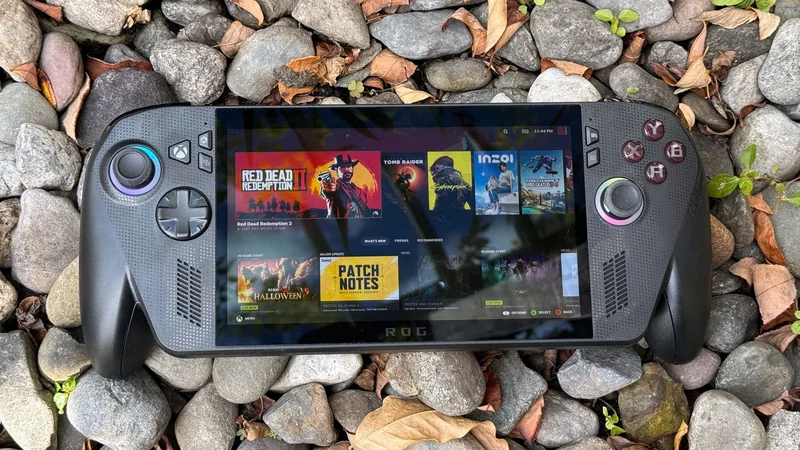
AMD Bringing FSR 4.1 Upscaling to Xbox and Handhelds
AMD announces that its FSR 4.1 upscaling technology is coming to Xbox Series X and S consoles, laptops, older GPUs, and handheld devices.
Gears of War E-Day Pushes Unreal Engine 5 CPU Limits
An in-depth benchmark of 25 Intel and AMD processors reveals that Gears of War E-Day is an uncharacteristically CPU-heavy Unreal Engine 5 title.
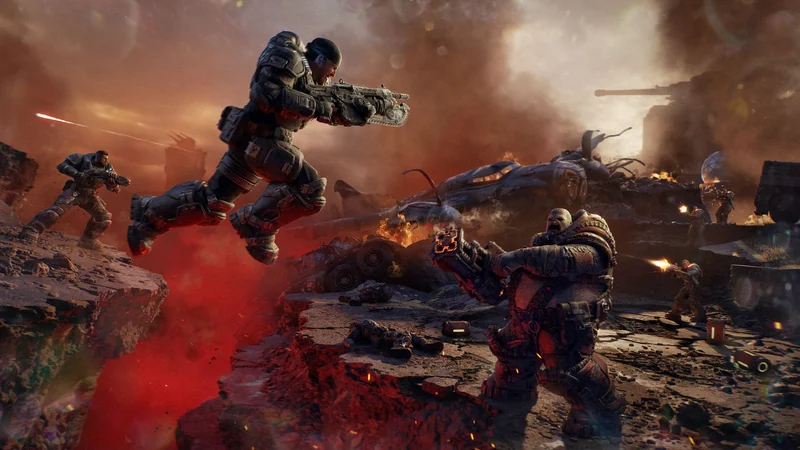
Lenovo Legion Go S SteamOS Handheld Discounted
The Lenovo Legion Go S with SteamOS and an AMD Ryzen Z1 Extreme processor is currently seeing a significant price drop at Best Buy.