Mysterious AMD Zen 6 APU Surfaces With 24GB LPDDR5 Memory
A mysterious AMD engineering sample has surfaced in recent benchmark listings, featuring a next-generation processor architecture and high-speed memory configuration.
 Radwan AbdulhadiEditor and technology writer
AMD Engineering Sample Appears in Benchmarks
A mysterious AMD engineering sample has made a notable appearance in a listing on OpenBenchmarking. According to a report by TechPowerUp, the chip could potentially be a part of AMD’s upcoming Gainsborough family. Detailed information regarding this discovery was highlighted in coverage by Tom's Hardware.
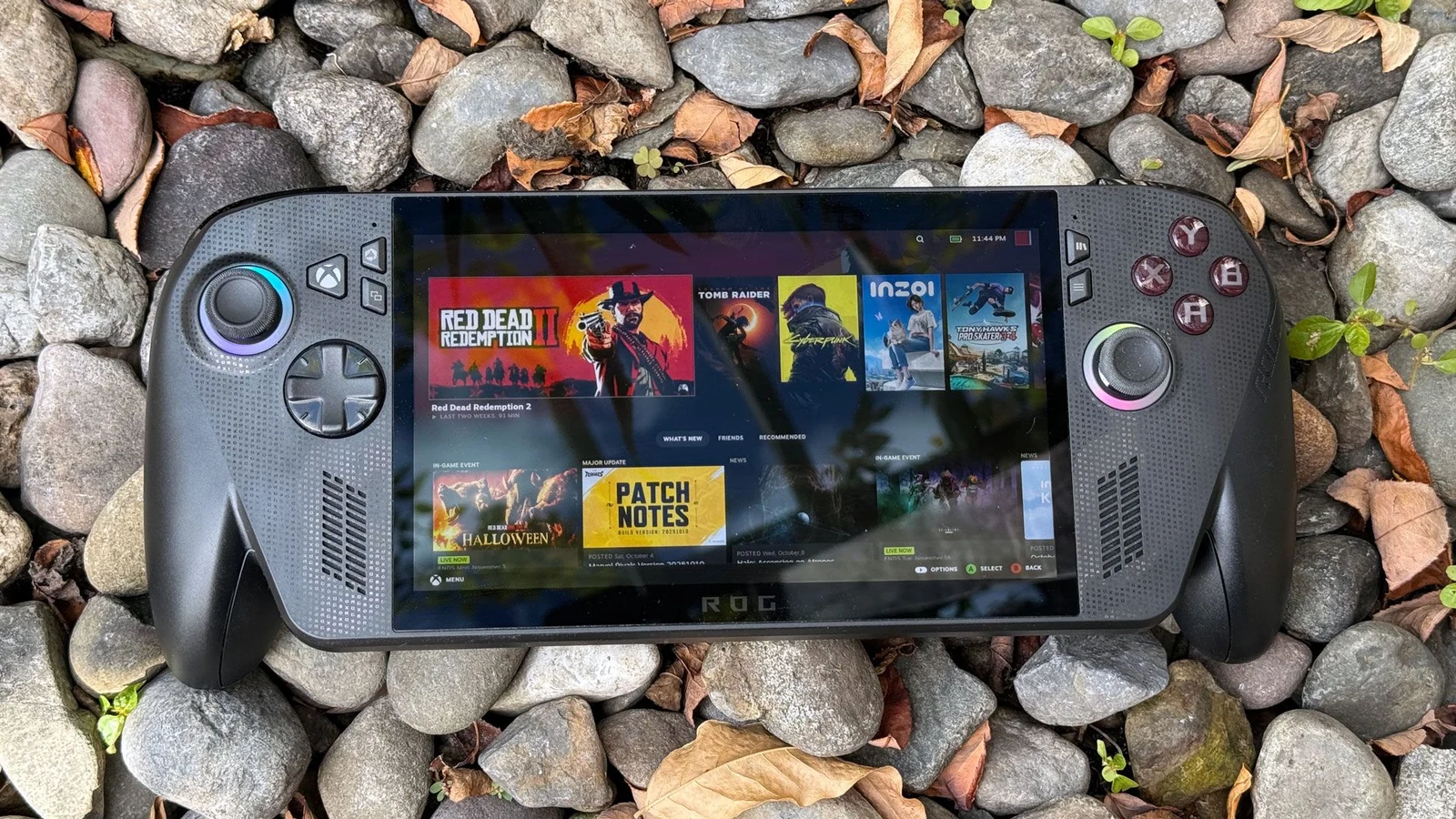
The appearance of this silicon has sparked speculation across the hardware community regarding its intended applications. Many industry observers are analyzing whether the component could serve as a candidate for a potential successor to the popular Steam Deck handheld console.
Detailed Specifications and Memory Configuration
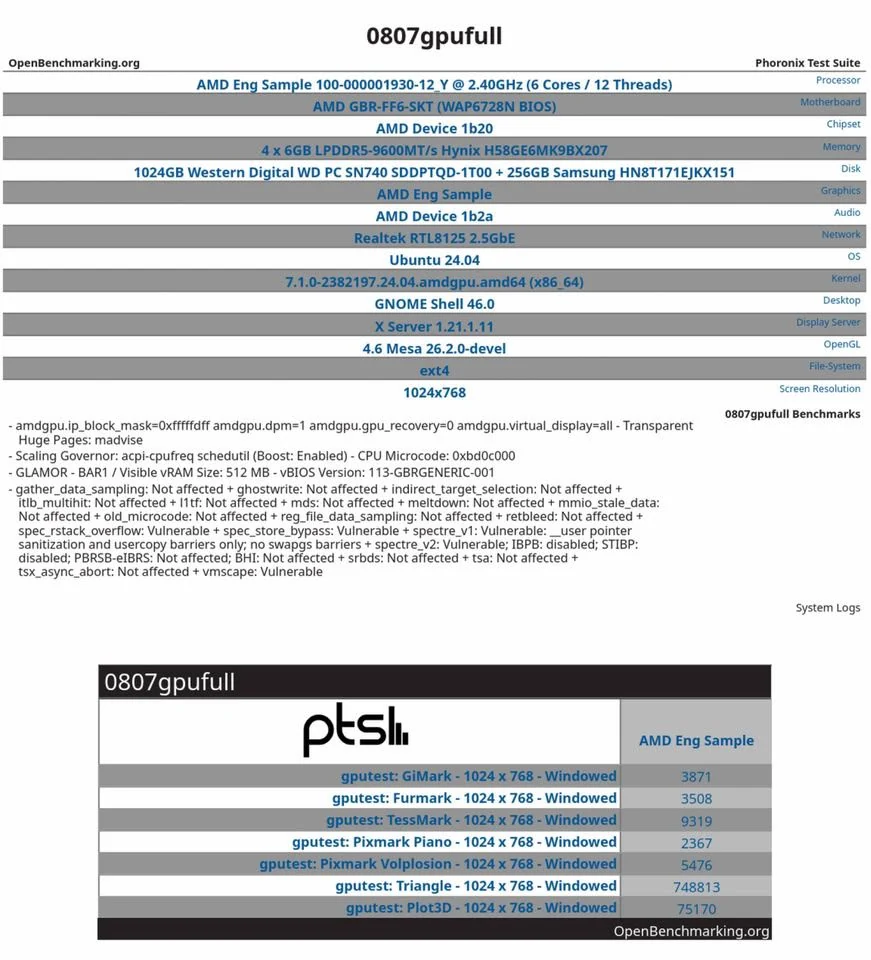
As outlined in the OpenBenchmarking data, the unidentified chip comes equipped with a six-core, 12-thread processor layout. The engineering sample carries part number 100-000001930-12_Y and was evaluated on an AMD GBR-FF6-SKT validation board running at a base clock speed of 2.4 GHz.
Furthermore, the system incorporates four 6GB SK Hynix memory modules, resulting in a total capacity of 24GB of LPDDR5 memory operating at 9,600 MT/s. This configuration represents a substantial architectural step forward compared to the original Steam Deck hardware.
Insights into Zen 6 Architecture Clues
The benchmark entry also offers valuable insights regarding the underlying microarchitecture of the processor. Notebookreport and Linux kernel changes suggest that the chip's microcode revision corresponds to AMD’s Family 1Ah, model DCh.
This specific designation places the model squarely within the register range reserved for newer Zen 6 processors. Consequently, industry analysts believe the Gainsborough platform relies on AMD’s next-generation processing technology, though it remains unconfirmed whether it utilizes standard Zen 6 cores or the denser Zen 6C variant.
Graphics Performance and Testing Environment
In addition to the central processing unit, the integrated graphics processor is listed with a running clock speed of 2,400 MHz. However, the precise architecture and total compute unit count of the graphics engine have not been publicly disclosed.
The hardware sample underwent evaluation using the GpuTest benchmark suite on an Ubuntu 24.04 operating system environment at a resolution of 1024 by 768 pixels. The testing yielded scores of 3,871 in GiMark, 3,508 in FurMark, and 9,319 in TessMark.
Context and Future Handheld Speculation
While the FurMark score shows performance comparable to older generation hardware, tech specialists advise caution against drawing definitive conclusions. These tests were conducted on an early engineering platform using development software rather than a finalized, consumer-ready device.
Real-world gaming performance in a compact form factor heavily depends on variables such as power constraints, thermal management solutions, mature drivers, and the final GPU configurations. Neither AMD nor Valve has officially acknowledged any direct link between the Gainsborough family and future portable gaming hardware.
Sources
- Tom's HardwareMysterious AMD Zen 6 APU with 24GB of LPDDR5 memory appears in benchmarks — chip may be for next-gen Steam Deck or gaming handhelds
Continue chronologically
Related stories
AMD Bringing FSR 4 to Handhelds by End of Year
AMD consumer chip boss Jack Huynh confirms that machine learning AI-based FSR 4 upscaling technology will expand to handheld devices by the end of 2026.
AMD Surpasses $1 Trillion Market Cap Milestone
AMD has officially joined the elite trillion-dollar market cap club, outpacing Intel following a significant surge in stock price fueled by data center demand.

How to Boost GPU Performance Without Buying New
Learn how to optimize your older graphics card, utilize AI supersampling, and maintain your PC hardware to boost gaming frame rates without upgrading.

Why the Xbox Series S Remains Far Cheaper Than the Series X
Discover why the Xbox Series S is significantly more affordable than the Series X, exploring hardware differences, performance, and storage capabilities.