AMD and Intel Team Up to Simplify x86 AI Development
AMD and Intel are collaborating to combine their x86 CPU optimization work for PyTorch in oneDNN, establishing a common software path for developers building AI workloads.
 Radwan AbdulhadiEditor and technology writer
Unifying x86 AI Development
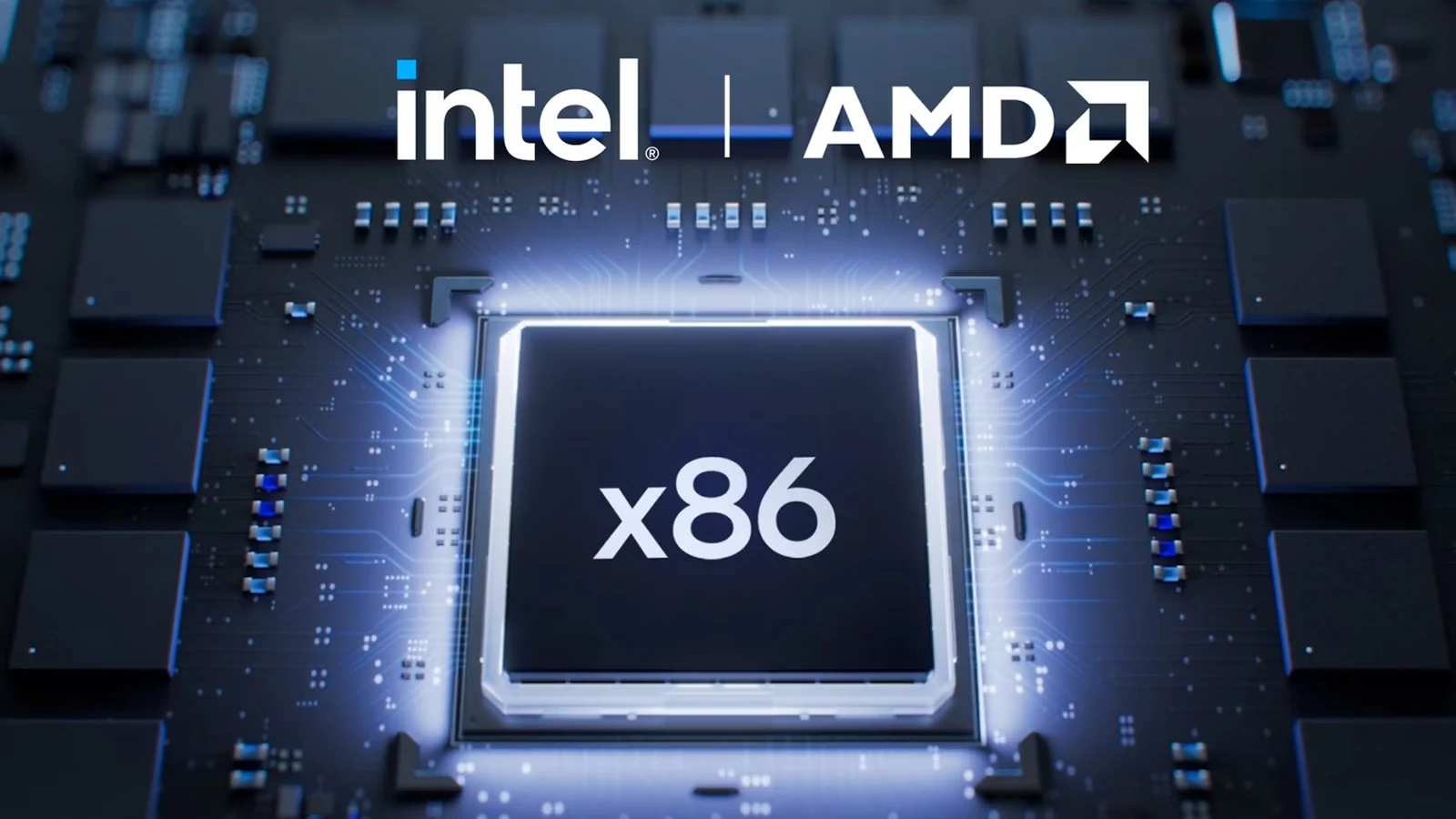
AMD and Intel are collaborating to combine their x86 CPU optimization work for PyTorch in oneDNN, an open-source deep learning library governed by the Unified Acceleration Foundation (UXL) that helps AI workloads run efficiently on CPUs. According to the <a href="https://www.intel.com/content/www/us/en/newsroom/news/data-center/amd-intel-simplify-x86-ai-development-with-pytorch.html">Intel Newsroom</a>, this collaboration gives developers a common software path for optimized AI workloads across AMD and Intel CPUs.
The initiative aims to reduce fragmentation in the x86 AI ecosystem, making PyTorch applications easier to build, maintain, and deploy across various x86 systems. Developers will now have one place to access CPU optimizations for PyTorch across processors from both companies, delivering a more consistent development experience across x86 platforms.
Adopting oneDNN as the Default Library
Following a recommendation from the x86 Ecosystem Advisory Group, AMD and Intel have aligned on oneDNN as the default open-source library for x86 acceleration within PyTorch. As part of this transition, AMD is integrating its ZenDNN optimizations into oneDNN.
To further advance this work through open collaboration, AMD has officially joined the UXL Foundation as a Steering Member. Joint investments in oneDNN are designed to reduce software fragmentation while accelerating support for current and future x86 AI capabilities.
Next-Generation Architecture and Industry Perspective
Beyond current software alignment, the companies are actively <a href="https://x86ecosystem.org/wp-content/uploads/2026/03/ACE-Whitepaper-v1.pdf">collaborating on AI Compute Extensions</a>, representing a next-generation instruction set architecture for x86. This architecture is designed to accelerate matrix multiplication, with future support planned for integration within PyTorch through subsequent oneDNN updates.
Industry leaders have expressed strong support for the initiative. Jeff McVeigh, vice president and general manager of Data Center Strategic Programs at Intel, noted that developers should not have to think about separate software paths to extract the best performance from an x86 CPU. Working with AMD through oneDNN gives the PyTorch community a consistent approach for modern processors.
Ecosystem Impact and Open Source Support
Robert Hormuth, corporate vice president of Architecture and Strategy at AMD, stated that the company is advancing an open software ecosystem that grants developers greater choice and simplifies high-performance AI application development across x86 processors.
Red Hat representatives also welcomed the announcement. Stephen Watt, vice president in the Office of the Chief Technology Officer, distinguished engineer, and PyTorch ambassador at Red Hat, emphasized that open source innovation thrives when the developer and operational experience is seamless and unified. He highlighted that AMD and Intel coming together to standardize x86 CPU optimizations through oneDNN in PyTorch marks a major step forward in eliminating ecosystem fragmentation.
Sources
- Intel NewsroomAMD and Intel Collaborate to Simplify AI Development on x86 CPUs Using PyTorch
Continue chronologically

Related stories
AMD and Intel Unite PyTorch CPU AI Code Paths
AMD and Intel are collaborating to integrate their CPU optimizations for PyTorch under the unified oneDNN library, simplifying AI development on x86 chips.
Intel's Gloomy PC Outlook Triggers $1 Trillion Chip Market Wipeout
Intel shares plunge 30% after a weak PC outlook, erasing $150 billion and sparking a wider semiconductor market bloodbath across the industry.
Modal Adopts Nvidia Vera CPUs After Internal Tests Show 2X Gains
AI startup Modal plans to deploy Nvidia Vera CPUs following internal tests that showed a 2x throughput advantage over current Intel and AMD processors.
Decade-Old DDR4 RAM Makes Comeback Amid Price Hikes
Intel and AMD are reviving support for older DDR4 memory and platforms as severe RAM price hikes make modern DDR5 upgrades too expensive for many PC users.