AMD and Intel Unite PyTorch CPU AI Code Paths
In a joint effort to simplify artificial intelligence development on x86 processors, hardware rivals AMD and Intel are combining their PyTorch CPU optimization efforts into a single unified code path.
 Radwan AbdulhadiEditor and technology writer
Unifying x86 AI Development
In a significant cooperative move between competing x86 chipmakers, Intel and AMD are integrating their respective CPU optimizations for PyTorch into a single, unified library. According to reporting by Tom's Hardware, the collaboration brings tuning for both Intel and AMD processors under the open-source oneDNN library, which is published by the UXL Foundation and driven by Intel.
As part of this consolidation, AMD is moving its downstream version of oneDNN, historically <a href="https://github.com/amd/ZenDNN">called ZenDNN</a>, directly into the primary open-source project. This alignment is intended to make artificial intelligence development and deployment on standard desktop and server processors significantly more straightforward for developers utilizing the PyTorch framework.
The Role of the x86 Ecosystem Advisory Group
AMD announced that the initiative to unify these development efforts under oneDNN was initially recommended by the x86 Ecosystem Advisory Group (EAG). Established as a joint initiative primarily between Intel and AMD in 2024, the EAG aims to foster closer alignment on the x86 instruction set architecture and related software ecosystems.
This latest cooperation follows earlier joint efforts facilitated through the advisory group, including the introduction of the ACE extensions for x86 earlier in the year. By finding common cause in software code optimization, both companies seek to reduce fragmentation in the developer ecosystem.
Expanding Leadership in the UXL Foundation
Alongside the code integration, <a href="https://newsroom.amd.com/news/amd-intel-collaborate-simplify-ai-development-on-x86-cpus-pytorch/?utm_source=superpowerdaily-com&utm_medium=referral&utm_campaign=amd-and-intel-agree-to-combine-pytorch-cpu-optimizations-in-one-library&utm_content=article-link-2">AMD also announced</a> that it is joining the UXL Foundation as a steering member. In this capacity, AMD will help influence the strategic future of the foundation in exchange for a contribution of $20,000 per year.
Intel originally developed oneDNN on top of prior deep learning libraries before the technology was folded into the UXL Foundation. Intel stands as one of the founding members of the foundation alongside other industry giants like Arm, Qualcomm, and Google Cloud.
Technical Benefits for AI Inference
The oneDNN backend is utilized for CPU inference, engineered to accelerate demanding workloads for modern Intel and newly supported AMD chips within frameworks like PyTorch. When oneDNN was initially introduced as a backend to PyTorch in late 2023, performance metrics showed a notable 1.24x improvement utilizing the Float32 data type and an even stronger 2.21x boost for the BFloat16 data type.
According to documentation from the oneDNN project repository, the library dynamically detects underlying hardware features at runtime to generate highly optimized instruction kernels for the specific platform. Furthermore, it supports low-precision data types and optimizes common machine learning operations such as matrix multiplication and convolution.
Developer Impact and Future Outlook
For software engineers and developers, the consolidation of these code paths simplifies cross-system compatibility. It ensures that a single backend can supply the proper hardware-specific optimizations regardless of whether the underlying processor carries an Intel or AMD brand.
While this announcement focuses heavily on the x86 architectural domain, oneDNN is fundamentally a cross-platform library capable of running on alternative architectures including Arm and RISC-V. However, industry analysts note that similar cooperative code paths have not yet materialized for discrete graphics processing units, where competing architectures and software stacks continue to diverge.
Sources
- Tom's HardwareAMD and Intel will work together to create a single PyTorch code path for AI inference on CPUs
Continue chronologically
Related stories
AMD and Intel Team Up to Simplify x86 AI Development
AMD and Intel are collaborating to combine their x86 CPU optimization work for PyTorch in oneDNN, reducing software fragmentation.
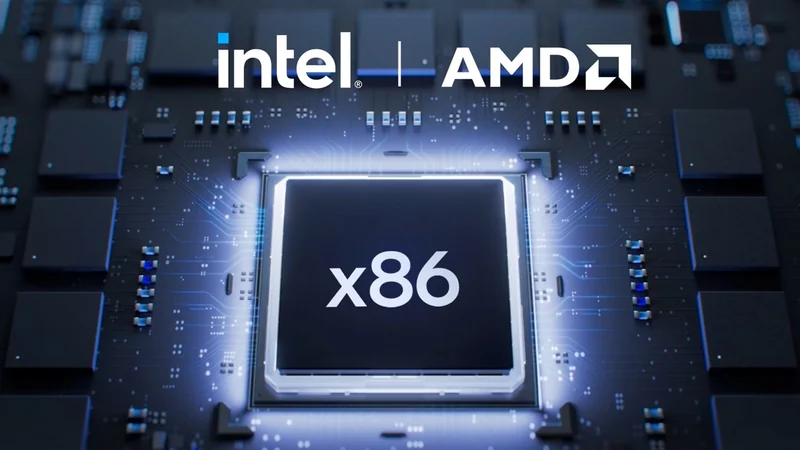
Intel's Gloomy PC Outlook Triggers $1 Trillion Chip Market Wipeout
Intel shares plunge 30% after a weak PC outlook, erasing $150 billion and sparking a wider semiconductor market bloodbath across the industry.
Modal Adopts Nvidia Vera CPUs After Internal Tests Show 2X Gains
AI startup Modal plans to deploy Nvidia Vera CPUs following internal tests that showed a 2x throughput advantage over current Intel and AMD processors.

Decade-Old DDR4 RAM Makes Comeback Amid Price Hikes
Intel and AMD are reviving support for older DDR4 memory and platforms as severe RAM price hikes make modern DDR5 upgrades too expensive for many PC users.