Decade-Old DDR4 RAM Makes Comeback Amid Price Hikes
Enduring RAM price hikes are pushing CPU manufacturers to reintroduce support for older, more affordable memory standards.
 Radwan AbdulhadiEditor and technology writer
The Return of Last-Gen Memory Standards
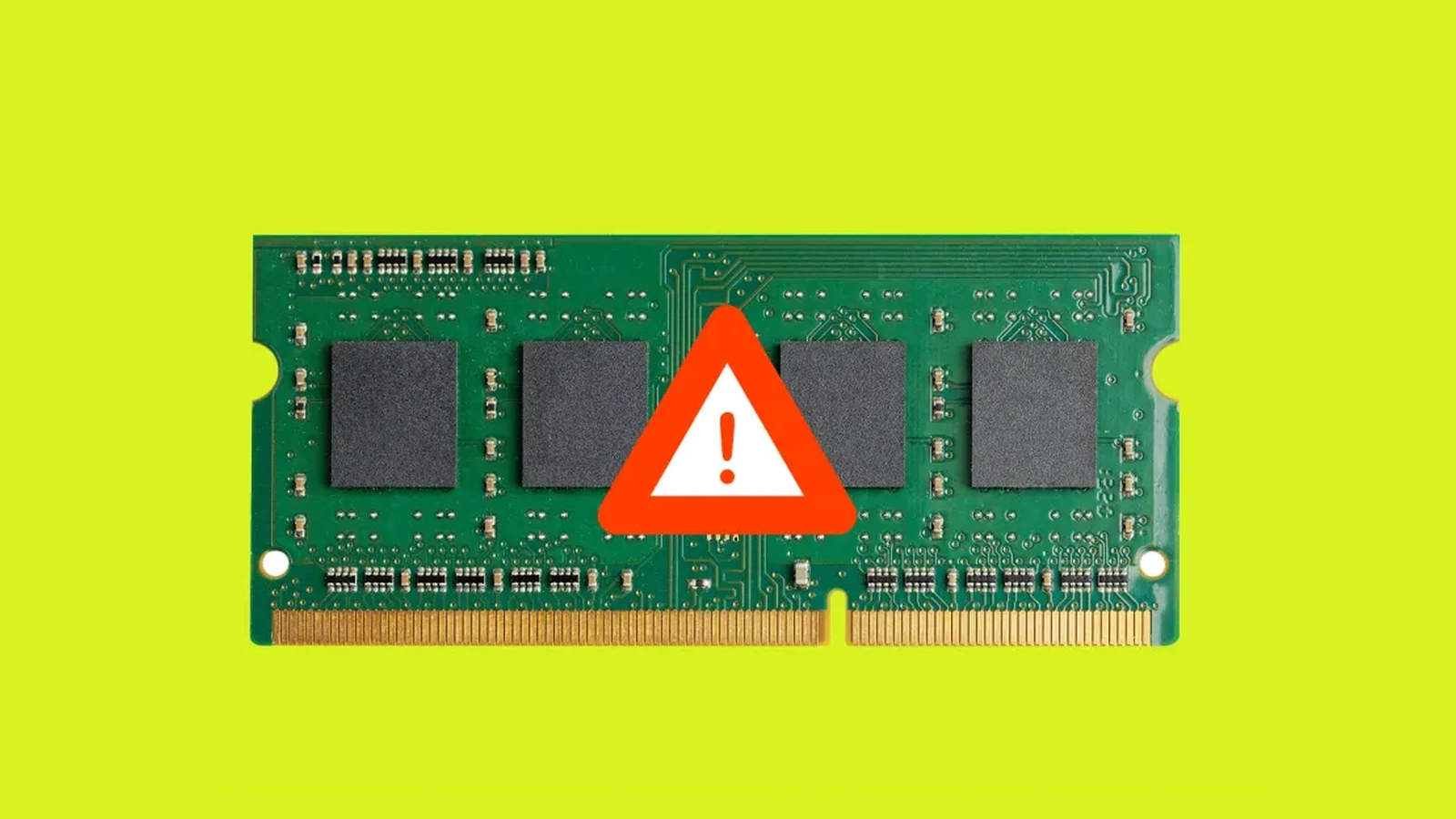
As continuing market pressures make upgrading personal computers increasingly difficult, major CPU makers have noticed that unending RAM price hikes are creating significant hurdles for users. Their solution involves a surprising return to last-gen DDR4 memory. Both Intel and AMD are working on new processors designed to support this older, more affordable type of memory, allowing consumers to bypass the high costs associated with modern system upgrades.
The memory market has faced severe volatility, which has been extensively documented in coverage tracking the ongoing memory crisis. For more details on the broader situation, readers can examine reports covering Part Of RAM price hikes: the latest on the global memory shortage see all updates.
Intel and the LGA 1700 Socket Revival
Hardware manufacturers are already moving to accommodate this shift in strategy. Gigabyte announced that two of its motherboard lines will support upcoming processors built on Intel’s LGA 1700 socket. This specific socket originally debuted back in 2021 alongside 12th gen Alder Lake CPUs, offering initial support for both DDR4 memory and the then-new DDR5 standard.
Although Intel eventually shifted toward a strictly DDR5-oriented approach in 2024, industry updates indicate that dual format support is now being brought back. New chips utilizing the LGA 1700 socket are expected to launch in early 2027, giving users a way to upgrade processors without being forced to abandon their existing DDR4 memory modules.
AMD Follows Suit With AM4 Platform Support
Intel is not alone in adapting its hardware roadmap to counter high memory costs. AMD is pursuing a similarly practical strategy for its user base. Earlier in August, Gigabyte also announced a new series of motherboards tailored for AMD’s last-gen, DDR4-compatible AM4 platform, aligning with hardware updates such as the relaunch of the Ryzen 7 5800X3D.
By maintaining compatibility with older sockets and chipsets, both primary CPU vendors are attempting to alleviate financial pressure on builders who find themselves priced out of contemporary memory ecosystems.
Comparing DDR4 and DDR5 Market Realities
DDR4 memory originally entered the market in 2014 and has since been succeeded by much faster DDR5 technology. Under normal economic circumstances, investing in new hardware designed to utilize technology that is over a decade old would be considered an inefficient choice. However, the current RAM shortage has fundamentally altered component mathematics.
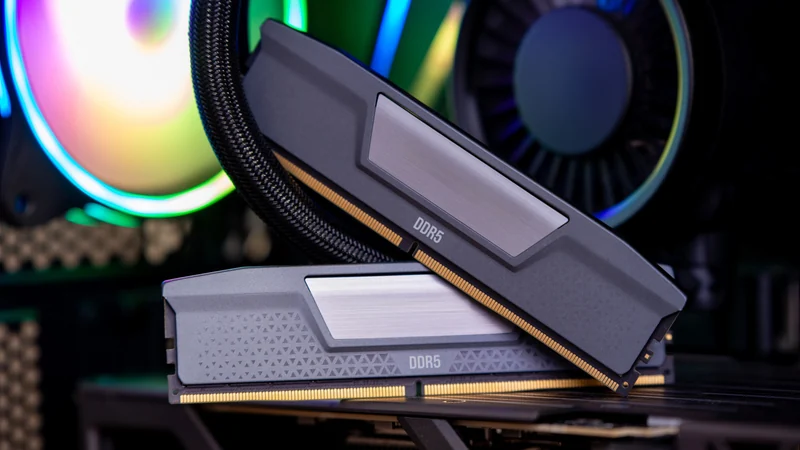
Market friction has impacted DDR5 far more severely than older standards. For example, buyers looking at current hardware options might compare a high-end DDR5 32GB Corsair Vengeance RAM kit with its corresponding DDR4 kit. The price disparity reveals that newer memory standards command a massive premium, making the performance advantages of DDR5 difficult to justify for budget-conscious consumers.
Broader Hardware Implications
The broader memory shortage crisis continues to influence the wider technology landscape, affecting not only system memory but also related hardware components. Analysts note that supply chain constraints and high demand have rippled across multiple categories, driving up prices for various essential PC parts.
With elevated pricing expected to persist for an extended period, the official return of older sockets and chipsets offers a pragmatic lifeline for system builders. While new platforms offer undeniable speed and power efficiency gains, holding onto or adopting DDR4 infrastructure has re-emerged as a viable path for affordable computing.
Sources
- The VergeDecade-old RAM is making a comeback
Continue chronologically

Related stories
Intel Reportedly Launching New CPUs on Older Sockets for DDR4
Intel is reportedly preparing to release new processors on the older LGA 1700 socket to support cheaper DDR4 memory amid high RAM prices.
Gigabyte BIOS Update Hints at Intel Raptor Lake Next
Gigabyte's new BIOS update confirms Intel LGA 1700 processor support for B760 and H610 motherboards, pointing to an early 2027 launch.
How much does DDR5 RAM speed matter for gaming?
Explore how memory bandwidth and latency impact gaming frame rates, and whether high-end DDR5 RAM speeds are genuinely worth the extra cost.
Geekom Launches Fall Tech Week Mini PC Sales With Up To $730 Off
Geekom's Fall tech week and Amazon sales feature discounts on up to 13 mini PCs, with both AMD and Intel options starting at $284.