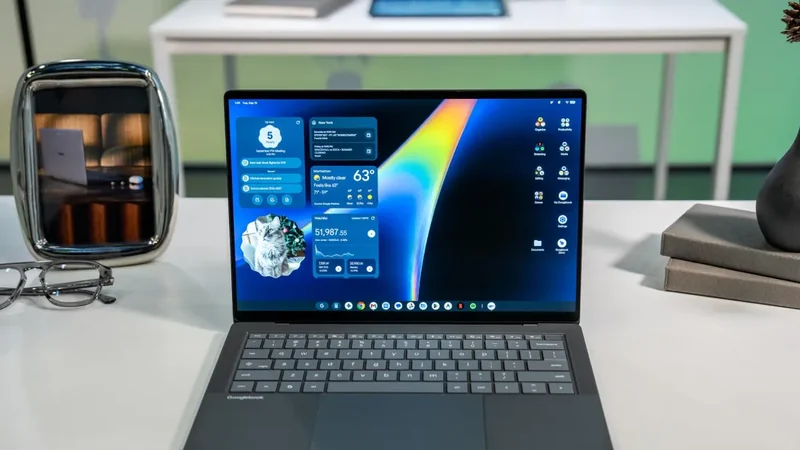
PC Makers Shift Manufacturing Back to China Amid AI Cost Hikes
Facing steep component hikes driven by the artificial intelligence boom, major PC manufacturers are returning a portion of their manufacturing capacity to China to secure lower production costs.
 Radwan AbdulhadiEditor and technology writer
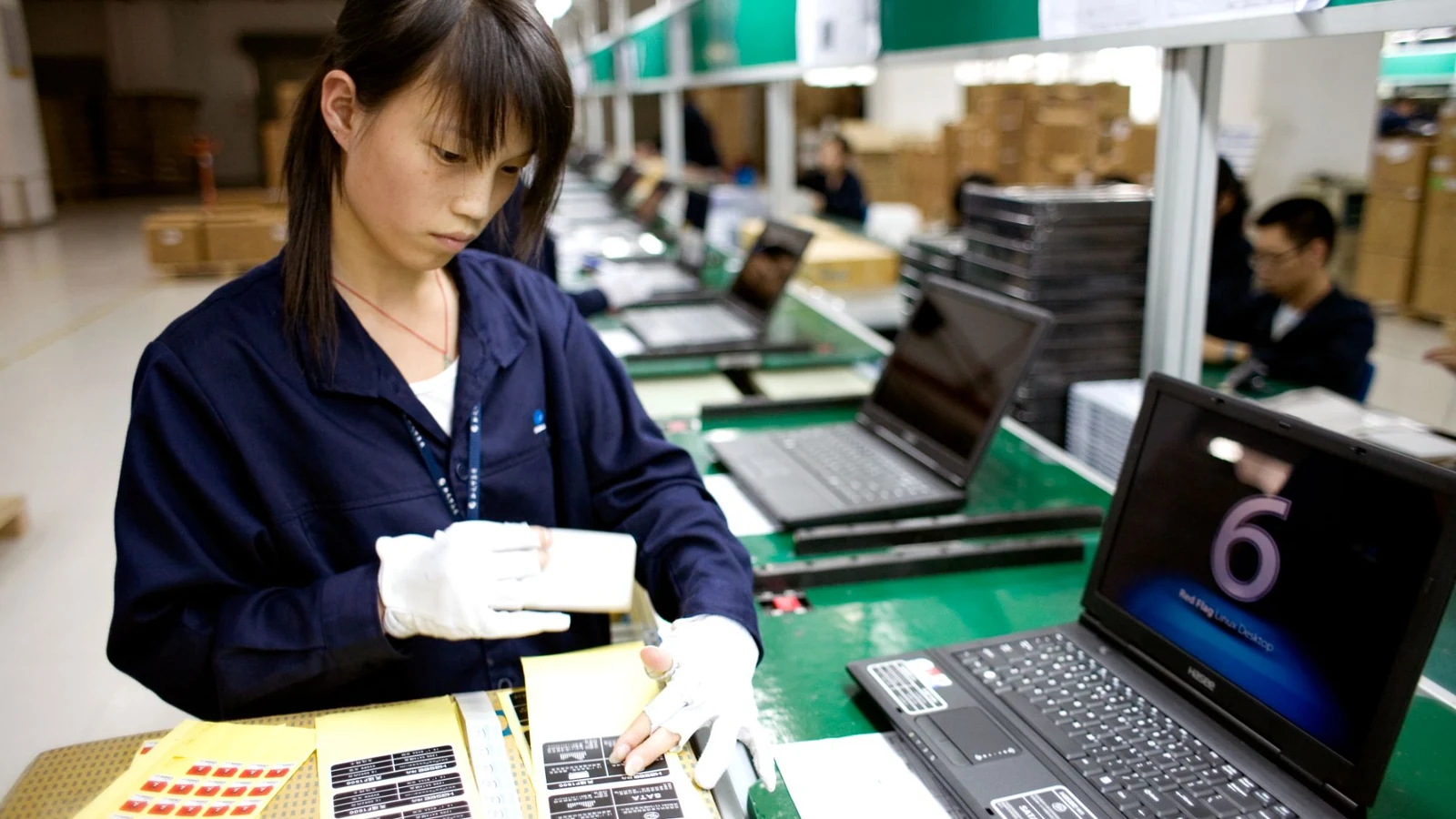
AI-Driven Component Hikes Fuel Return to China
Major personal computer manufacturers, including HP, Asus, and Acer, have reportedly moved some of their manufacturing capacity back into China as surging component costs—accelerated heavily by the artificial intelligence boom—continue to squeeze profit margins, according to reporting by Nikkei Asia.
The primary catalyst behind these rising bills of materials is an AI-induced memory and storage chip shortage, which has sent memory prices climbing by an unprecedented 500% over a 12-month period. Additionally, other essential materials like printed circuit boards (PCBs) and fiberglass cloth used in motherboards are seeing substantial price increases. Acer chairperson and CEO Jason Chen recently criticized suppliers for hyping shortage fears to protect their own margins.
Partnering with Smaller Chinese Contract Manufacturers
Rather than returning to traditional suppliers like Foxconn—many of whom have concentrated their production capacity on building high-demand AI servers—major PC brands are turning to smaller Chinese contract manufacturers to handle the incoming orders.
Companies such as Luxshare, Huaqin Technology, and Longcheer Technology are aggressively picking up orders by offering easier access to domestic chipmakers like CXMT. According to details shared with Tom's Hardware, these emerging contract suppliers are successfully marketing themselves as reliable alternatives to help brands navigate and secure components within the established local supply chain.
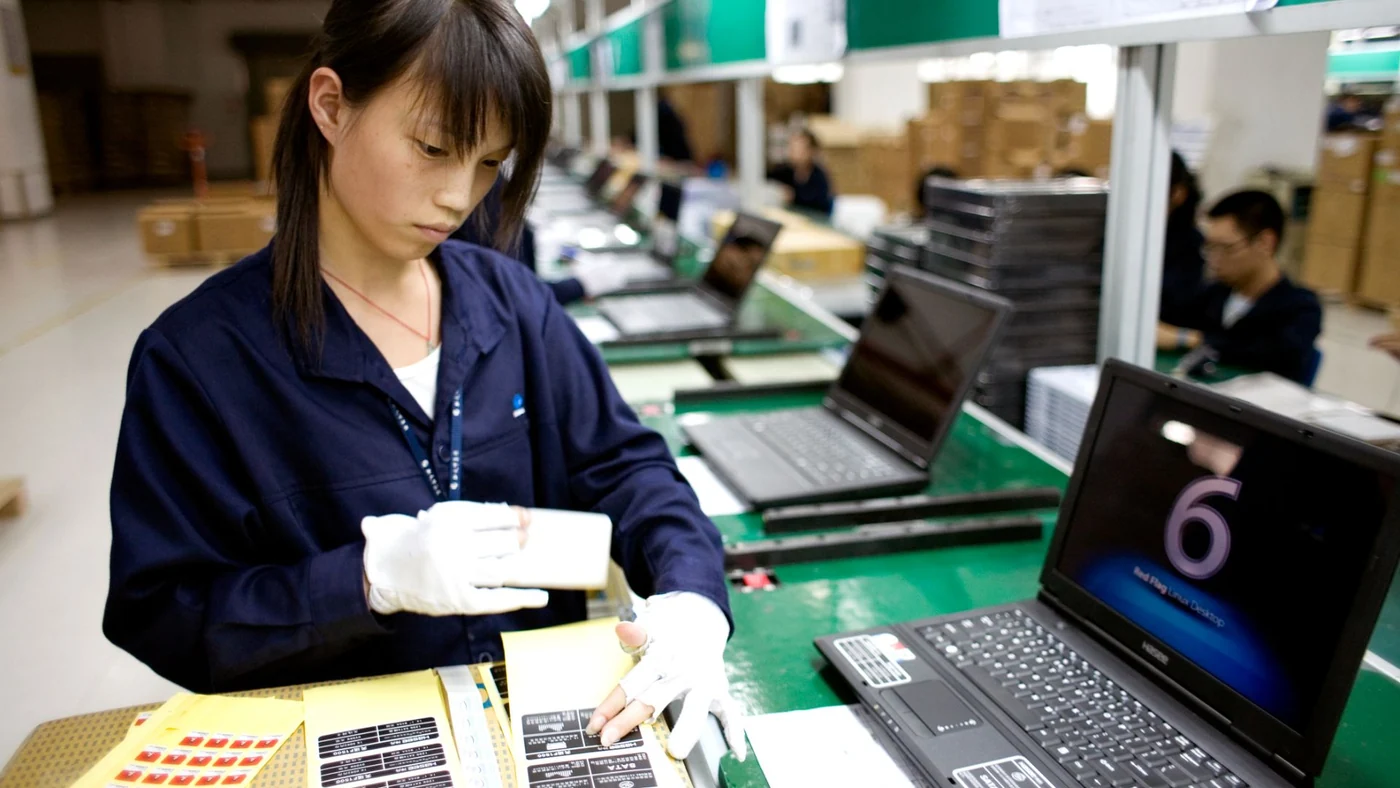
Navigating the "China+1" Strategy and Regional Impacts
Throughout 2024 and 2025, many PC brands gradually relocated operations out of China to mitigate risks associated with U.S. sanctions, tariffs, and growing geopolitical tensions. Although these alternative nations lacked the mature expertise and extensive supply chains found in mainland China, diversification was heavily prioritized to spread geopolitical risk.
Despite these ongoing "China+1" diversification strategies, the sheer pressure of rising component expenses has forced companies to re-evaluate their footprints. Leveraging China's experienced workforce, lower production costs, and established ecosystem has become essential for maintaining competitive pricing in the consumer market.
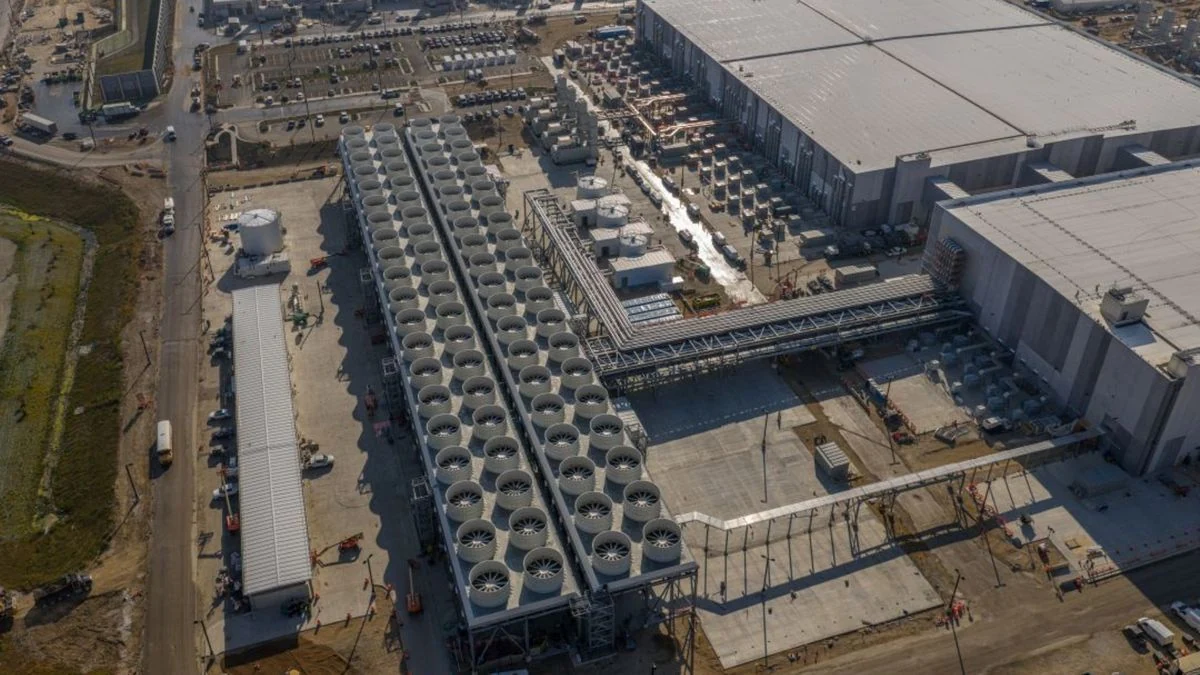
Impact on Southeast Asian Production Lines
The sudden redirection of manufacturing orders back to China has dealt a heavy blow to newly established supply chains across Southeast Asia. Component suppliers who heavily invested in infrastructure outside of mainland China are now experiencing severe downstream consequences.
A manager at a PC component supplier told reporters that despite building two new production lines in Thailand specifically for PC clients, substantial orders are already being pulled back to China. Because these new facilities have not yet turned profitable, suppliers are facing deep uncertainties over when or if those orders will return.
The High Cost of Supply Chain Independence
Building independent PC manufacturing supply chains from scratch remains a notoriously slow and expensive undertaking. While the United States has spent years attempting to cultivate local hardware production, progress has been limited. For instance, companies like Anduril have attempted to manufacture domestic hardware with high percentages of component costs tied to allied nations, but those specialty devices ultimately run about 20% more expensive than standard market competition.
Because specialized, high-cost local manufacturing is generally only viable for critical industries demanding strict security—such as defense and government sectors—consumer-focused PC manufacturers remain heavily incentivized to seek out the lowest possible production costs in order to remain competitive.
Sources
- Tom's HardwareAI component hikes force the world's largest PC makers to return manufacturing capacity to China
Continue chronologically

Related stories
PC Shipments Tumble Over 20% in 3Q26 Amid Chip Shortages
Global PC shipments plunged 20.1% year-over-year in the third quarter of 2026 as memory chip shortages and soaring prices disrupted the market.
Evaluating Googlebooks and the New Android Laptop OS
An evaluation of Googlebooks and the new Android-powered laptop operating system, examining hardware, setup, and current software limitations.
Googlebooks Emerge Alongside Traditional Chromebook Models
Google introduces the new Googlebooks laptop line running a custom version of Android, while traditional Chromebooks remain in the ecosystem.
Google Admits Intel Googlebooks Face Android App Issues
Google acknowledges that Intel-based Googlebooks may encounter performance issues with a small handful of Android apps upon launch.