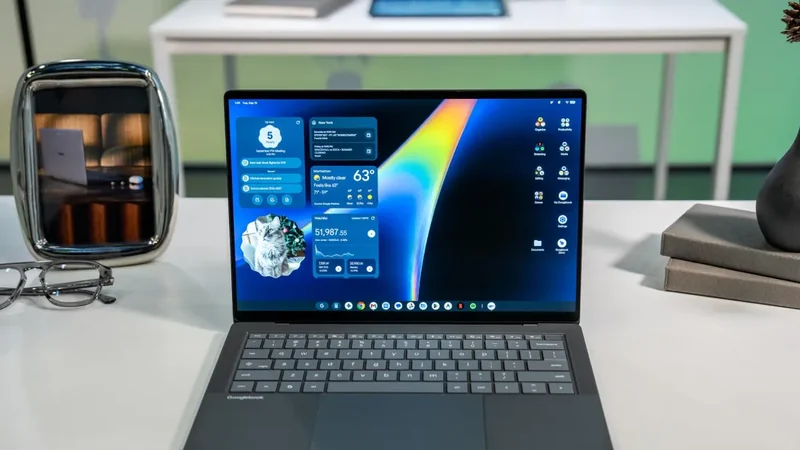
PC Shipments Tumble Over 20% in 3Q26 Amid Chip Shortages
Global personal computer shipments fell steeply in the third quarter of 2026, driven by persistent memory chip constraints and shifting inventory trends among major hardware vendors.
 Radwan AbdulhadiEditor and technology writer
Severe Decline in Global PC Shipments
Global PC shipments experienced a severe downturn in the third quarter of 2026, dropping by 20.1% year-over-year, according to data from IDC Global. This decline resulted in a reduction of 15.8 million units compared to the same period in the previous year. As detailed in the comprehensive report by Tom's Hardware, the market performance represents a marked escalation from the 3.8% year-over-year decrease recorded in the previous quarter, as well as a 9.1% drop from the second quarter of 2026.
Industry analysts note that early forecasts from late last year indicated the market could shrink significantly. Earlier warnings highlighted that the PC market could shrink up to 9% due to skyrocketing RAM pricing and supply chain bottlenecks, with the budget sector bearing the brunt of the market adjustments.
AI Data Centers and Memory Market Pressures
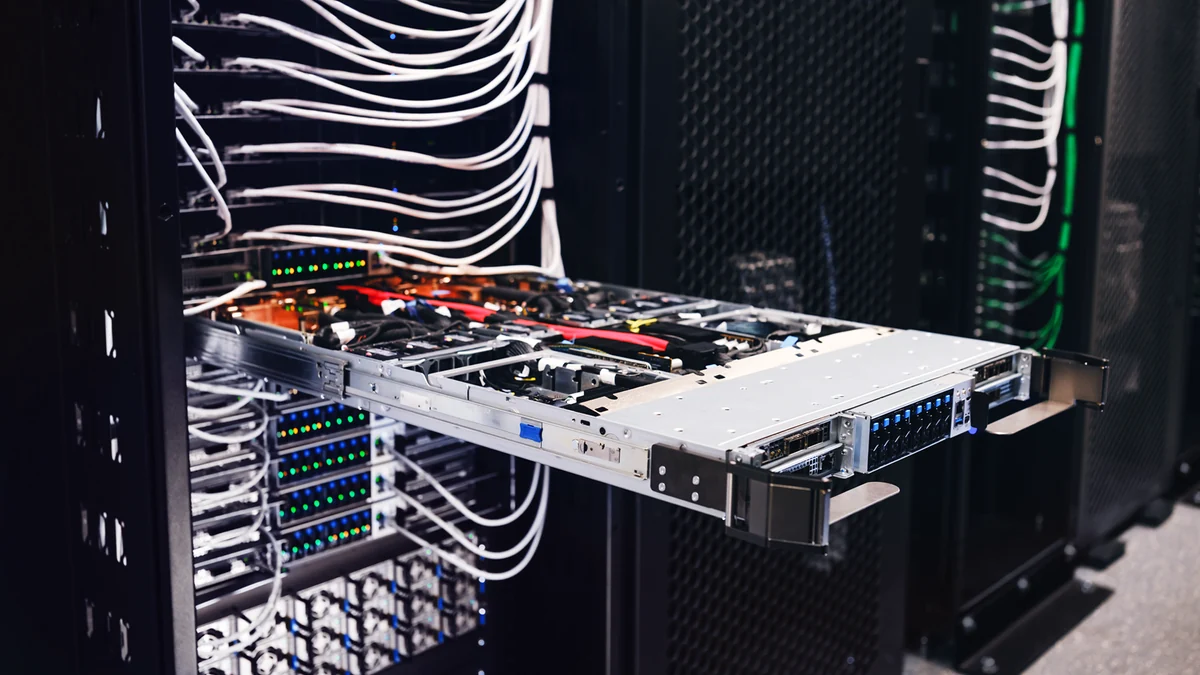
The steep contraction in shipments is directly linked to an intense squeeze on memory and storage components. Driven by a massive boom in artificial intelligence infrastructure, hyperscalers and data center operators have poured significant capital into acquiring high-bandwidth memory (HBM) required to support AI graphics processing units. In response, memory manufacturers have shifted production priorities toward data center technologies, reducing the manufacturing capacity available for consumer-grade memory.
This production shift has triggered dramatic price increases across the component supply chain. As PC makers compete for a diminishing pool of memory chips, memory prices have surged by as much as 500%, with specific configurations such as 128GB of DDR5 reaching up to $3,399. Manufacturers have attempted to navigate these fluctuations through early inventory accumulation, but the resulting supply imbalances have fundamentally disrupted seasonal shipment patterns.
Impact on Top PC Vendors
The major personal computer manufacturers absorbed the heaviest losses during the third quarter. The top three vendors collectively shipped millions fewer units year-over-year, with Lenovo recording a 22.6% drop, HP facing a 30.9% contraction, and Dell experiencing a 25% decline in shipments.
Other market participants also faced downward adjustments, though to varying degrees. Apple shipments shrank by 11.3%, Asus numbers fell by 8.6%, and the remainder of the market registered a 14% decrease year-over-year. Despite these sharp reductions in overall volume, Lenovo, HP, and Dell successfully retained their respective market share leads at 23.8%, 16.5%, and 12.1%.
Inventory Disruptions and Future Outlook
Industry observers attribute part of the third-quarter volume drop to inventory management strategies adopted earlier in the year. Vendors and distribution channels aggressively pulled in inventory during the first half of 2026 to preempt projected price hikes, altering standard market seasonality where the third quarter traditionally outperforms the second.
According to IDC consumer devices research director Jitesh Ubrani, channels are now concerned about maintaining excessive inventory in a market where elevated prices continue to suppress consumer demand. While this dynamic could introduce short-term relief through promotions, overall pricing is expected to remain high.
Looking further ahead, memory chip manufacturers estimate that supply constraints will persist for several years, projecting that conditions may not improve until 2028 or 2029. Conversely, Acer CEO Jason Chen offered a more optimistic perspective, suggesting that market fears may be exaggerated to protect chipmaker profit margins. Chen estimated that PC prices could begin to decline by the latter half of 2027 as new manufacturing capacity comes online in China, leaving only high-end components and niche processors constrained.
Sources
- Tom's HardwarePC shipments tumble over 20% in 3Q26 as chip shortages bite
Continue chronologically

Related entity coverage
Related stories
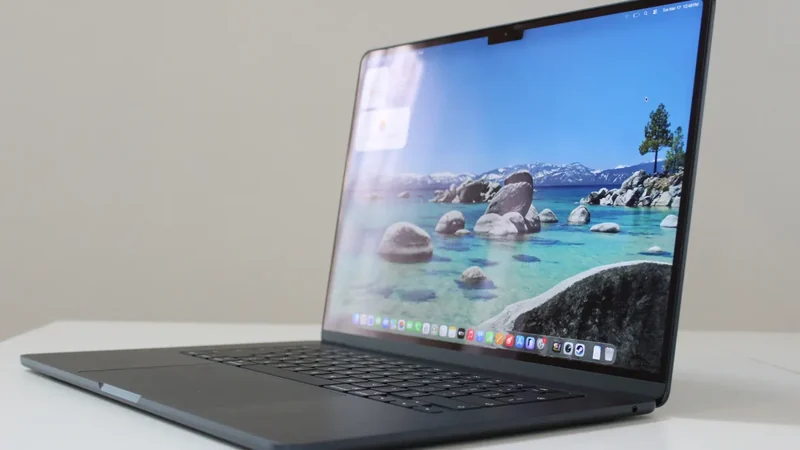
Top Laptop Recommendations for 2026
Explore the top laptop recommendations for 2026 after extensive testing across models from Apple, Dell, HP, Lenovo, and more.
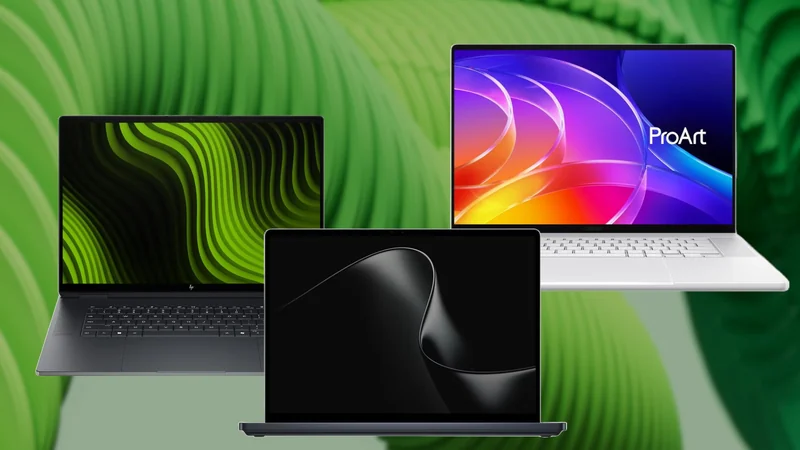
Nvidia RTX Spark Laptops Launch With Devices From Major Brands
Nvidia RTX Spark laptops are officially on sale from brands like Microsoft, Asus, HP, Lenovo, and Dell, with prices starting at $2,599.
Nvidia RTX Spark Laptops Launch With Prices Reaching $7,000
Discover the pricing and specifications of the new Nvidia RTX Spark laptops from Dell, Lenovo, MSI, HP, and Asus, launching as early as October 16th.
Google Admits Intel Googlebooks Face Android App Issues
Google acknowledges that Intel-based Googlebooks may encounter performance issues with a small handful of Android apps upon launch.