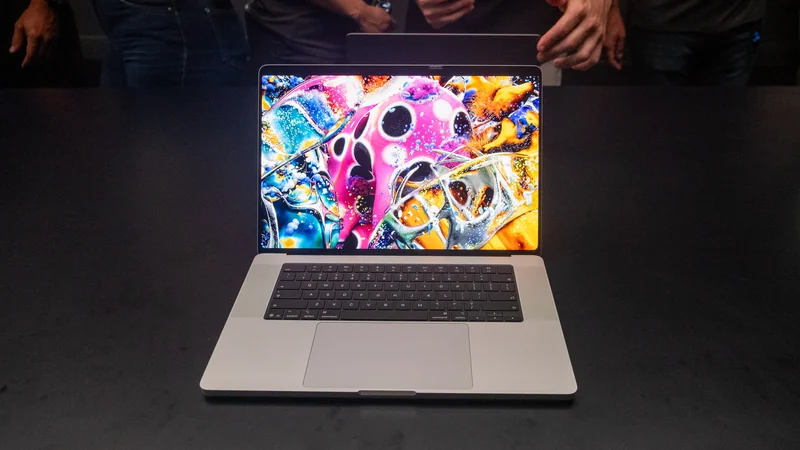
Apple Announces First Touchscreen MacBook Pro
Apple has officially entered the touchscreen laptop space with its newly announced MacBook Pro, bringing minor macOS adaptations and app-level touch features.
 Radwan AbdulhadiEditor and technology writer
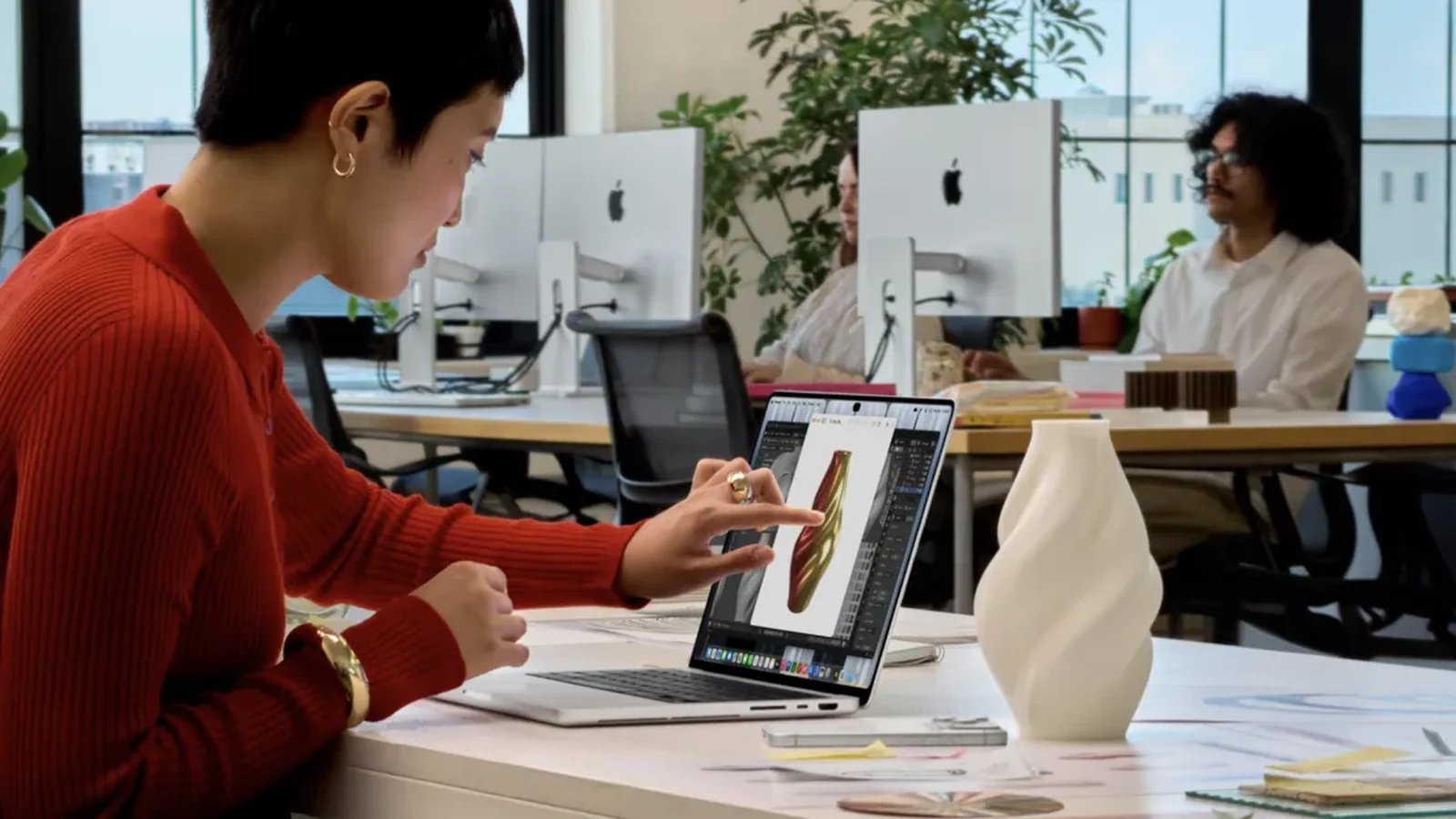
Introduction to the Touchscreen MacBook Pro
While touchscreen laptops are nothing new in the Windows world, Apple has only just announced its first MacBook equipped with a touchscreen. Rather than rushing to overhaul macOS completely for touch input, Apple is keeping major system changes localized while letting most of the touch action happen directly within the applications themselves.
MacOS Changes and Dynamic Island
As far as major macOS changes go, iOS’s Dynamic Island will debut on the new MacBook Pro. Apple touts the added touch controls as particularly useful for interacting with the interface to accept AirDrops and pause music playback. Beyond this addition, Apple has incorporated predictable ways for touch input to work with the system, translating gestures previously used with the trackpad—such as swiping from the right edge to show the notification center—directly to the touch display.
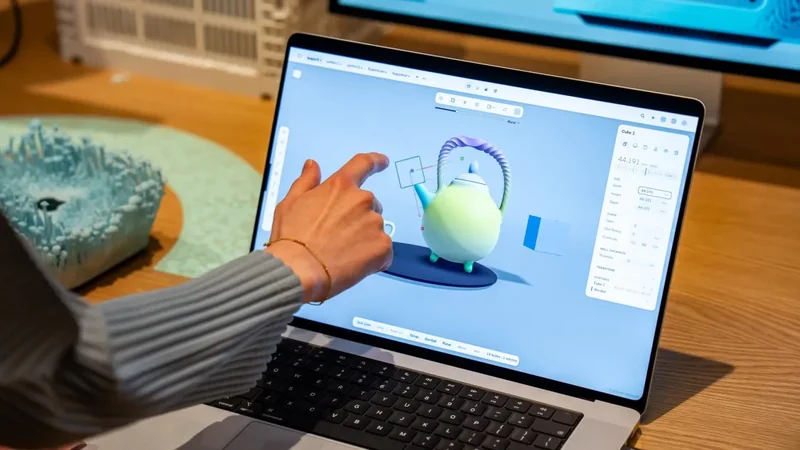
To accommodate touch interaction further, the operating system magnifies dropdown menu options and the traffic light window controls when tapped, creating larger targets. Users can also pinch and zoom in on photos, drag and drop slides between two different presentations, and swipe to scroll through webpages.
App-Level Integration and Multitouch
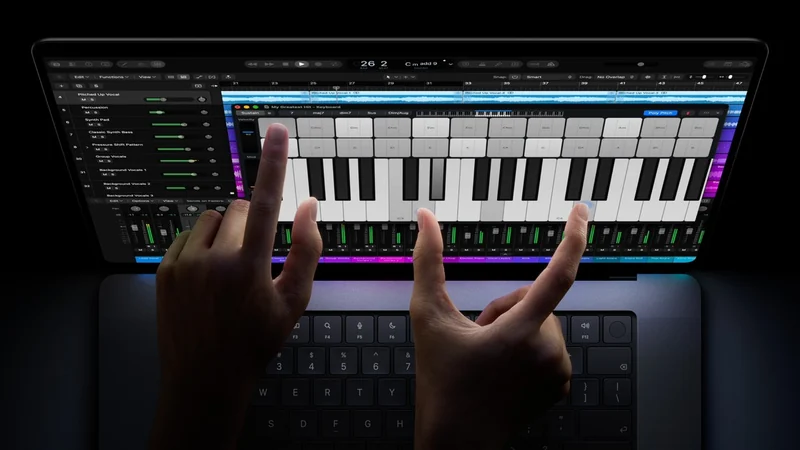
The more interesting capabilities will likely happen in individual apps. Unsurprisingly, Apple’s native apps will already be optimized for touch, and the system will automatically translate touches into clicks. Additionally, a handful of third-party apps will take advantage of the new touch controls, including Notion, Canva, Zoom, Word, Excel, PowerPoint, Lightroom, and DaVinci Resolve.
Adding the possibility of multitouch to some of these professional creator apps introduces fresh possibilities, but touch primarily functions as a secondary input mechanism rather than an entirely new way to navigate the entire system. Users can double-tap to make a window full screen, similar to a double click, and drag the corner of a window to resize it.
A Broader Wave of Apple Hardware and Software
This release arrives alongside a series of interesting hardware and software developments from Apple. The company recently launched its first folding phone, the iPhone Duo, with preorders backed up into 2027. Earlier in the fall, Apple also launched the HomeView, its first display designed for the smart home ecosystem.
The software ecosystem has seen its own share of updates this year. The Apple Watch is about to take its first steps into the land of wearable surveillance, Siri has seen notable improvements, and macOS scored a win by dialing down the Liquid Glass effect. The introduction of a touchscreen MacBook and touch-optimized macOS marks a swift start to the Ternus era.
Sources
- The VergeHere’s how macOS is changing for touchscreens
Continue chronologically

Related entity coverage
Related stories
Apple Introduces Touchscreen MacBook Pro with PROLED Display
Apple has finally released its long-awaited touchscreen MacBook Pro, featuring an advanced PROLED XDR display, integrated touch sensor, and macOS support.
Apple Launches Redesigned MacBook Pro With PROLED XDR Display
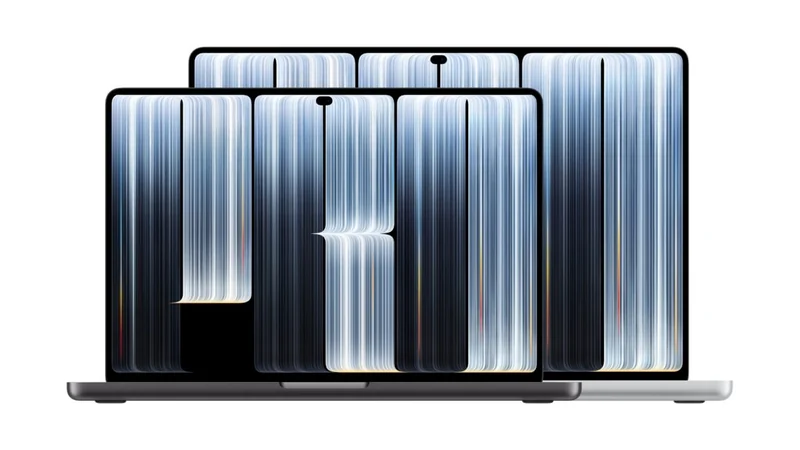
Apple has unveiled 14-inch and 16-inch MacBook Pro models with tandem OLED displays, touch support, M5 Pro and M5 Max chips, starting at $2,899.
Apple Announces Touchscreen MacBook Pro With OLED Display
Apple has officially announced its first touchscreen MacBook Pro featuring an OLED display, M5 Pro and M5 Max chips, and starting prices from $2,899.
Apple Reveals First Touchscreen MacBook Pro with PROLED XDR
Apple announces its first touchscreen MacBook Pro models featuring PROLED XDR displays, a lighter design, and a $2,899 starting price point.