Why Internet Upload Speeds Are Slower Than Downloads
A combination of everyday user behavior and underlying physical medium limitations explains why home internet download speeds consistently outpace upload rates.
 Radwan AbdulhadiEditor and technology writer
The Reality of Home Internet Plans
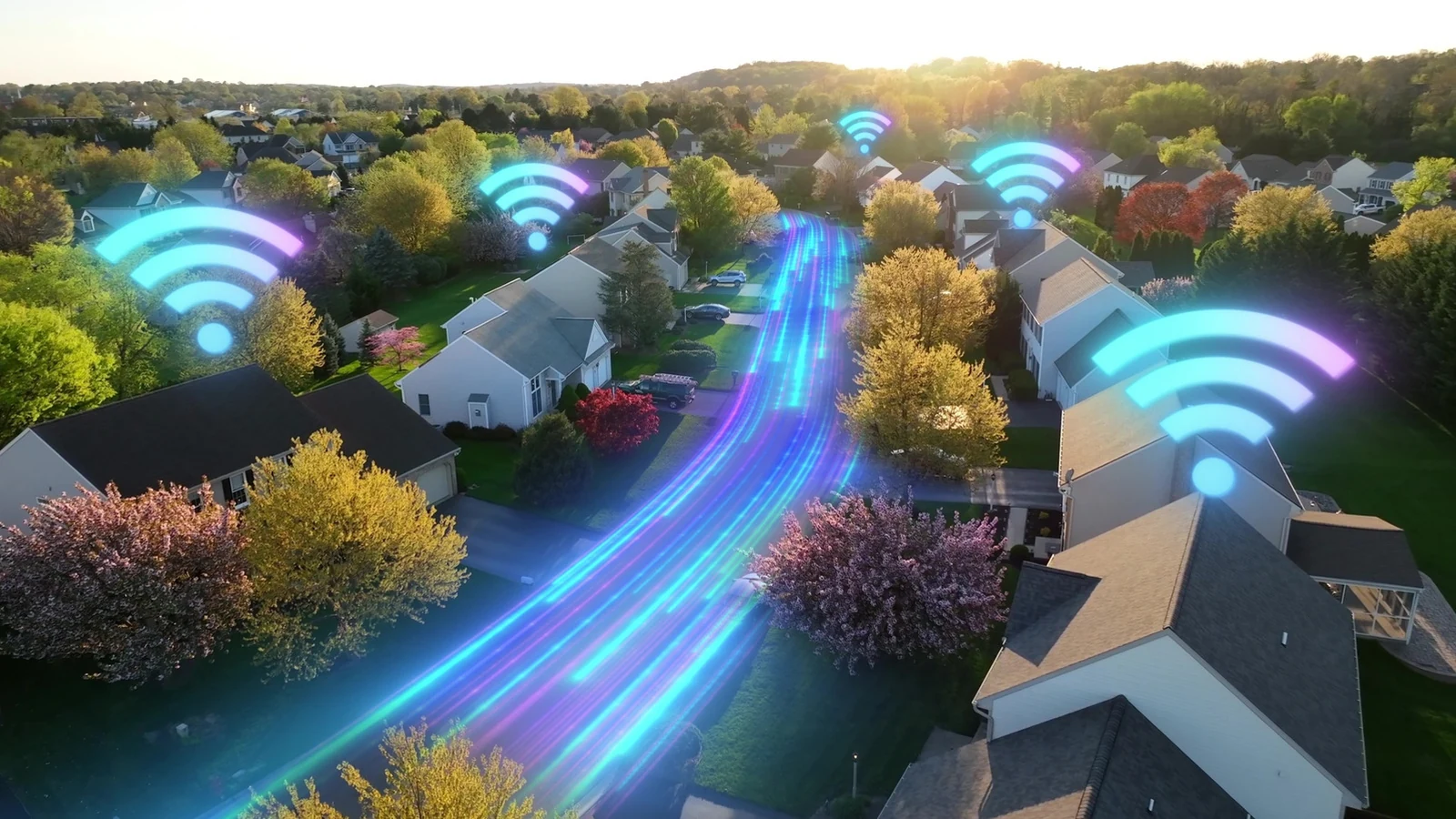
If you have checked your home internet plan details recently, you likely noticed a massive gap between how fast you can pull data down compared to sending it out. For example, standard Xfinity plans often feature high download tiers like 300 Mbps, 500 Mbps, or even 1 Gbps, while typical upload speeds for those same plans remain capped much lower at 117 Mbps.
Consumers usually need to jump to much more expensive options, such as a 2 Gbps plan, to see any substantial increase in upload capability. This disparity is not an arbitrary choice by internet service providers, but rather a structural design meant to match how consumers actually interact with the web.
Usage Trends and Bandwidth Priorities
The most pertinent point behind these speed differences is a practical matter of human behavior: most people download vastly more data than they upload. Almost every major interaction with the internet involves downloading large files, whether it is streaming high-definition video and music or downloading massive app updates and system software patches.
Even standard web browsing requires downloading heavy assets from web pages compared to the tiny text strings uploaded when logging in or leaving a comment. Unless users frequently transfer massive files to cloud storage, broadcast live video streams, or run multiple continuous video conference calls, they generally do not require heavy upload speeds.
Providers structure their offerings to ensure that the average subscriber uses roughly 80 to 90 percent of their available bandwidth to keep downloads quick, maximizing everyday performance where it matters most to the majority of users.
Physical Limitations of Copper Cable Infrastructure
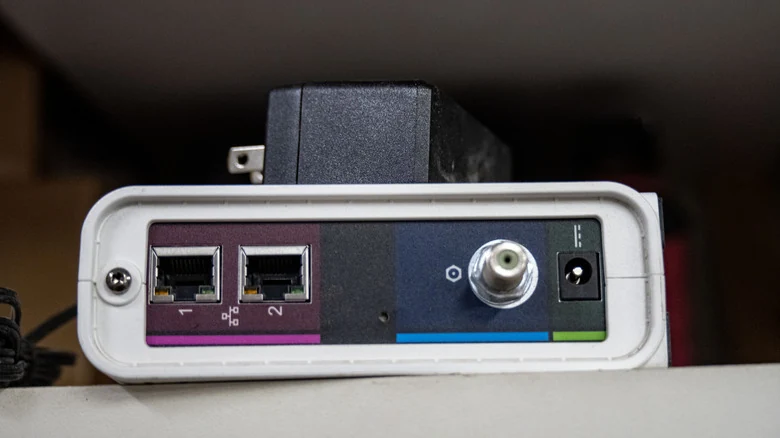
Beyond human behavior, a major reason for slow upload speeds in practice comes down to the physical limitations of the medium carrying the connection. Standard cable internet relies on coaxial copper lines originally designed to deliver traditional cable television signals into homes.
Because cable television is fundamentally a one-way setup where residential properties rarely need to transmit data back upstream, the original infrastructure was built with that asymmetry in mind. Modern internet access requires bidirectional communication, forcing providers to determine how much of the limited bandwidth of copper cables to assign to each path.
Data Over Cable Service Interface Specifications (DOCSIS) standards allow internet signals to travel over these legacy cables. Newer versions of this standard improve maximum download and upload speeds, yet upgrading the physical hardware to support these protocols requires significant financial investments from internet service providers.
How Fiber Optic Connections Change the Equation
In contrast to legacy copper wiring, fiber optic internet transmits data by bouncing light inside a glass cable rather than using electrical signals over twisted wire. Fiber infrastructure does not suffer from the same inherent bandwidth constraints as traditional coaxial lines.
The theoretical capacity of fiber optic networks far exceeds even the fastest commercial internet speeds available today, leaving plenty of headroom to move downloads and uploads at identical rates. This technical advantage explains why fiber providers routinely offer symmetrical upload and download tiers to their customers.
Furthermore, cable networks often experience reduced speeds during peak hours when neighborhoods share local nodes and overall bandwidth. Fiber connections bypass these neighborhood congestion bottlenecks completely, while also avoiding common copper issues like electrical noise and signal interference.
The Role of Content Delivery Networks
Another factor influencing overall network performance involves how data is distributed across the globe. Major technology and entertainment companies like Netflix and Google utilize content delivery networks (CDNs) to distribute downloads efficiently from local server caches rather than distant headquarters.
When a user streams a movie, the video data typically comes from a nearby regional server rather than crossing thousands of miles of core network infrastructure. This localized distribution significantly reduces the workload for internet service providers during large downloads.
Conversely, upload traffic has no direct equivalent to content delivery networks. Uploaded files usually consist of unique personal data, such as private photo backups or recorded videos, meaning they must travel across the network directly to a final destination server without the benefit of local caching shortcuts.
Sources
- EngadgetWhy are internet upload speeds so much slower than download speeds?
Continue chronologically


Related entity coverage
Related stories
Why Wi-Fi Speeds Drop in the Evening and How to Fix Them
Discover why your internet slows down in the evening due to network congestion and Wi-Fi interference, plus practical steps to fix the issue.
French Lawmakers Approve Internet Tax on Data Traffic
French lawmakers have approved an amendment for a data traffic tax on digital content providers, targeting major tech giants like Google and Meta.

Android Auto Gaming Support Officially Launches for Cars
Android Auto now supports in-car gaming while parked. Discover which games are available, how to install them, and how safety measures work.

Why Are Some Locations Blurred Out on Google Maps?
Explore why Google Maps blurs certain locations on Street View for security and privacy, and learn how you can request blurring for your home.