Why Amazon Alexa Devices Listen and How to Control Data
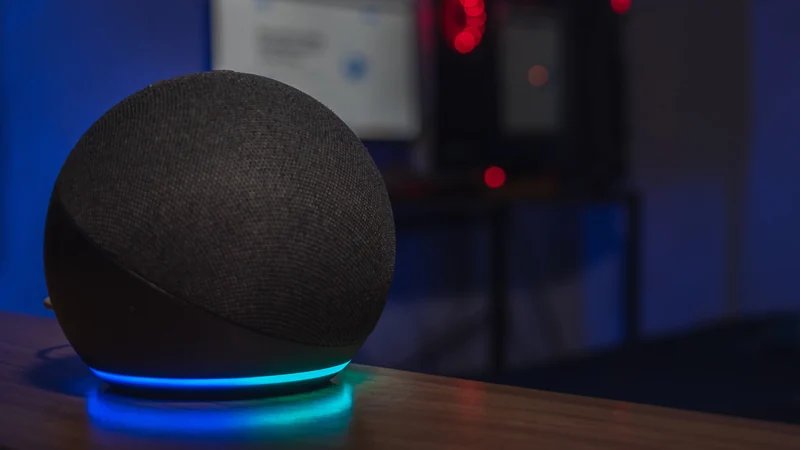
Over 600 million Alexa-enabled devices have been purchased worldwide, raising ongoing privacy questions regarding how the virtual assistant listens and stores data.
 Radwan AbdulhadiEditor and technology writer
The Proliferation of Alexa Devices
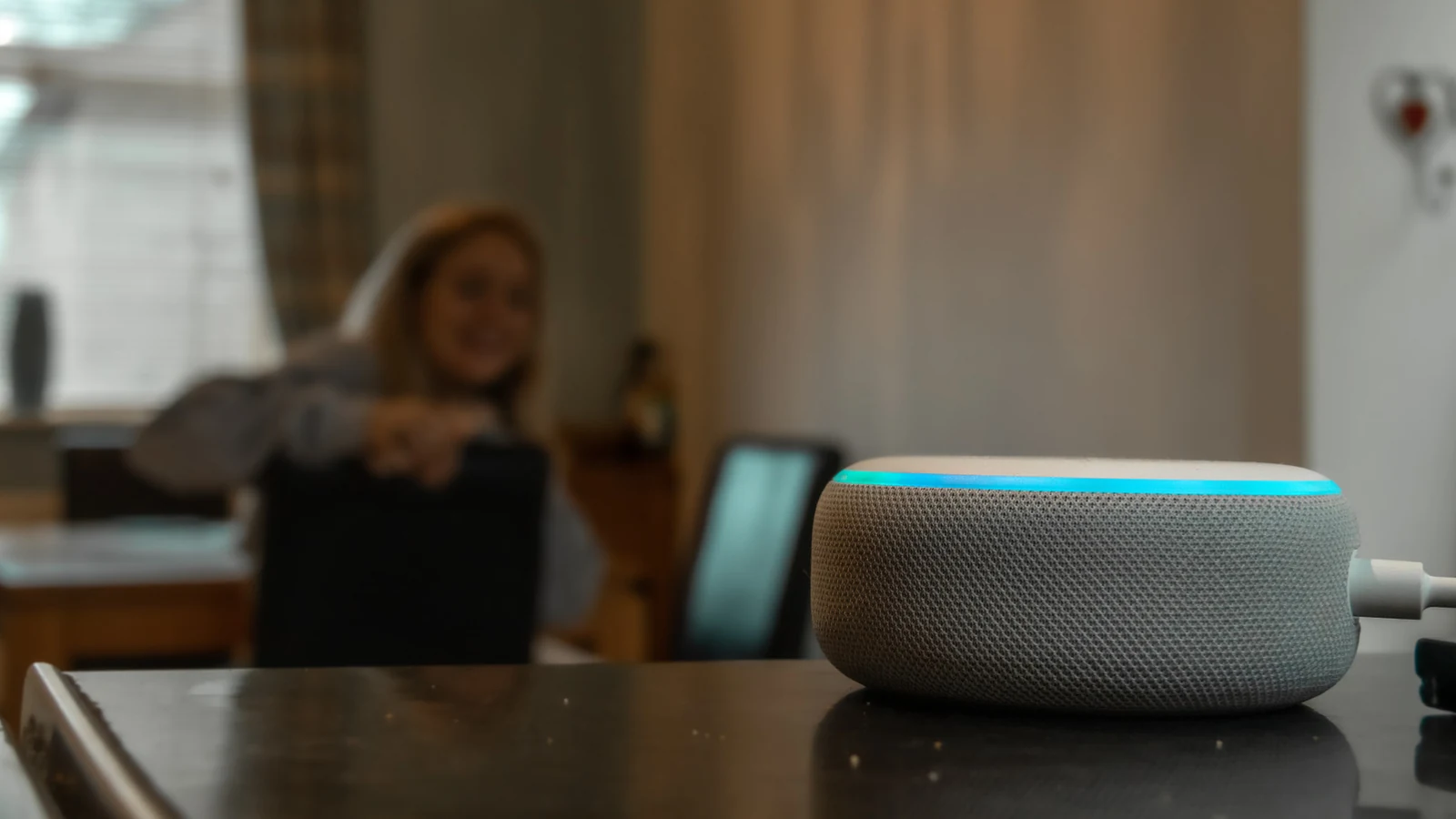
Amazon Alexa in all its forms has become increasingly prevalent across households, with over 600 million Alexa-enabled devices purchased worldwide since its initial release. Even though this metric does not translate directly to active users, it remains an impressive figure that sparks privacy concerns for many consumers. This widespread presence is set to expand further following Amazon just announcing several new products, many of which actively integrate the voice assistant.
Willingly placing a microphone-centric device in a home can feel intimidating, especially when building a smart ecosystem to control household appliances. This integration is compounded further by the continued rollout of Alexa+, which is designed to introduce additional real-world applications across smart devices.
The hardware ecosystem also continues to grow with the company's new line of tablets featuring deeper voice assistant integration. Despite these advancements, a central question remains among users regarding whether the assistant is constantly eavesdropping on household conversations.
How Alexa Listens for Wake Words
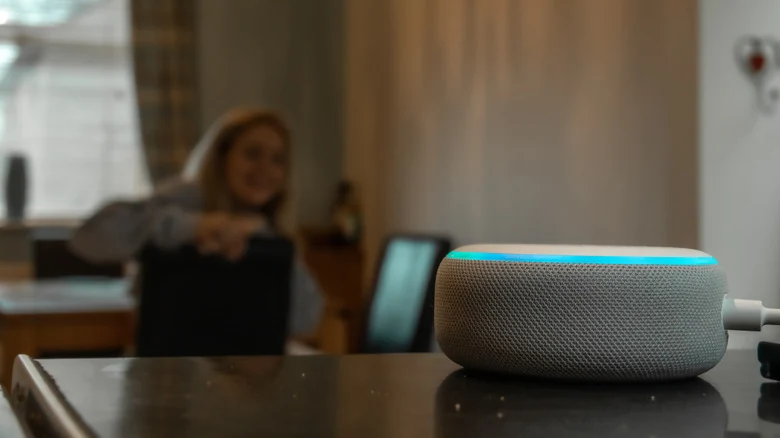
According to Amazon, technical listening does not mean the device records verbatim every word spoken nearby. Instead, the hardware listens for specific acoustic patterns that match its designated wake word. This mechanism functions similarly to listening to a conversation through earplugs, where exact words are muted, but familiar sound patterns like a name remain recognizable.
Once the device recognizes its wake word, it switches over to active listening to process the user request. Only at that point does the system record audio or transmit data to the cloud. This approach represents the balance Amazon seeks between maintaining user privacy and delivering functional conversational assistance.
Adjusting Privacy and Recording Settings
For users seeking to minimize data retention, Amazon provides several configuration options within the Alexa application. By navigating through the menu, users can access privacy controls to manage their voice history and associated device data.
Within the Alexa Privacy screen, users are presented with multiple retention options: saving recordings for three or 18 months, keeping them until manual deletion, or not retaining audio recordings at all. The interface also allows users to toggle smart home device histories and detected sounds.
Certain devices permit voice deletion toggles, enabling commands like asking the assistant to delete the day's history. However, this voice command feature is unavailable on devices running Alexa+ or Amazon Kids profiles.

Muting and Third-Party Limitations
The most straightforward method to prevent any passive listening is to physically mute the hardware microphone. Echo devices feature a dedicated button on top marked with a microphone symbol and a slash. Engaging this switch illuminates a red indicator light on the device, confirming the microphone is disabled.
Users should also note that cloud settings only apply to Amazon servers. If Alexa is connected to third-party hardware such as robotic vacuums or smart TVs, those manufacturers may retain access to history data independently. Furthermore, deleting voice recordings can affect the assistant's ability to maintain a personalized voice profile for responses.
Sources
- EngadgetThe reason your Amazon Alexa devices are always listening
Continue chronologically
Related stories
Common Amazon Alexa Problems and Simple Ways to Fix Them
Discover simple troubleshooting steps for common Amazon Alexa issues, from voice recognition problems and long responses to unresponsive devices.
Amazon Debuts Alexa Photo Frame and Echo Time Smart Clock
Amazon has unveiled five new Alexa devices, featuring the new Alexa Photo Frame and Echo Time smart clock alongside upgraded Echo hardware.

Amazon Reveals New Echo Hardware and Upgraded Alexa Plus Lineup
Amazon unveiled its new fall hardware lineup at an event in New York City, featuring updated Echo speakers, smart displays, and a 3D Alexa Home Map.
Amazon Disables AUX Voice Commands on Older Echo Speakers
Amazon has quietly removed Alexa voice commands for the AUX input on four older Echo models, requiring users to switch wired sources through the app.