Amazon Disables AUX Voice Commands on Older Echo Speakers
Amazon has made a quiet change to older Echo speakers by removing Alexa voice controls for the AUX input, affecting a small number of users who relied on voice commands to manage wired audio sources.
 Radwan AbdulhadiEditor and technology writer
Voice Controls Quietly Removed
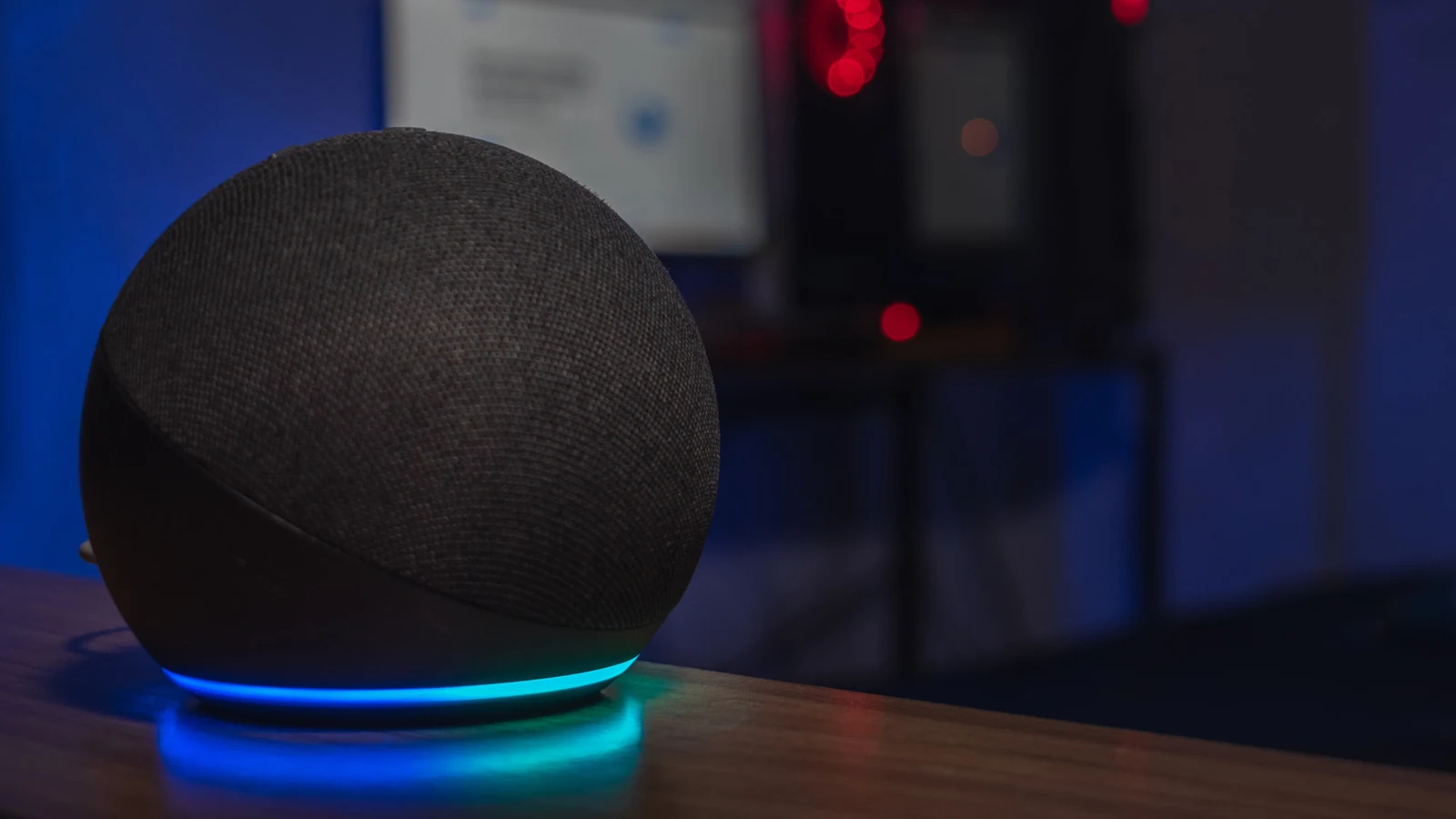
Amazon has implemented a quiet change to older Echo speakers that will impact how owners manage their home audio setups. As detailed by Ars Technica, Amazon has disabled Alexa voice controls for the AUX input on several older Echo models, rendering commands like 'Alexa, play from line in' and 'Alexa, set AUX input' completely inactive.
This unexpected alteration may seem minor at first glance, but it brings frustration for anyone who regularly utilized those voice commands to switch over to a wired audio source. A customer shared an Amazon email regarding the update, which prompted broader reporting across tech publications.
Affected Echo Models and Company Response
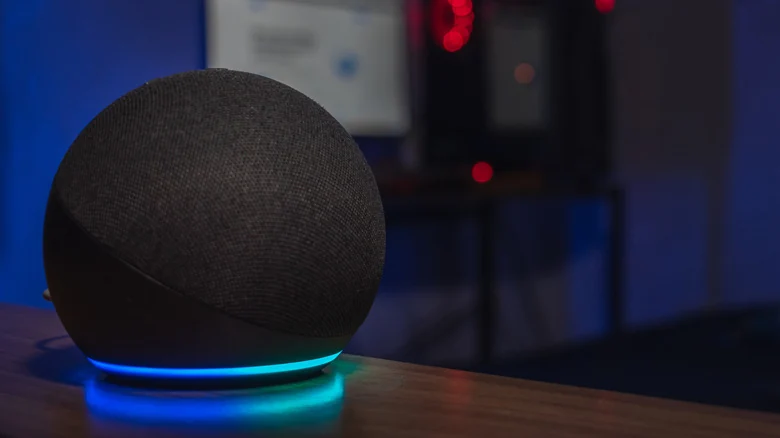
The hardware models affected by this feature removal are the second-generation Echo Plus (2018), the third-generation Echo (2019), the original Echo Studio (2019), and the fourth-generation Echo (2020). Amazon officially confirmed the removal when contacted by journalists.
A spokesperson told The Verge that the company had proactively notified 'the very small number of customers' who actively use voice requests for AUX playback. Despite confirming the change and reaching out to impacted users, Amazon did not publicly disclose the specific reasons behind why it chose to remove the voice command functionality.
Physical Connections and App Controls Remain
Although the convenient voice commands are gone, the physical AUX connection itself continues to operate. Hardware owners can still play audio through a physical cable and use the Alexa app to manually enable or disable the AUX input on supported speaker models.
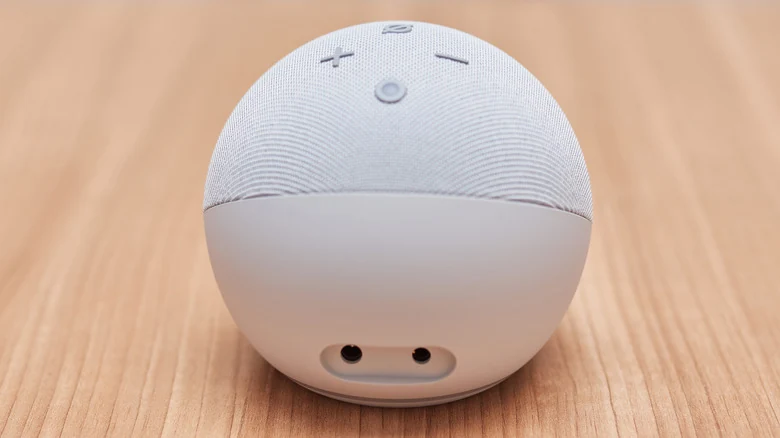
The small 3.5mm AUX jack found on supported Echo speakers can serve multiple purposes depending on the specific model. When functioning as an input, it permits the speaker to play audio from external sources like a phone or computer. When operating as an output, it routes Alexa audio out to another external speaker or amplifier.
Hardware Capabilities Across Generations
Device specifications vary significantly across different hardware generations. The third-generation Echo, fourth-generation Echo, and second-generation Echo Plus support both input and output functions, while the original Echo Studio supports input only. Meanwhile, older Echo Dots like the third- and fourth-generation variants feature jacks that support output only, and the fifth-generation Dot removed the 3.5mm connection entirely.
Despite the software limitation, holding onto older hardware still offers distinct advantages. For instance, an early-2000s Sony CD changer can still send audio to an original Echo Studio via an RCA-to-3.5mm cable, letting users continue playing physical CDs directly through the speaker without needing extra accessories.
How to Use AUX Without Voice Commands
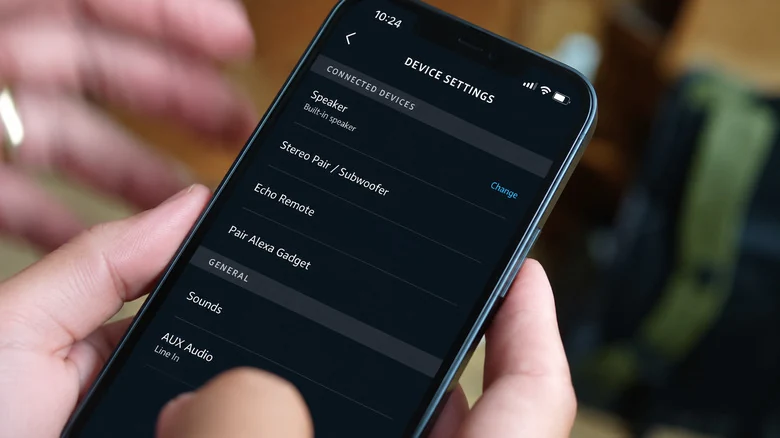
Users looking to operate their AUX setup manually can still do so through software configuration. To use AUX on a compatible Echo connected to hardware via a 3.5mm cable, open the Alexa app, select the target speaker under Devices, find AUX Audio in settings, and choose Line In to play external audio. On models supporting dual directions, selecting Line Out instead directs the Echo audio to an external speaker or receiver, though this setting may appear under General depending on the app version.
Once devices are connected, users must rely on the source device's independent controls to start playback or skip tracks, as Alexa's discontinued voice commands previously managed only the Echo AUX input rather than the connected equipment's playback functions. Furthermore, consumers should note that upgrading to newer hardware—such as moving from an original Echo Studio to the redesigned 2025 Echo Studio—will likely mean losing the physical 3.5mm input feature altogether.
Sources
- EngadgetAmazon made the AUX input on older Alexa devices less useful
Continue chronologically


Related stories
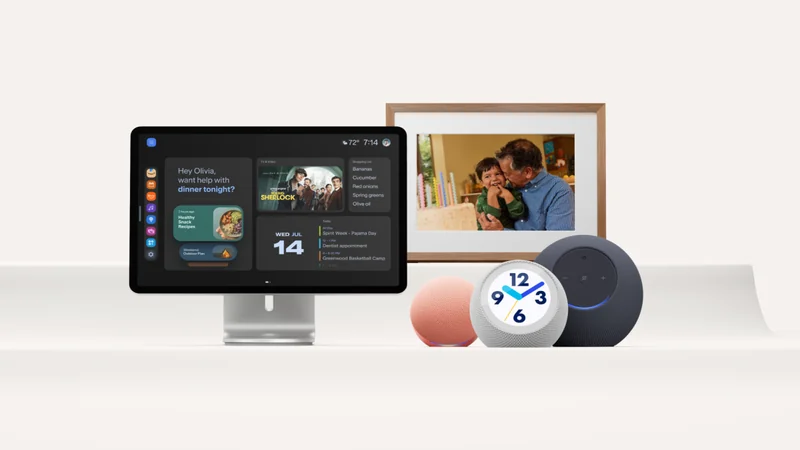
Amazon Debuts Alexa Photo Frame and Echo Time Smart Clock
Amazon has unveiled five new Alexa devices, featuring the new Alexa Photo Frame and Echo Time smart clock alongside upgraded Echo hardware.
Common Amazon Alexa Problems and Simple Ways to Fix Them
Discover simple troubleshooting steps for common Amazon Alexa issues, from voice recognition problems and long responses to unresponsive devices.
Why Amazon Alexa Devices Listen and How to Control Data
Explore how Amazon Alexa devices listen for wake words, what data is stored, and how users can adjust privacy settings and mute microphones.
Amazon Reveals New Echo Hardware and Upgraded Alexa Plus Lineup
Amazon unveiled its new fall hardware lineup at an event in New York City, featuring updated Echo speakers, smart displays, and a 3D Alexa Home Map.