Smart Switches vs Smart Bulbs: A More Inclusive Home Upgrade
While smart bulbs provide an easy entry point into smart home gadgets, smart switches offer a more practical and inclusive foundation for everyday household lighting.
 Radwan AbdulhadiEditor and technology writer

The Hidden Tradeoffs of Smart Bulbs
Smart bulbs have become exceptionally popular for anyone building up their collection of smart home gadgets due to their affordable nature and rapid setup. Within minutes of opening a box, users can have colorful illumination glowing in a lamp. However, this convenience hides a notable tradeoff that surfaces immediately when someone in the house flips the traditional wall switch out of habit.
When a wall switch is turned off, a smart bulb goes completely dark, loses its Wi-Fi connection, and refuses to respond to apps or voice assistants until physical power is restored. Additionally, following a power outage, many smart bulbs automatically turn back on at full brightness, which can be disruptive during nighttime storms. These quirks highlight why an alternative approach is often necessary for shared spaces.

Why Smart Switches Provide Better Accessibility
Smart switches address these vulnerabilities by replacing the physical wall switch itself rather than modifying an individual bulb. By staying wired directly into the home's electrical system, they ensure that anyone—from houseguests and aging grandparents to toddlers—can operate the lights the exact same way they always have without needing a smartphone app or voice interface.
For shared households with mixed technology comfort levels, this tactile accessibility is vital. A standard smart bulb requires continuous electricity to remain connected to the network. When a physical switch cuts that power, all automated routines stop and voice commands fail until someone manually reverses the action.
Evaluating Costs for Multi-Bulb Fixtures
When lighting multi-bulb fixtures such as a hallway chandelier, the financial disparity between the two technologies becomes clear. Outfitting a six-light fixture with individual smart bulbs requires purchasing, pairing, and eventually replacing six separate smart units, with costs ranging from $5 to $50 depending on the brand and color-changing capabilities.
Conversely, a single smart switch controlling that exact same fixture serves as a one-time investment. Bundled models can cost as little as $11 per piece, offering a more streamlined and durable financial solution for primary overhead lighting in high-traffic areas like kitchens, hallways, bathrooms, and living rooms.

Combining Both Technologies Safely
It is entirely possible to use a smart switch alongside a smart bulb or smart fixture. When a smart switch cuts power to a smart bulb, the bulb temporarily loses its app-based and voice-activated smart functionality until power returns. Once powered back on, users can still adjust colors and dimness levels.
However, technical guidelines indicate that smart dimmer switches should not be used to control fixtures equipped with smart bulbs. Beyond lighting, many smart switch models are rated for ceiling fans and other wired loads, provided installers check the specific load ratings beforehand.
Finding the Right Balance for Your Home
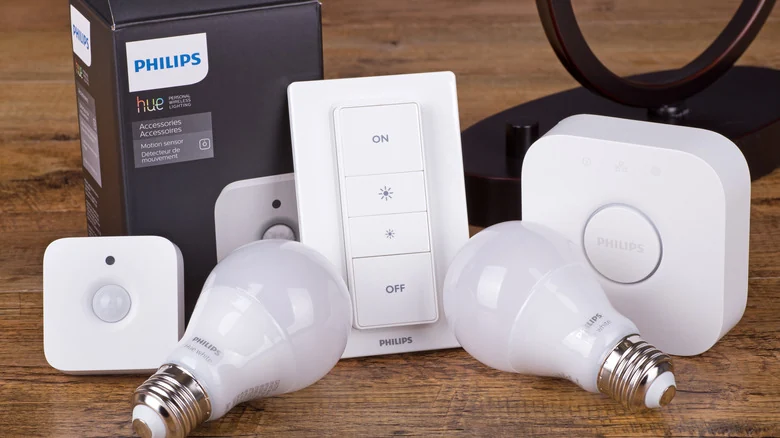
Neither technology entirely replaces the other. Smart bulbs remain ideal for specific scenarios, such as for renters who are unable to alter home wiring, or for standard living room lamps that remain plugged in continuously. Meanwhile, those shopping for a dedicated smart bulb for a specific lamp or reading nook can find numerous options suited for localized accent lighting.
Ultimately, the most functional home setup involves deploying smart switches in shared, high-traffic rooms where multiple people interact with the walls, while reserving smart bulbs for locations where creative lighting effects justify the reliance on app-based controls.
Sources
- EngadgetSmart bulbs are easy to install, but this smart home upgrade is more inclusive
Continue chronologically


Related stories
Common home network mistakes and how to avoid them
Learn the most common home network setup mistakes to avoid, from poor router placement and weak security settings to ignoring wired Ethernet options.
Is 3D Printing Safe in Your Bedroom or Home Office?
Explore the hidden air quality risks, ultrafine particle emissions, and ventilation requirements for running 3D printers at home.

What Does the Yellow Light on Your Alexa Device Mean?
Learn what a flashing yellow light on your Amazon Echo means, how to clear your notifications, and how to customize your settings in the Alexa app.
Do Gaming Routers Really Make a Difference for Network Lag?
An analysis of gaming routers explores whether premium hardware, traffic management, and specialized designs truly improve network performance.