Is 3D Printing Safe in Your Bedroom or Home Office?
Running a 3D printer in a bedroom or home office may expose you to airborne emissions, ultrafine particles, and volatile organic compounds unless proper precautions and ventilation are put in place.
 Radwan AbdulhadiEditor and technology writer

The Hidden Emissions of Home 3D Printing
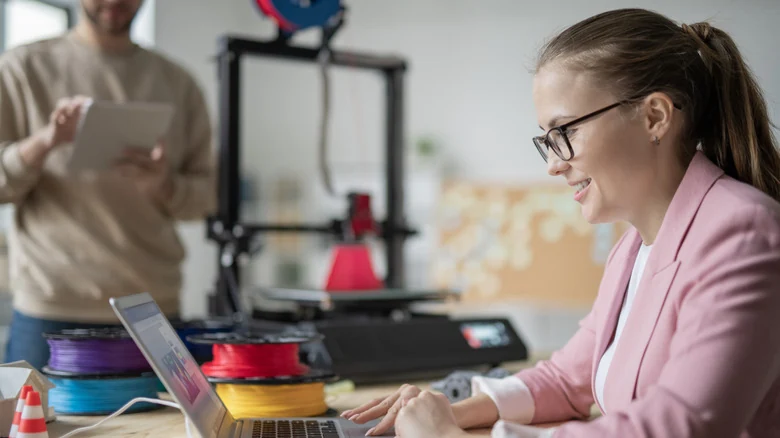
Placing a 3D printer on a bedside table or a corner desk might seem convenient for hobbyists, but running the device for hours in a confined space means breathing in its emissions. Even common PLA filament emits airborne particles and gases when heated, making overnight bedroom printing a poor idea. When considering whether a 3D printer is worth buying , space and environmental planning are just as important as the items you plan to produce.
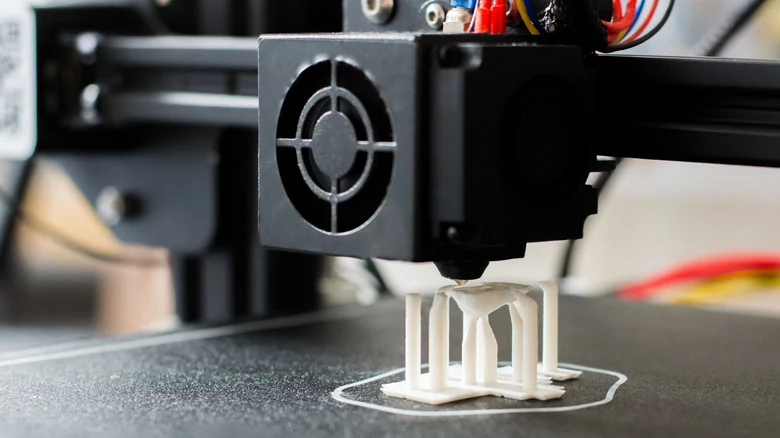
According to the EPA, filament printers can alter indoor air quality without producing visible smoke. They emit ultrafine particles capable of reaching deep into the respiratory system, alongside volatile organic compounds (VOCs). While PLA is frequently recommended as a safer and cleaner alternative to ABS—which emitted more particles in a recent 2026 test of 17 commercial filaments—switching materials is not a complete solution. Nozzle temperatures, brand variations, and specific additives all alter emission levels.
Laboratory Findings and Health Concerns
Recent laboratory tests exposing human airway cells to emissions from both PLA and ABS printers have observed cellular changes associated with inflammation and cellular stress. However, these tests were conducted strictly in laboratory settings and have not yet established exact long-term health effects for humans exposed at home, nor have they defined a universally safe exposure threshold for bedrooms.
Resin printers, which utilize liquid resin instead of solid filament, present a different set of hazards. According to the National Institute for Occupational Safety and Health (NIOSH), uncured resin can trigger skin reactions or lead to asthma. Furthermore, additional exposure risks emerge during the washing and curing phases of resin printing, particularly when handling chemical solvents.
Proper Ventilation and Workspace Setup
To mitigate indoor air quality risks, experts advise moving printers out of bedrooms and into separate rooms, workshops, or properly ventilated garages where humidity and temperature fluctuations will not compromise print quality. Simply keeping the machine away from an active desk reduces immediate exposure time, but distance alone cannot replace adequate airflow and ventilation.
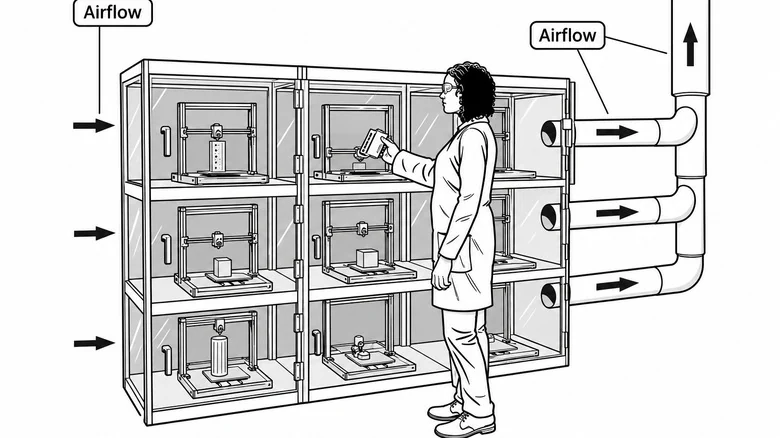
For home offices, an enclosure with exhaust ducting that vents directly outside captures emissions much closer to their source. Simply opening a window may draw in fresh air, but it does not reliably clear out the ultrafine particles and gases generated by the printer. As noted in guidelines from NIOSH suggests that emissions should be captured close to the printer and that operators should limit the time spent nearby during active printing cycles.
The Limitations of Air Filters
Air purification equipment has inherent boundaries when dealing with 3D printer emissions. While HEPA filters are designed to capture particles and activated carbon can adsorb certain VOCs provided there is enough material, neither technology can automatically neutralize a poorly ventilated room. Moreover, combining enclosures, ductwork, and regular filter replacements adds significantly to the overall cost of operating a printer.
For users who only print occasionally and lack a safe, dedicated space for ventilation, utilizing a local printing service may be a more practical alternative. Additionally, safety guidelines emphasize keeping printers clear of flammable materials and ensuring that adequate fire detection systems are installed in any designated printing area.
Sources
- EngadgetIs 3D printing safe to do in your bedroom or home office?
Continue chronologically

Related stories
Smart Switches vs Smart Bulbs: A More Inclusive Home Upgrade
Discover why smart switches offer a more inclusive, practical, and reliable alternative to individual smart bulbs for shared household lighting.

What Does the Yellow Light on Your Alexa Device Mean?
Learn what a flashing yellow light on your Amazon Echo means, how to clear your notifications, and how to customize your settings in the Alexa app.
Why Flat Ethernet Cables Might Harm Home Networks
Explore the performance tradeoffs, signal interference risks, and physical durability issues of flat Ethernet cables compared to traditional round ones.
A Guide to Cleaning Vinyl Records Across Budgets
Discover the right way to clean your vinyl records, from basic carbon fiber brushes and budget wet washing to advanced ultrasonic cleaners.