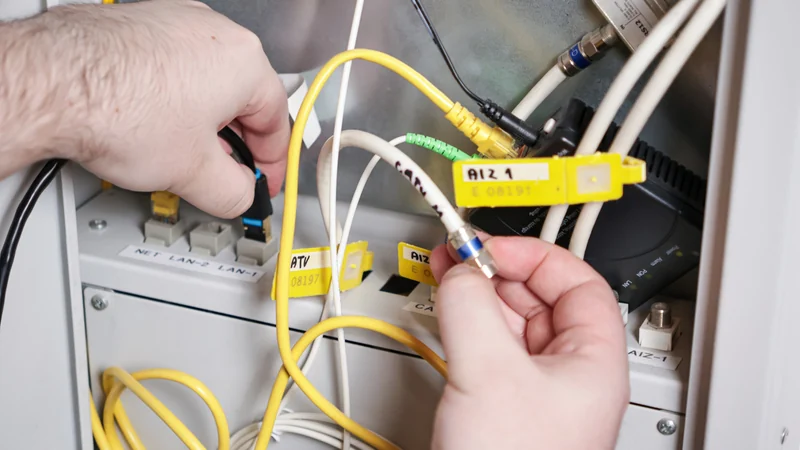
Why Your Home Network Needs Both Ethernet and Wi-Fi
A blend of Ethernet and Wi-Fi provides the ultimate home network, combining wired reliability for heavy workloads with wireless freedom for mobile devices.
 Radwan AbdulhadiEditor and technology writer

Balancing Convenience and Reliability
Wi-Fi and Ethernet work together for a great blend of convenience and reliability across all your connected devices. Even though so many devices use wireless connections, Ethernet still has a place in your home network. The latest Wi-Fi standards make big improvements, but a wireless connection often can't compete with a cable.
You probably don't mind the speed sacrifice when you're scrolling Instagram on your phone in bed, but it makes a difference when downloading game updates or uploading large files. Having a setup equipped for both makes for a healthy home network where everyone is happy.

When to Rely on Wi-Fi
If you've done a home internet speed test , you've likely noticed that the speeds you get on Wi-Fi don't match what you pay your ISP for. Wireless setups are typically slower due to overhead, distance degradation, thick physical obstacles like concrete walls, and signal interference from microwaves or nearby networks.
Despite these limitations, Wi-Fi remains essential for smart home appliances, security cameras, smart plugs, and mobile gadgets like phones, tablets, and laptops. If you want uniform coverage across your home, investing in one of the best Mesh Wi-Fi systems can help overcome difficult architectural layouts.
Wireless performance also depends heavily on whether it's dual-band or tri-band and the specific router generations you use. While 2.4GHz offers long range with slower speeds, 5GHz and the newer 6GHz bands deliver faster throughput with less susceptibility to environmental interference.

The Power of Wired Ethernet Connections
Ethernet sidesteps most of Wi-Fi's core issues by offering a direct, interference-free connection. It provides lower latency, also known as ping, and delivers speeds much closer to what enters your home from your internet service provider.
Unlike Wi-Fi, which operates via half-duplex communication, Ethernet is full-duplex, meaning it can send and receive information simultaneously. This capability makes desktop PCs, laptops, and consoles perform significantly better during network-heavy tasks like large downloads, cloud storage syncing, and stable video calls.
Gaming Performance and Latency
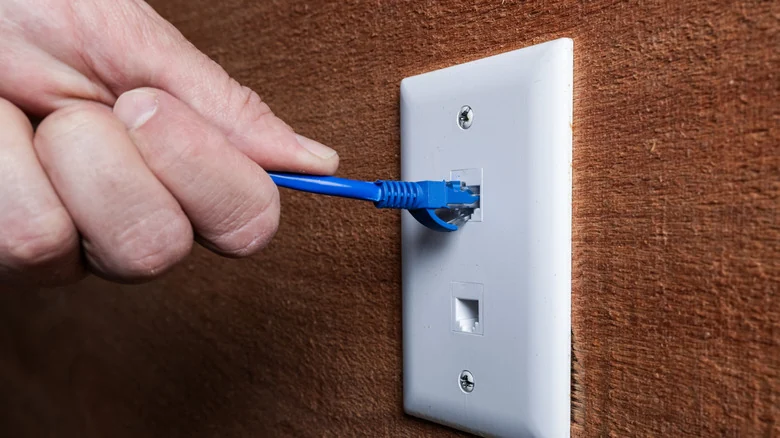
Wired connections make a massive difference in online competitive gaming. While high bandwidth is nice, low latency is the most critical factor for a responsive experience. Wi-Fi connections can suffer from packet drops, intermittent interference, or complete cutouts that cause frustrating delays between your screen and the game's server.
Overcoming Physical and Hardware Limits
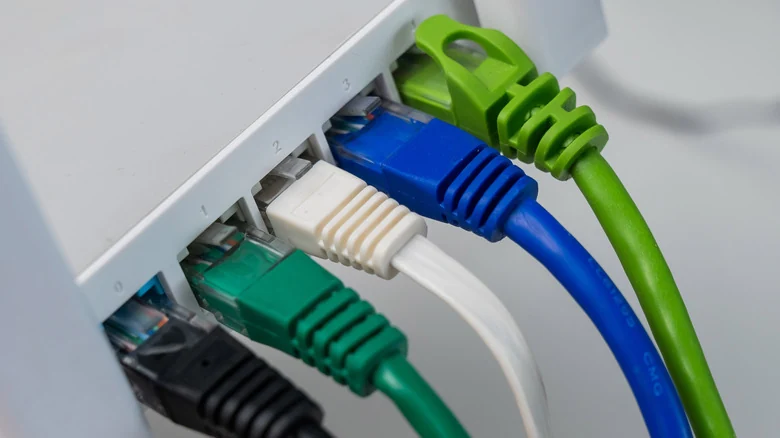
While running physical cables can sometimes be inconvenient, especially in larger multi-story houses, there are practical ways to use Ethernet without running cables through your drywall. Furthermore, if your router lacks sufficient physical connection slots, a network switch is an affordable, simple way to add more ports to your home setup.
By thoughtfully combining robust wired connections for stationary heavy-duty devices and flexible wireless coverage for mobile gadgets, households can eliminate network bottlenecks and enjoy optimal digital performance.
Sources
- EngadgetShould you have both Ethernet and Wi-Fi for your home?
Continue chronologically


Related stories
Why Joining Two Ethernet Cables Can Cause Network Issues
Discover why joining two Ethernet cables with a coupler can cause network dropouts and learn better alternatives like switches or longer cords.
Common home network mistakes and how to avoid them
Learn the most common home network setup mistakes to avoid, from poor router placement and weak security settings to ignoring wired Ethernet options.
Smart TV Wi-Fi vs Ethernet: Speed, Stability, and Streaming
While smart TV Wi-Fi is often faster than its Ethernet port, wired connections offer stability benefits for streaming and reliability.
Understanding Your Home Network: Modems, Routers, and Gateways
Learn the differences between modems, routers, and gateways, and discover why using your own networking equipment can improve your home setup.