Understanding Bluetooth Speaker Wattage and RMS Ratings
Navigating Bluetooth speaker wattage can be confusing, as higher numbers do not always translate directly to a louder or better-sounding device.
 Radwan AbdulhadiEditor and technology writer
Decoding Speaker Power Ratings
When shopping for audio gear, consumers often look at wattage as a simple way to evaluate the best Bluetooth speakers. However, the amount of electrical power a speaker can handle is not always a straightforward indicator of overall quality or volume. Believing that a 20-watt speaker is twice as capable as a 10-watt model is a common misconception; it simply means the amplifier sends twice as much electrical power to the drivers.
Furthermore, manufacturers and retailers frequently measure power using two distinct metrics: RMS (root mean square) and peak ratings. Because companies often publish only one figure, comparing different options based solely on power numbers can be challenging. Peak power represents the maximum electrical capacity an amplifier can handle, but it can typically only be sustained in short bursts without causing problems or damaging the speaker's internal components.
RMS Versus Peak Power
The second common metric is the RMS rating, which reflects the sustained power a speaker can handle continuously over long periods. While a device might boast a peak power rating of 40W, it may only handle 20W RMS during regular operation. Manufacturers frequently highlight the maximum power figure to make a model look more impressive on paper compared to rival products.
Brick-and-mortar and online retailers often fail to distinguish between RMS and peak specifications. For example, according to JBL's official spec sheet, the JBL Go 4 is rated at 4.2W RMS, yet some major retailers omit power ratings entirely. Because some brands do not publish RMS figures at all, consumers often rely on independent reviews and real-world testing data.
The Reality of Loudness and Wattage
A common assumption is that doubling a speaker's wattage will double its volume, but audio physics operates differently. Power ratings and loudness do not have a linear relationship. Doubling a power rating increases sound output by roughly 3 dB, whereas human ears perceive a sound as twice as loud only when an increase of about 10 dB occurs.
Achieving a doubled perceived volume actually requires a tenfold jump in power. Consequently, the difference between a 25W speaker and a 35W speaker is far less dramatic than many buyers expect. Internal driver efficiency and sensitivity matter significantly more than raw wattage, meaning an efficient 10-watt model can easily outperform a 20-watt alternative.
Selecting the Right Wattage for Your Needs
Choosing the appropriate power level depends heavily on the intended use case. The smallest models on the market generally offer between 3 and 10 watts of RMS output power, which works well if the listener remains only a few feet away. However, these smaller units struggle to fill average or large rooms and can distort when pushed to their absolute limits.
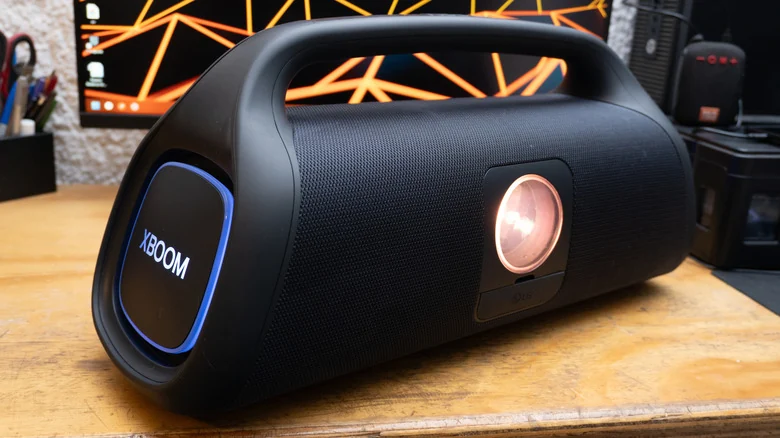
Moving up to units with up to 40W of rated RMS power typically introduces dual driver setups, delivering clearer audio without requiring maximum volume settings in smaller spaces. For outdoor settings and backyards, options in the 40W to 100W range are common. As an illustration, the Soundcore Boom 3i features a 50W RMS power rating and is designed specifically to cut through environmental background noise.
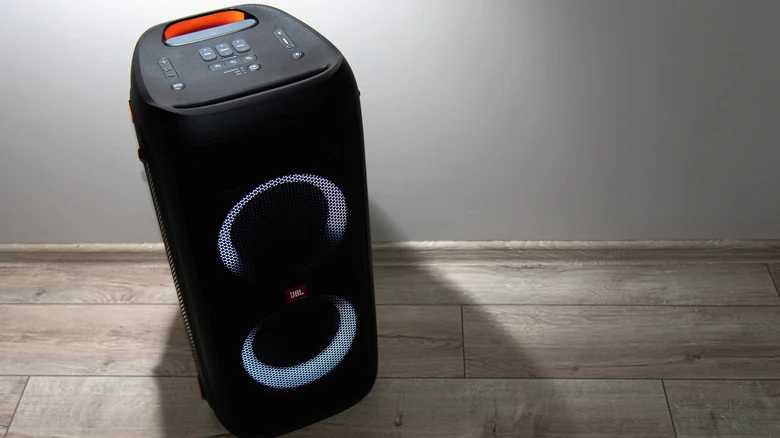
At the high end of the market, heavy-duty party speakers reach 80W and 200W RMS power ratings. While exceptionally loud and ideal for large outdoor venues, these units require larger batteries and internal components, resulting in heavier, less portable builds. Ultimately, buyers should treat wattage as a starting point rather than a definitive guide to performance.
Sources
- EngadgetHow many watts should your Bluetooth speaker have?
Continue chronologically

Related stories
HARMAN and Samsung Discuss Audio Milestones and AI
HARMAN leaders Dave Rogers and Armin Prommersberger discuss 80 years of JBL, 60 years of Bowers & Wilkins, and future AI-driven experiences.
Inside JBL Playback Gallery: Celebrating 80 Years of Sound
Explore the JBL Playback Gallery in Seoul, marking eight decades of audio innovation, historical milestones, and modern sound technology.
Understanding Audio Amplifiers and Sound System Quality
Explore what audio amplifiers do, how they impact your sound system quality, and whether you actually need a separate unit for your home theater.
A Guide to Cleaning Vinyl Records Across Budgets
Discover the right way to clean your vinyl records, from basic carbon fiber brushes and budget wet washing to advanced ultrasonic cleaners.