How to Properly Clean Your Solar Panels and Why It Matters
While accumulated dirt can reduce solar power output, deciding when and how to clean your panels requires careful evaluation of costs, risks, and actual energy losses.
 Radwan AbdulhadiEditor and technology writer
Understanding the Impact of Soiling
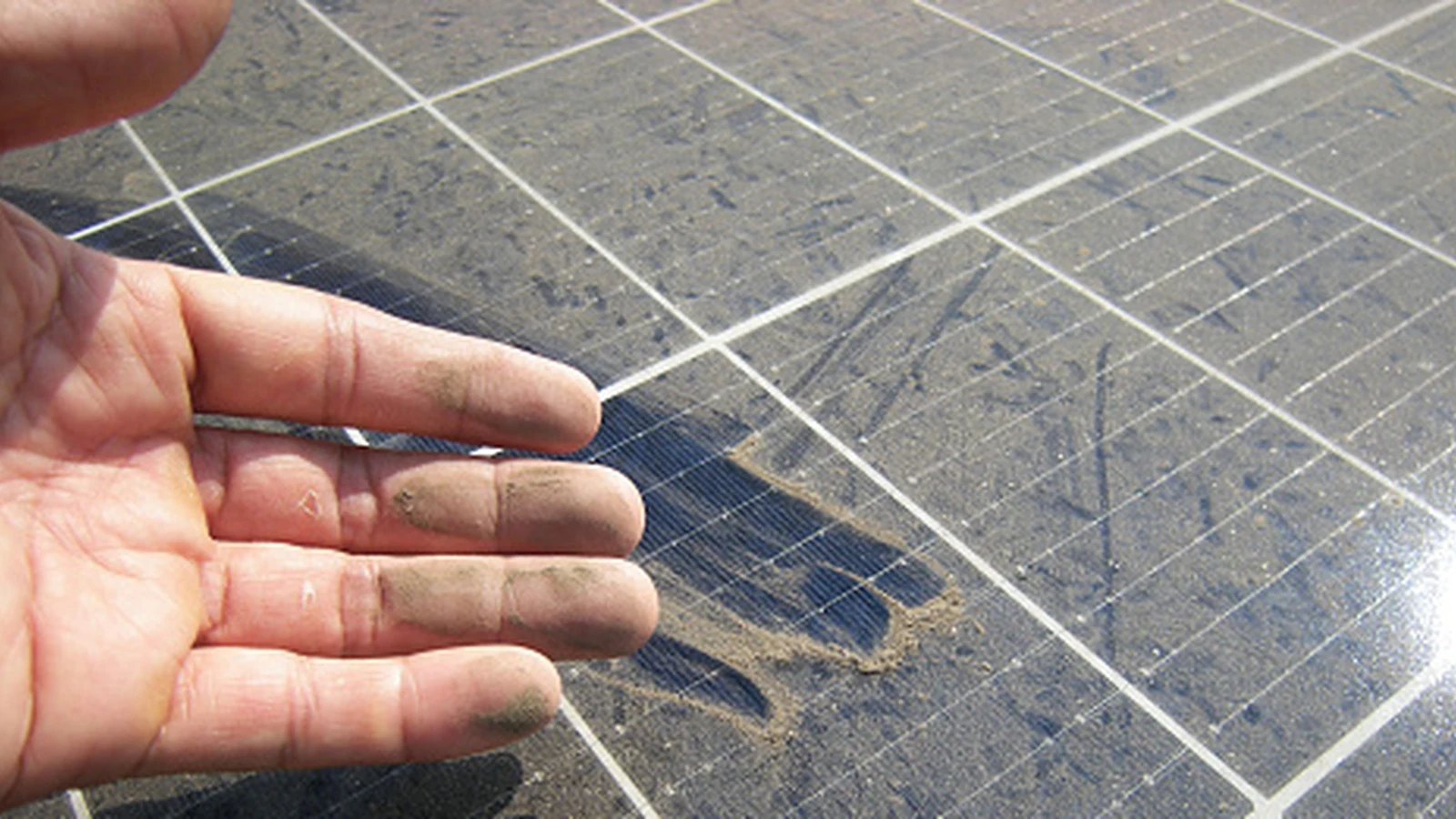
Because solar arrays remain exposed to the elements for the entire duration of their working life, dust, pollen, bird droppings, and grime will inevitably accumulate on the glass surface. While this layer can restrict the amount of sunlight reaching the photovoltaic cells below, not every dusty roof requires immediate attention.
The severity of power loss is not a fixed percentage. Data from the IEA Photovoltaic Power Systems Programme indicates that soiling is responsible for roughly four to seven percent of global photovoltaic energy losses. Furthermore, an NREL study highlighted that pollen alone could reduce energy production by up to 15 percent at several test sites in North Carolina, with rain falling short of completely clearing the residue.
Real-world improvements from cleaning can vary wildly. An informal test on YouTube involving progressively soiled 100-watt panels showed post-cleaning production gains of approximately 2.4 percent, 10.8 percent, and 13.4 percent.
Similarly, a Tesla rooftop array owner reported a much bigger improvement, though that estimate relied partially on projected output figures rather than a strict control setup.
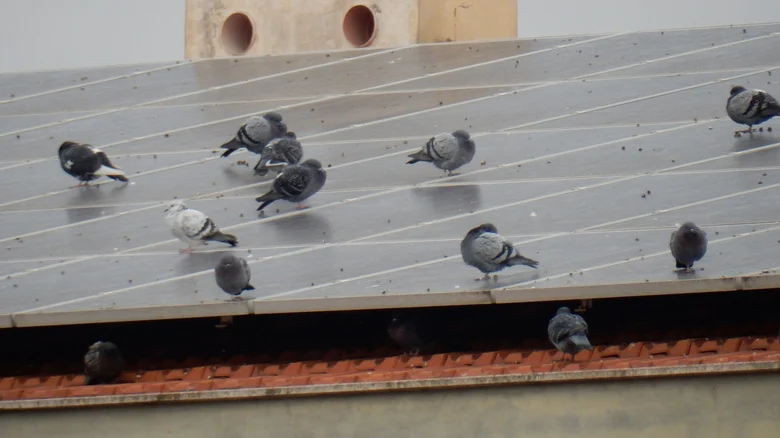
Promised figures claiming that washing your array will automatically unlock another 20 percent in efficiency are rarely guaranteed. While uniform dust leads to steady losses, localized issues like bird droppings can shade individual cells and create hot spots, while severe environments featuring salt-laden air elevate corrosion risks.
The Economics of Cleaning
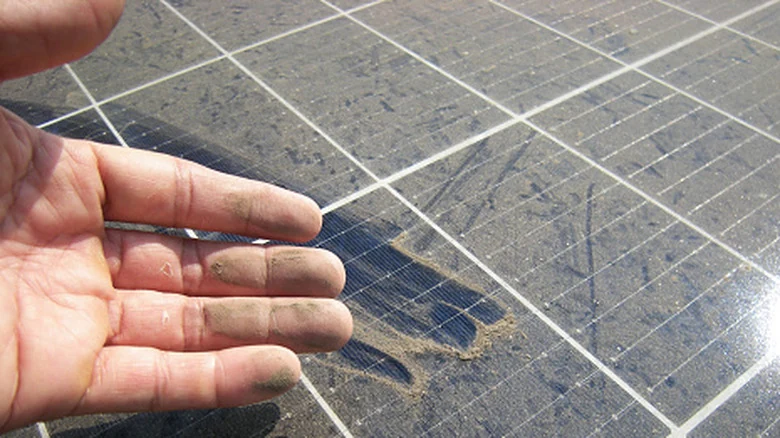
Property owners must also weigh the financial realities of maintenance against actual energy recovery. UC San Diego researchers found that panels left unwashed and without rain for 145 days lost 7.4% of their efficiency.
However, cleaning a typical 5kW residential system halfway through that period would have generated only about $20 in additional electricity value before the dry spell ended.
If grid electricity savings amount to $20 a month while a professional cleaning service costs $200, the payback period stretches across 10 months—a calculation that only makes sense if the grime-induced loss persists continuously.
Data from Thumbtack indicates that most homeowners pay around $209 for professional solar cleaning services, with a national average range spanning from $142 to $310.
Safe Cleaning Best Practices
Attempting to wash panels improperly can lead to costly mistakes, including scratches on protective coatings, hard-water mineral deposits, or damage caused by zealous pressure washing.
The safest approach is to consult the specific manual provided by the panel manufacturer. While some brands permit mild soap, approved glass cleaners, or limited isopropyl alcohol for tough marks, clean water remains the safest starting point.
Because temperature can affect performance too, washing should take place during cooler hours like the early morning or late evening.
Users should inspect the glass for cracks or damage before starting, utilizing a soft sponge, cloth, or non-abrasive extension brush for stubborn grime. Hard water should be avoided to prevent mineral residue buildup, and abrasive pads, metal scrapers, and pressure washers must be strictly avoided.
Manufacturers like Qcells warn that improper maintenance can damage glass or anti-reflective coatings, cause delamination, and void product warranties.
Evaluating Production and Alternative Systems
Instead of relying on visual dust alone, production monitoring data serves as a more reliable indicator. If output drops sharply after an extended dry period or heavy pollen surge, cleaning may be justified.
For homeowners unable to safely access their roofs, hiring trained professionals is recommended. Alternatively, automated cleaning technologies range from timer-controlled rooftop sprinklers for residential properties to fully autonomous, water-free robots like those developed by Ecoppia for utility-scale ground-mounted projects exceeding 50MWp.
Sources
- EngadgetHow to properly clean your solar panels (and why it's important)
Continue chronologically


Related stories
Why Your Electric Vehicle Battery Loses Charge While Parked
Discover why electric vehicle batteries lose charge while parked, from system checks and connected services to cold weather and surveillance features.
Tesla Cancels Cybertruck Releases in Australia and New Zealand
Tesla informs customers that it has discontinued plans to release the Cybertruck in Australia and New Zealand, offering deposit refunds and incentives.

Tesla Plans Cybercab Sales to Transport Companies This Year
Tesla plans to start selling its steering-wheel-free Cybercab to transport companies by the end of the year, amid ongoing federal safety probes.
Tesla Targets 2028 Production for Redesigned Roadster
Tesla has announced a 2028 production target for its redesigned Roadster sports car, following years of delays and a high-profile stunt reveal.