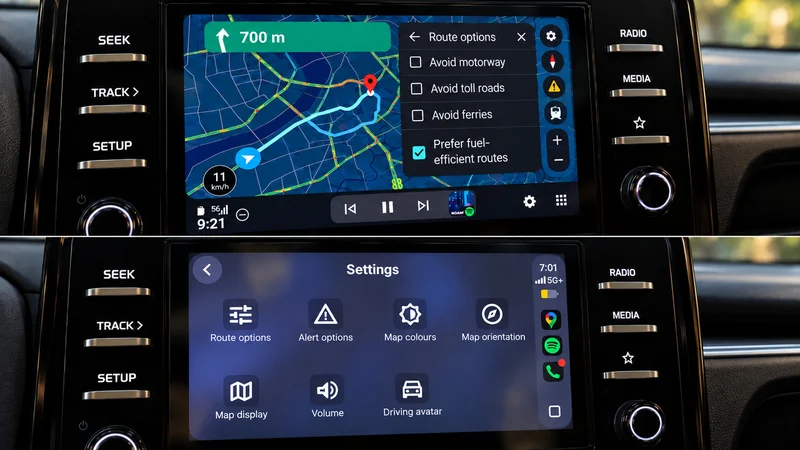
How to Keep Your Phone Cool While Using CarPlay and Android Auto
Using dashboard infotainment systems places heavy processing and battery demands on your handset, which can quickly cause it to heat up.
 Radwan AbdulhadiEditor and technology writer
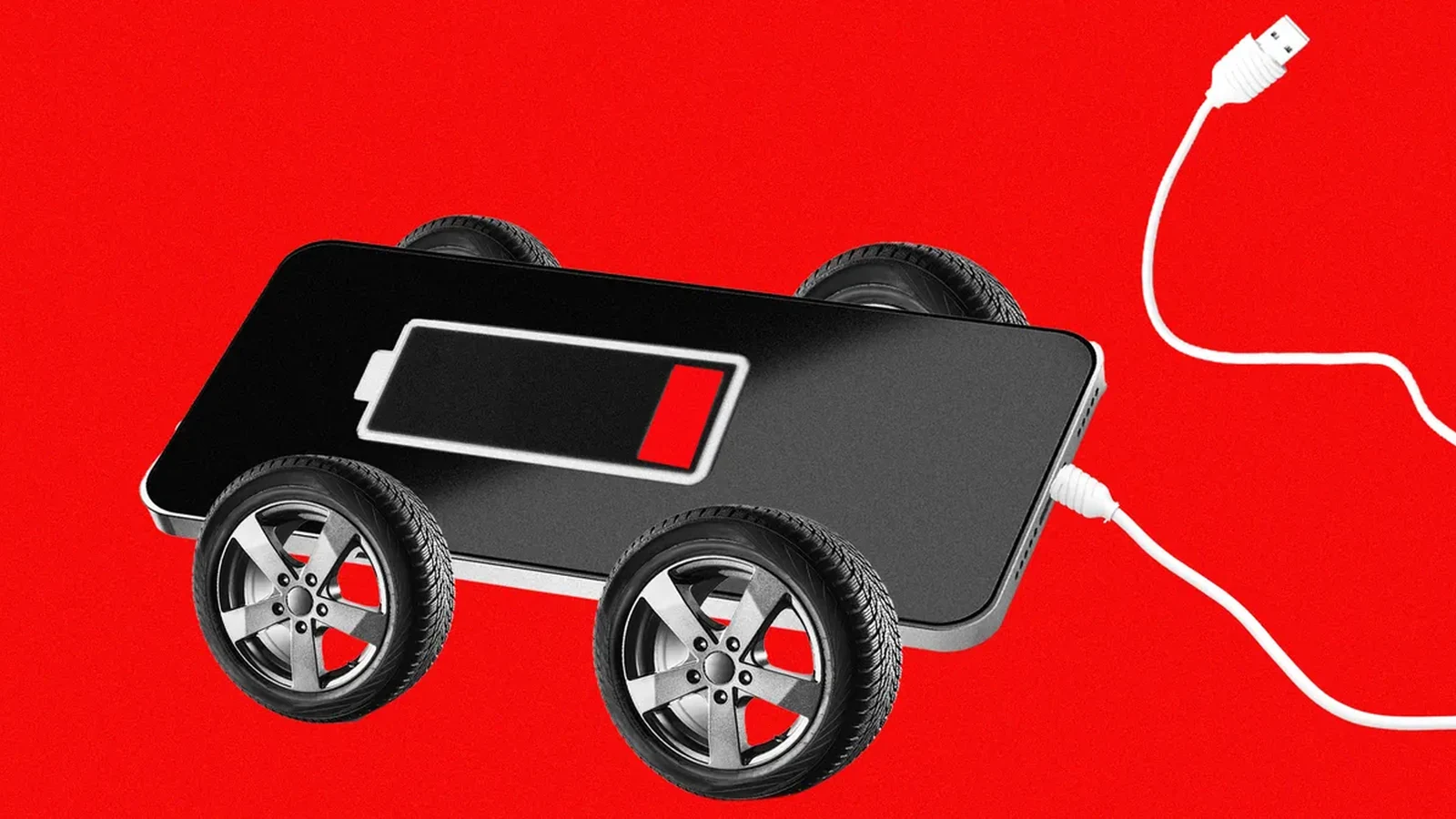
The Hidden Demands of Dashboard Systems
Using in-car infotainment platforms has completely transformed modern driving experiences. Instead of relying solely on factory-installed manufacturer software, drivers can easily interact with contacts, stream music, and navigate via real-time mapping directly from the dashboard. Both <a href="https://www.wired.com/tag/apple/">Apple</a> and <a href="https://www.wired.com/tag/google/">Google</a> offer simple solutions that generally connect automatically following initial setup, with supported vehicle lists continuing to grow.
However, drivers often underestimate the processing demands these systems place on mobile devices. Your handset is essentially performing standard operations while concurrently powering a tablet-like display that constantly refreshes real-time maps. Consequently, devices frequently experience rapid battery drain and elevated temperatures during transit.
Wired Versus Wireless Connections
While wireless <a href="https://www.wired.com/story/android-auto-customizable-shortcut-button/">Android Auto</a> and wireless <a href="https://www.wired.com/story/apple-carplay-2-finally-lands-as-carplay-ultra-but-aston-martin-gets-it-first/">CarPlay</a> offer notable convenience, they place added stress on your hardware. Opting for a wired connection is often preferable, though it introduces a secondary heat concern because the phone constantly charges while plugged in.
To counteract continuous charging heat, users can configure charge limits within their device settings—found under Battery and charging on Android devices or Battery > Charging on iOS. Alternatively, keeping the device in a cool, dark compartment helps mitigate temperature spikes.
Wired setups also open up the possibility of using airplane mode to limit heating, though this requires you to have all necessary media and navigation content downloaded beforehand. If you choose to stick with wireless configurations, try to avoid simultaneous charging—especially on built-in dashboard wireless pads, which tend to generate high levels of heat.
Strategic Placement and Physical Adjustments
Where you position your phone inside the vehicle heavily influences its temperature. If the dashboard interface is already displaying your maps and media, keeping the physical handset mounted directly under harsh sunlight is unnecessary; placing it inside the glove compartment works just fine.
Drivers who utilize phone mounts should consider positioning them directly in front of a vehicle air vent. Blasts of air-conditioned air act as an effective do-it-yourself cooling system, significantly lowering handset temperatures during long trips.
Additionally, removing your phone case for the duration of the trip can prevent heat from becoming trapped against the hardware. Because your handset faces minimal risk of being dropped while driving, shedding the case is a simple way to improve thermal dissipation.
Minimizing Background Tasks and Cloud Dependency
Keeping active phone tasks to a minimum helps lower thermal output. If calls and voice-activated messages can safely wait until the end of the journey, postponing them will give your processor a break.
Syncing music, podcasts, and navigation routes ahead of time reduces the workload on your device while driving. When your handset does not need to constantly pull cloud data or search for cellular signals while moving, modem stress decreases significantly, resulting in lower overall operating temperatures.
Both mapping platforms offer straightforward offline download features. In Apple Maps, users can tap their profile picture, select Offline Maps, choose Add Offline Map, and locate their destination. Similarly, Google Maps allows offline storage by tapping the profile picture, selecting Offline maps, and choosing a custom area for coverage.
Sources
- WIREDApple CarPlay and Android Auto Make Your Phone Hot. Here’s How to Keep It Cool
Continue chronologically
Related entity coverage
Related stories
iPhone Duo vs Pixel 11 Pro Fold: Foldable Flagship Comparison
Compare Apple's iPhone Duo and the Google Pixel 11 Pro Fold across screens, cameras, design, and performance to see how these foldables differ.

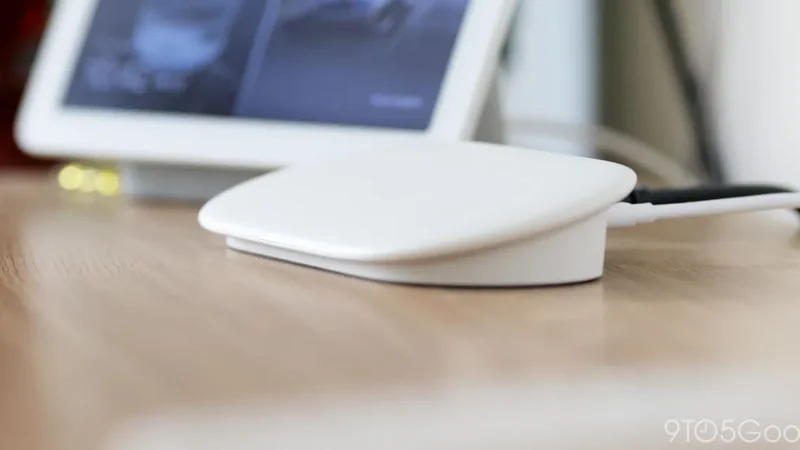
Google TV Streamer Sequel Highlights Smart Home Strategy Challenges
Google is reportedly preparing a next-generation TV Streamer, but the hardware lineup faces mounting competition and calls for ecosystem updates.
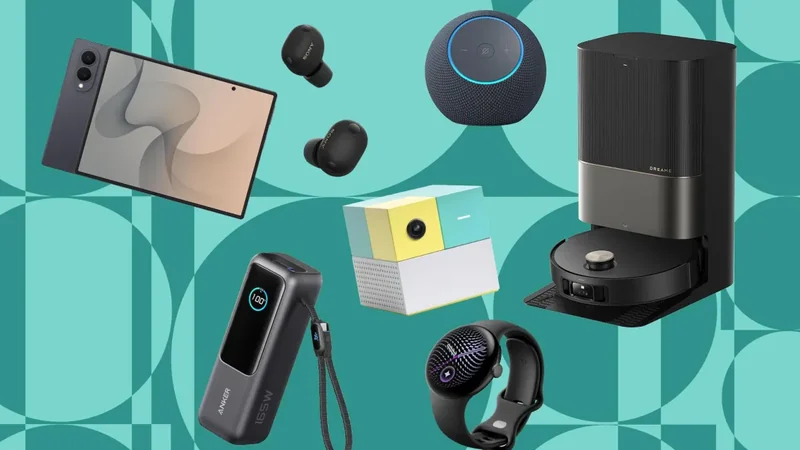
Amazon October Prime Day Deals Guide Highlights Tech Sales
Explore the best October Prime Day deals featured in the guide by The Verge, covering laptops, mobile devices, and popular consumer electronics.
Google Maps Performance on Android Auto vs Apple CarPlay
An analysis of how Google Maps features perform differently on Android Auto compared to Apple CarPlay, highlighting key navigation advantages.