Google Japan Reveals Assembly Line Conveyor Belt Keyboard
Google Japan has added a factory production line-inspired device to its long-running collection of joke prototypes designed to draw attention to Gboard.
 Radwan AbdulhadiEditor and technology writer
An Assembly Line for Your Desk
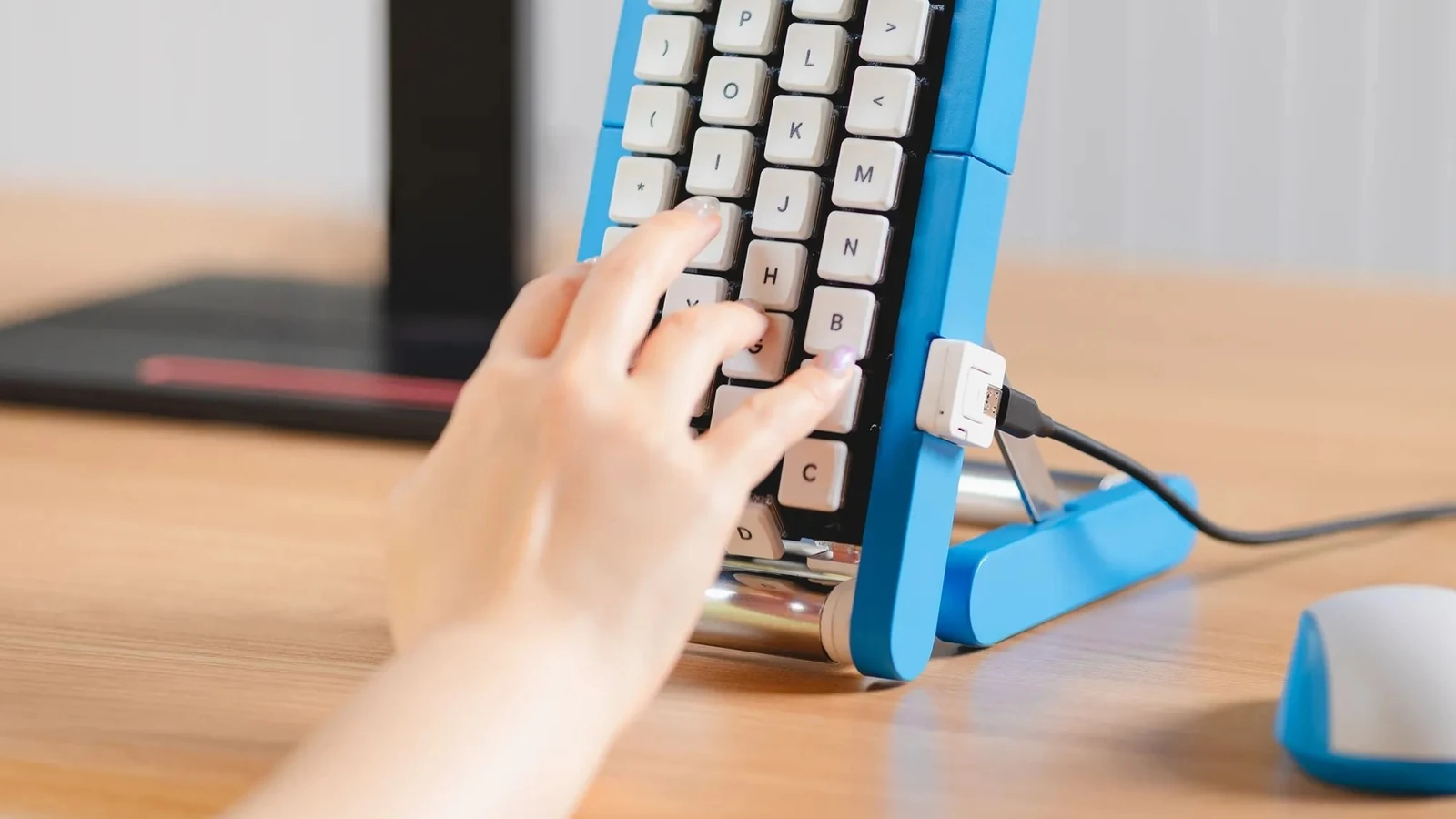
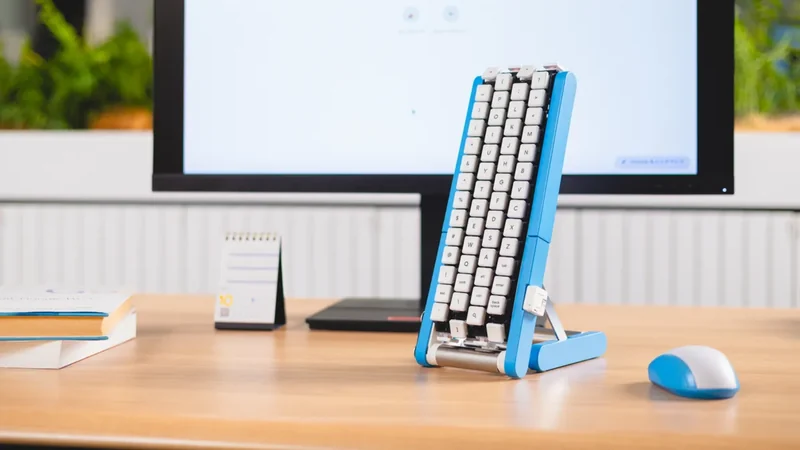
Google Japan has once again captured attention by introducing what may be one of the strangest hardware concepts ever conceived: a conveyor belt keyboard. The device merges the feel of a standard office keyboard with the operational efficiency of an industrial factory production line, bringing a completely new aesthetic to desktop accessories.
According to translated details from the Japanese press release, the device operates through a rotating mechanism that feeds individual keys directly into the user's hand. The engineering behind the concept leans heavily into absurd office ergonomics, potentially forcing a re-evaluation of what users might look for in the best keyboards available on the market today.
Origins of a Wacky Annual Tradition
The unconventional hardware design is not a commercial product, but rather part of a lighthearted annual tradition by the regional Google team to spotlight Gboard, the company's keyboard app for Android devices. This playful custom officially kicked off on April Fools' Day in 2010, when engineers famously unveiled a massive drumset keyboard featuring hundreds of keys to accommodate the thousands of Japanese Kanji characters.
While the initial creation launched in April, the release schedule shifted in 2016, establishing an October 1 tradition for subsequent wacky prototypes. Over the years, these conceptual designs have evolved into a distinct convention for the team, showcasing an inventive and playful corporate culture that rarely surfaces in mainstream hardware announcements.
Building It Yourself via GitHub
Even though consumers cannot purchase the conveyor belt hardware in retail stores, Google has ensured that enthusiasts can still experience the creation firsthand. The development team has published the complete project plans and files on GitHub, allowing anyone with the technical capability and ambition to construct and operate their own DIY version.
The Gboard team defended the unusual utility of the setup with tongue-in-cheek technical reasoning. The blog post claims that the hardware is specifically optimized for one-handed use, arguing that it minimizes physical fatigue because operators simply wait for the correct letters to arrive under their fingertips rather than moving their hands across a traditional layout.

A History of Unconventional Gboard Concepts
The conveyor belt project follows a long line of eccentric past concepts released by the Gboard division over the years. Following the 2010 drumset introduction, the team produced a single-key Morse code keyboard in 2012, demonstrating that simplicity could rival complexity. This particular experiment even paved the way for real-world functionality, as Google eventually integrated Morse code input directly into the official Android app years later.
Subsequent years brought an eclectic array of alternative inputs. These included a 2013 flipcard mechanism, a robotic joystick finger in 2014 designed for users with long or painted nails, a party blower keyboard controlled via infrared sensors in 2015, and mechanical flick typing keys mounted on joystick gimbals in 2016.
The experimental streak continued through the decade with bubble wrap popping recognition in 2017, handwriting directly on keys in 2018, a bent soup spoon configuration in 2019, and a teacup perimeter layout in 2021 designed to prevent liquid spills. More recent iterations featured a single alphabetical row bar in 2022, a keycap-shaped wearable hat in 2023, a Mobius strip double-sided layout in 2024, and a rotary phone interface in 2025.
Sources
- EngadgetGoogle Japan created one of the strangest keyboards ever, and we're dying to try it
Continue chronologically

Related entity coverage
Related stories
Google Japan Reveals Conveyor-Belt Gboard Keyboard
Google Japan has unveiled its latest quirky keyboard creation: a 3D-printable Gboard featuring moving conveyor belts designed for easier one-handed typing.
New Android SMS of Death Exploit Remotely Crashes Phones
A security researcher released a proof-of-concept exploit for an Android SMS of Death flaw that remotely crashes unpatched phones and cellular service.

Google Launches Googlebook Laptops for Android Users
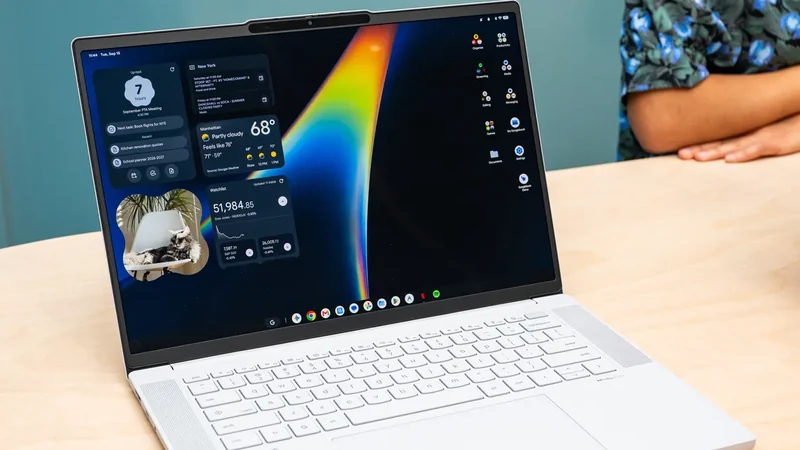
Google has officially unveiled Googlebooks, a new line of laptops designed to provide seamless connectivity and synergy with your Android smartphone.
Jack Dorsey's Bitchat Pulled from App Stores in India
Jack Dorsey's decentralized messaging app Bitchat disappears from Apple and Google app stores in India following government blocking orders.