Google Japan Reveals Conveyor-Belt Gboard Keyboard
Google Japan has continued its annual October tradition by showcasing a peculiar new Gboard featuring keys mounted on conveyor belts, built to make one-handed typing easier by having keys roll directly to the user's fingers.
 Radwan AbdulhadiEditor and technology writer
An Unusual Approach to One-Handed Typing
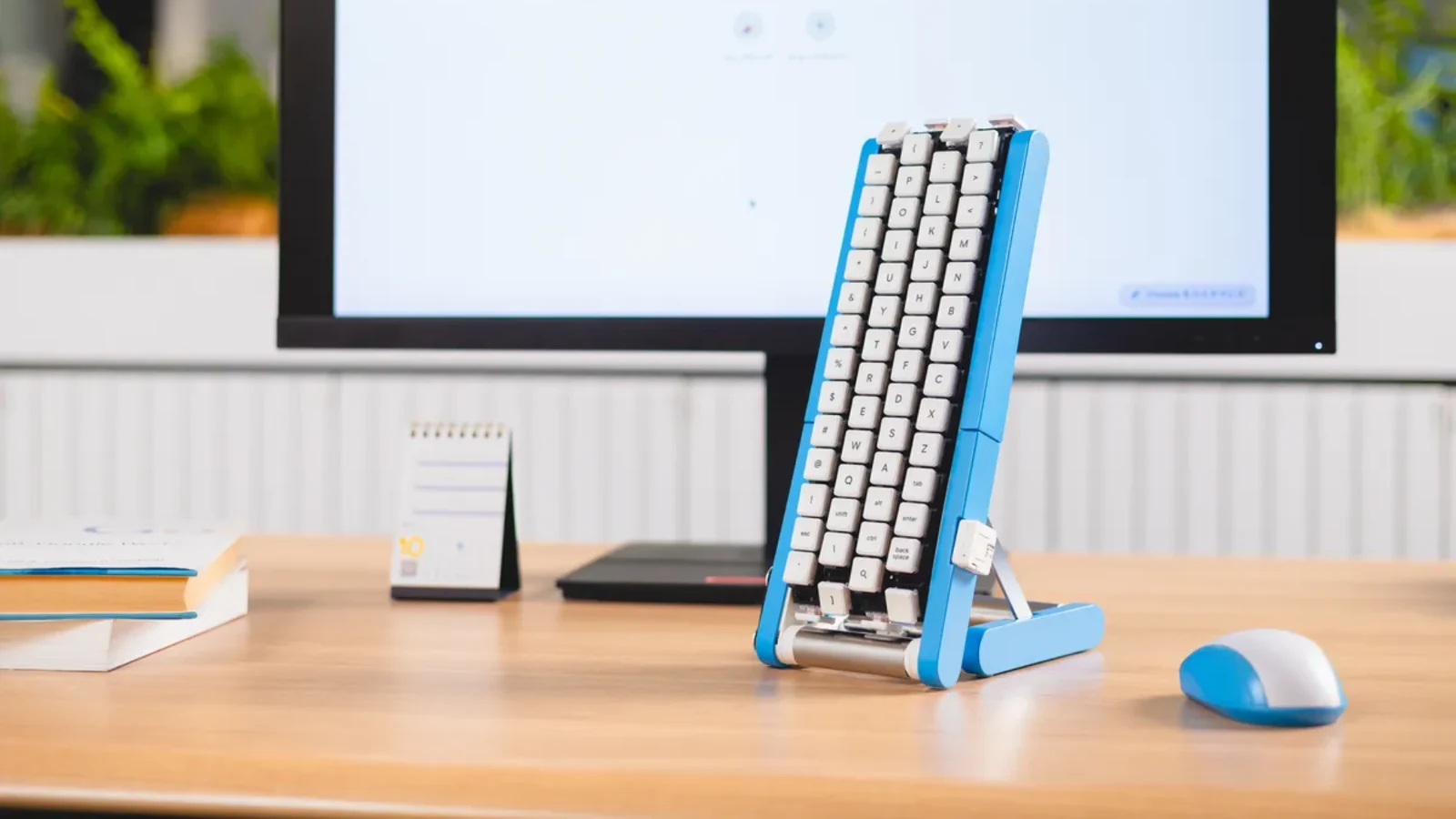
Google Japan has once again captured the attention of the tech world by showing off a quirky keyboard design that utilizes rolling conveyor belts. According to details shared on the company blog, the newly revealed Gboard Conveyor Belt Version was engineered so that the keys flow directly to the user's hand rather than requiring the user to move their fingers or arms extensively across a standard layout. This configuration is intended to make typing significantly easier, particularly when operating with a single hand.
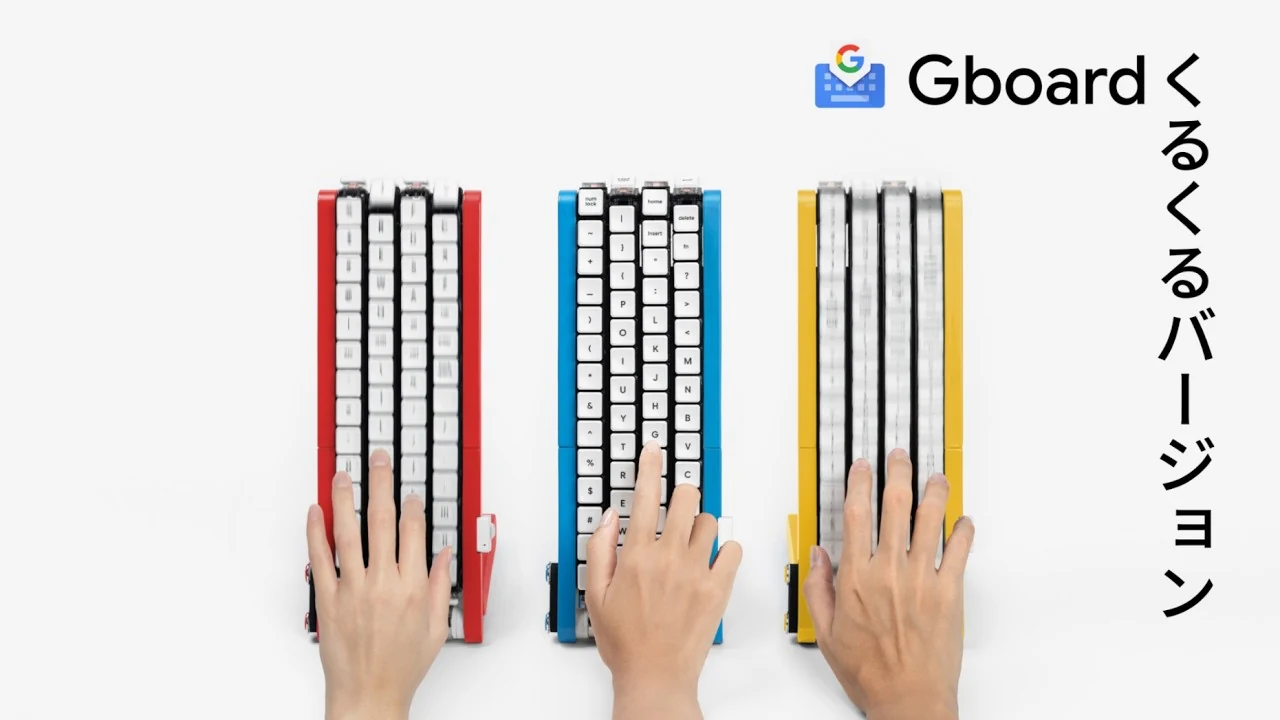
The physical layout of this eccentric device incorporates four distinct belts, with each individual belt holding 29 keys. This arrangement aims to provide an intuitive operating experience despite its unconventional appearance. While the primary version targets desktop use, the creative team behind the project has also explored potential future variations. Concepts under consideration include various color options, high-speed models, and even a shorter version optimized for mobile devices.
Part of an Eccentric Annual October Tradition
The unveiling of the conveyor-belt keyboard aligns with a regional office tradition established by Google's Japanese subsidiary. Initially, the team launched these humorous and imaginative peripheral designs as April Fool's Day jokes beginning in 2012. However, the release schedule shifted in 2021 to the first day of October—styled as 10.1—as a playful nod to the classic 101-key layout popularized historically by the IBM Model M keyboard.
Over the years, this quirky creative series has yielded several memorable and impractical concepts. Past entries include the Gboard Dial Edition, which drew clear inspiration from 1960s rotary phones and offered a deliberately challenging typing experience, and the Double-Sided Gboard, engineered to remain right-side up regardless of its physical orientation. Another notable design was the Gboard bar version, which packed all keys into a single linear row to simplify character searching.
Building Your Own Conveyor-Belt Gboard
While most of these humorous conceptual designs never progress beyond novelty status or practical everyday usefulness, Google Japan ensures enthusiasts can experience them firsthand by releasing open documentation. Detailed plans for the Gboard Conveyor Belt Version have been made publicly accessible online, allowing interested makers to fabricate their own functional hardware units from scratch.
The available assembly assets include complete 3D-printable STL files, necessary KiCad schematics, and PCB layouts. Furthermore, the repository provides the firmware source code and related project files required to successfully operate a working copy of the conveyor-belt keyboard. Beyond this latest model, schematics for numerous previous Google Japan keyboard projects remain accessible in the main directory, enabling builders to recreate any of these unique peripherals.
A Unique Addition to Any Tech Collection
While eccentric hardware concepts of this nature are unlikely to secure spots on standard peripheral recommendation lists or replace conventional mechanical keyboards for high-speed gaming and productivity, they serve as remarkable collector's items. For enthusiasts passionate about unusual technology and conversation-starting desktop displays, projects like the conveyor-belt Gboard offer a fascinating glimpse into playful engineering.
As technology companies continue to explore experimental interfaces and alternative ergonomics, Google Japan's ongoing series demonstrates that hardware design can successfully blend utility experiments with lighthearted community engagement. Comprehensive coverage and ongoing analysis of computer hardware can be followed closely through industry publications like Tom's Hardware.
Sources
- Tom's HardwareGoogle Japan shows off wild conveyor-belt keyboard with keys that move to your fingers
Continue chronologically

Related entity coverage
Related stories
Google Launches Android-Powered Googlebook Laptop Lineup
Google is introducing its new line of Android-based Googlebook laptops on October 4th, featuring deep mobile integration and Gemini AI capabilities.
How to Turn Your Old Windows PC Into a Chromebook for Free
Don't discard your aging hardware. Learn how to repurpose your old Windows or Mac computer by installing ChromeOS Flex for a lightweight and secure experience.

Google Pixel Marks Its 10th Anniversary
Google celebrates the tenth anniversary of the Pixel smartphone line, reflecting on a decade of evolution, hardware changes, and ecosystem expansion.

Google Launches Googlebook Laptops for Android Users
Google has officially unveiled Googlebooks, a new line of laptops designed to provide seamless connectivity and synergy with your Android smartphone.