
Jack Dorsey's Bitchat Pulled from App Stores in India
Decentralized messaging software designed to function without an internet connection has been removed from major app stores in India months after initial regulatory restrictions began.
 Radwan AbdulhadiEditor and technology writer
App Store Removal and Government Orders
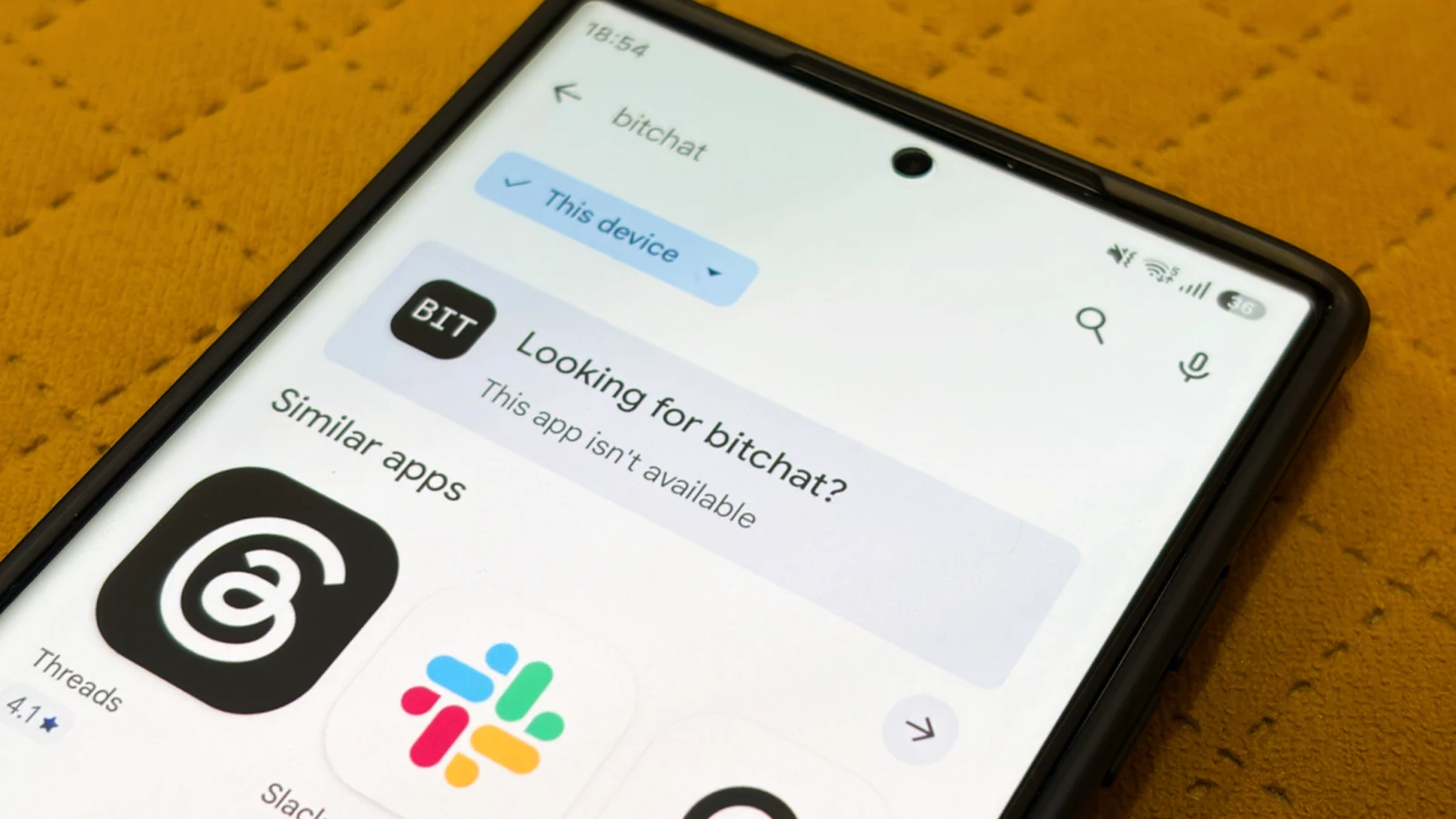
Bitchat, a decentralized messaging application created by Jack Dorsey that is designed to operate without an internet connection, has largely disappeared from Apple and Google app stores in India. According to a notice posted by Dorsey, India's Ministry of Electronics and Information Technology issued a demand to Apple under Section 69A of the Information Technology Act, which serves as the country's primary legal framework for government-ordered online blocking.
While Apple indicated that Bitchat would remain available on its App Store outside of India, local access through its TestFlight beta-testing service was also blocked in the country. Concurrently, the software was unavailable for download through Google Play in India, and the official Bitchat website became inaccessible across various local internet service providers.
Architecture and Functionality Under Scrutiny
Launched in July of the previous year, the platform uses Bluetooth mesh networking to allow nearby devices to exchange encrypted messages without relying on cellular networks, conventional internet access, or centralized servers. This underlying design has drawn intense regulatory scrutiny from federal authorities.
Earlier, Indian authorities had ordered GitHub to take down repositories associated with the open-source messaging application, raising questions among digital rights advocates and legal experts regarding the legal basis for restricting software solely based on its technical capabilities. The government's initial orders pointed out that the application's decentralized architecture makes it difficult for law enforcement agencies to intercept communications, trace users, or prevent usage during official internet shutdowns.
Digital Rights Criticism and Legal Pushback
The Internet Freedom Foundation, a digital rights advocacy group based in New Delhi, criticized the government's latest order, calling it unconstitutional. The organization argued that Section 69A permits authorities to block unlawful information, but does not legally empower them to ban a messaging app purely because of its technical capacity to operate during internet shutdowns. Furthermore, the group noted that neither the formal blocking order nor the specific illegal content cited as the justification for the action had been made publicly available.
Protests and Surging Popularity
The restrictions on the communication tool coincided with a fresh wave of youth-led demonstrations across the country concerning alterations to electoral voter rolls. Protesters gathered in New Delhi demanding the resignation of the chief election commissioner over alleged electoral manipulation, leading law enforcement to detain several individuals during the demonstrations.
In response to civic unrest, authorities suspended internet services around the Jantar Mantar area in New Delhi. Similar internet shutdowns during earlier periods of civil unrest had driven significant spikes in local interest and downloads for decentralized communication alternatives like Bitchat and Briar, data from market intelligence firm Sensor Tower previously revealed.
Sources
- TechCrunchJack Dorsey’s Bitchat disappears from app stores in India after government order
Continue chronologically


Related entity coverage
Related stories
Why Is This the Only Pink MacBook Available Right Now?
Explore why Apple's vibrant color options remain scarce on higher-end laptops, leaving the MacBook Neo as the sole rosy hue in the lineup.
Brian Chesky: AI Agents Need an AI-Native Operating System
Airbnb CEO Brian Chesky discusses the state of consumer AI, the limits of current chatbots, and why AI agents require a dedicated operating system.

Apple Store Architect Skeptical of AI-Driven Shopping Future
Ron Johnson, the pioneer behind Apple's retail success, argues that physical stores remain vital despite the industry's multi-billion dollar bet on AI.
Google Gemini Could Soon Get Full Access to Mac Files
Google is reportedly testing desktop control features for Gemini on macOS, which could allow the AI to read files, open apps, and browse the web.