Abandoned Popcorn Time Apps Disabled to Prevent Botnet
Security researchers have intervened to disable an abandoned updater for the popular piracy streaming software, averting a massive potential botnet threat across millions of active installations.
 Radwan AbdulhadiEditor and technology writer

A Forgotten Streaming Legacy
During the 2010s, the application known as <a href="https://www.theverge.com/2015/10/23/9603070/popcorn-time-movie-piracy-app">Popcorn Time</a> gained massive popularity as an easy-to-use front end for streaming torrents of television shows and movies, frequently drawing the ire of the MPAA. Although official development of the software has been <a href="https://www.theverge.com/2015/10/23/9600576/popcorn-time-history-timeline">abandoned for years</a>, millions of devices around the world still retain active installations of the application.
According to a recent disclosure by <a href="https://labs.eye.security/operation-ixim-preventing-a-botnet-of-millions-of-popcorn-time-users/">Eye Security</a>, researchers found that the updater for a specific Popcorn Time fork named "Time4Popcorn" was still running on numerous Windows, macOS, and Android systems. The application continued to phone home to web domains that had long been abandoned, utilizing unencrypted HTTP connections alongside an insecure, outdated version of the Chrome browser.
Vulnerabilities and Botnet Risks
Niels Teusink of Eye Security explained that the lingering updater presented a severe cybersecurity risk. Because of how the application functioned, malicious actors could have leveraged the updater to install and execute virtually any kind of software with full system privileges.
An attacker could have easily achieved this by taking over one of the abandoned domains, executing a man-in-the-middle attack targeted at specific devices, or performing surveillance to identify which machines were actively running the vulnerable software.
Intervention and Mitigation Strategy
Faced with the prospect of an enormous zombie bot army, the security researchers formulated a remediation plan. Their solution involved registering one of the abandoned domains themselves and utilizing it to dispatch an update designed solely to disable the updater component.
While acknowledging potential ethical concerns regarding the intervention, the team stated that their only alternative "was to do nothing." They emphasized that the underlying update process was no longer serving any functional purpose and was merely compounding risk for everyday users.
Platform Execution and Handover
Eye Security detailed that on Windows devices, their remediation update simply stopped and disabled the vulnerable service via the Service Control Manager without deleting any personal files. For macOS users, the mitigation deployed a shell script to execute a command blocking the update process from launching.
The researchers did not explicitly detail automated fixes for Android devices, noting that installing updates on that mobile operating system would still require user interaction. The team was also forced to adjust their update script after it was uploaded to VirusTotal, which caused security programs to mistakenly flag the patch as malware.
Although the exact total of vulnerable machines remains unclear, Eye Security confirmed it sent out over two million update downloads by March. At that point, the team halted active distribution and transferred control of the domains to the <a href="https://www.shadowserver.org/">Shadowserver Foundation</a>, a web security non-profit organization.
Sources
- The VergeAbandoned Popcorn Time apps had to be disabled to prevent a zombie army
Continue chronologically

Related entity coverage
Related stories
Abandoned Popcorn Time App Vulnerability Exposed Millions
Researchers neutralized a critical remote code execution vulnerability in the abandoned Time4Popcorn app, protecting millions of users from potential botnets.

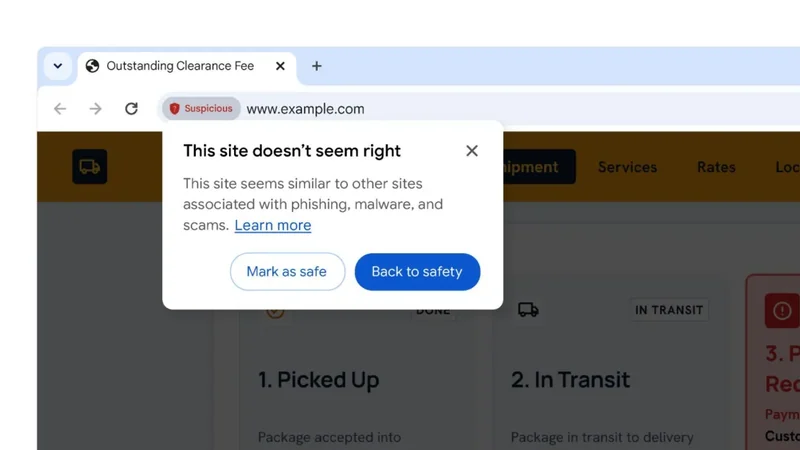
Google Chrome Introduces Suspicious Site Warnings
Google Chrome is launching a new two-stage browser safety feature designed to warn users about suspicious and dangerous websites before they visit them.
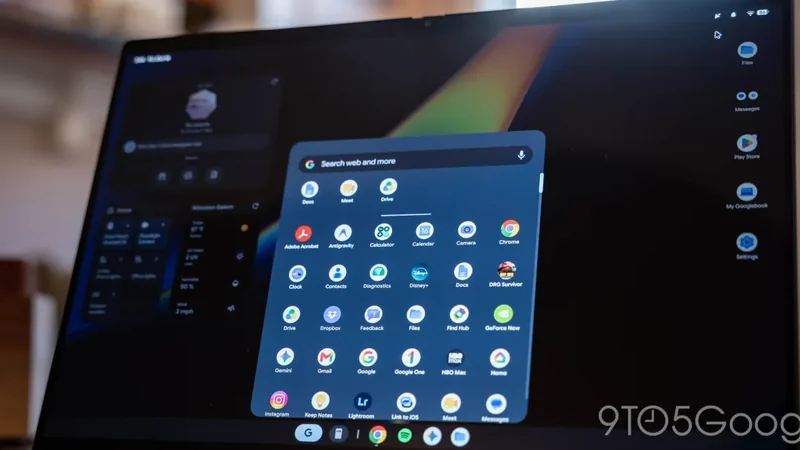
Chrome 156 for Googlebook Launches With 14 Updates
Google is rolling out Chrome 156 for Googlebook via the Play Store, bringing 14 updates, improvements, bug fixes, and new AI mode features.
Google Cuts Ties After Partner Turns 1.3M Devices Into Botnet
Google dismantles a covert backdoor built by an Android partner, which turned 1.3 million set-top boxes and IoT devices into an active financial botnet.