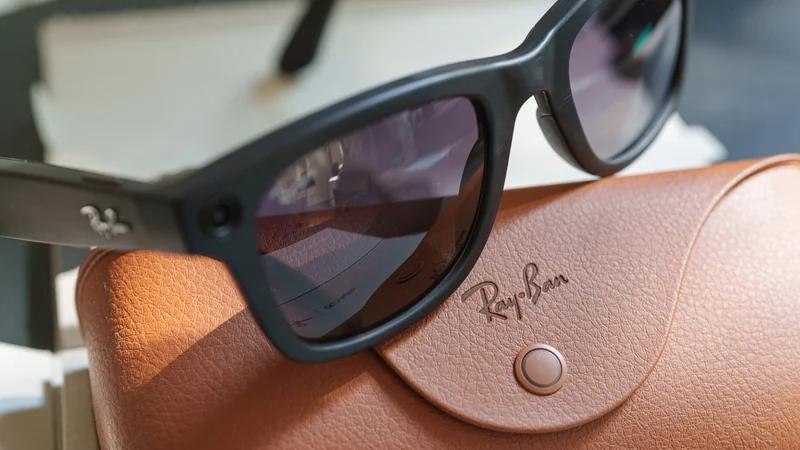
When AI Glasses Could Replace Your Headphones
Smart AI glasses are increasingly popular, but evaluating whether their open-ear audio can truly replace traditional headphones depends on everyday use cases.
 Radwan AbdulhadiEditor and technology writer

The Evolution of AI Smart Glasses
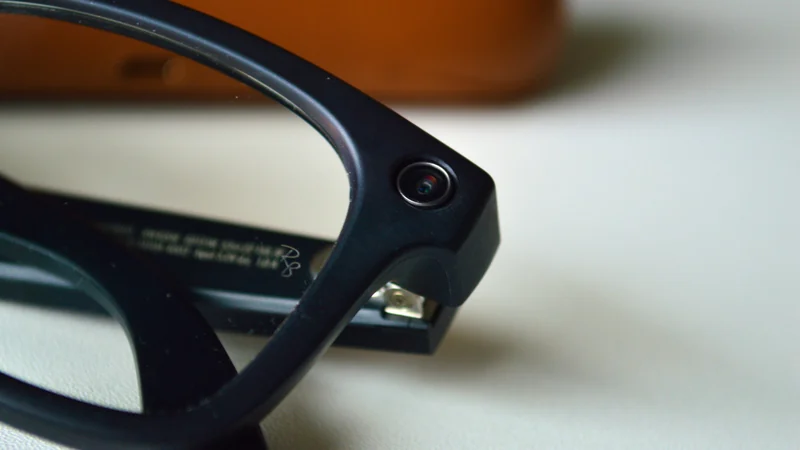
Artificial intelligence glasses have grown steadily in popularity over the past few years, introducing new possibilities such as an always-available digital assistant or integrated cameras. Among these wearable devices, models like the Ray-Ban Metas introduced in October 2023 generated mixed public reactions due to their built-in recording capabilities.
Due to privacy backlash and restrictions imposed by certain establishments such as MSC Cruises and Royal Caribbean, manufacturers began producing camera-free alternatives. The Ray-Ban Meta Audio provides most of the core features of its camera-enabled counterparts while delivering an enhanced sense of privacy for everyday wearers.

Sound Quality Versus Convenience
When evaluated strictly on audio fidelity, tiny speakers housed within a conventional glasses frame cannot compete with dedicated, large-scale headphones designed for portable sound. For users whose primary priority is pure sound quality, smart glasses are generally not the ideal choice.
However, when examining overall ease of use, portability, and comfort, AI smart glasses present distinct advantages that traditional headphones and earbuds cannot easily replicate. Because they sit naturally on the face as regular eyewear, they remove the burden of carrying a separate gadget.
Situational Awareness and Open-Ear Audio
A major differentiator between smart glasses and conventional headphones is the open-ear listening experience. High-end headphones typically isolate users from their surroundings, which is helpful for immersion but dangerous when external audio cues like traffic honks require attention.
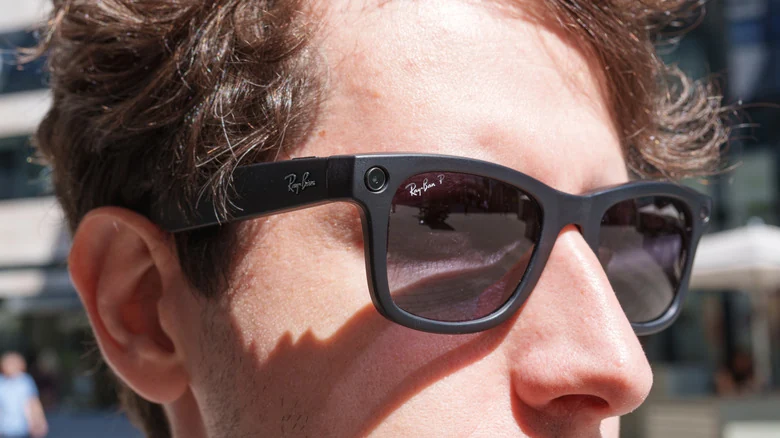
AI glasses direct sound straight into the ear while keeping the ear canal unobstructed. Users can listen to music or podcasts while remaining fully aware of their environment, and even hold a conversation with a store clerk by simply swiping the side of the frames to lower the volume.
Everyday Assistance and Notifications
While promotional marketing often highlights complex tasks like requesting stock market updates, everyday use tends to be more practical. Having the AI voice automatically read incoming messages and reminders helps users minimize phone pickups and avoid prolonged screen time.
While regular headphones paired with Siri or Google Gemini can perform similar tasks, they require the user to actively wear them when a notification arrives. Smart glasses remain on the user throughout the day, ensuring alerts are received immediately.

Phone Calls and Fatigue Reduction
Phone calls represent an area where AI glasses frequently outperform traditional headphones. Holding a mobile phone to the ear for an extended period causes physical fatigue, while over-ear headphones can trap heat and earbuds create an isolated seal.
Conducting a call through smart glasses eliminates heat buildup and allows users to walk around, hear street sounds, or watch television simultaneously. Although open-ear speakers exhibit minor sound bleed in quiet rooms, noise leakage during transit on buses or trains remains minimal.
Sources
- EngadgetWhen AI glasses could be a worthy headphones replacement
Continue chronologically


Related entity coverage
Related stories
Meta Glasses Nova Gen 3 Review: Iterative Upgrades
Read our comprehensive review of the new Meta Glasses Nova (Gen 3). Discover the latest design changes, battery improvements, and AI features.
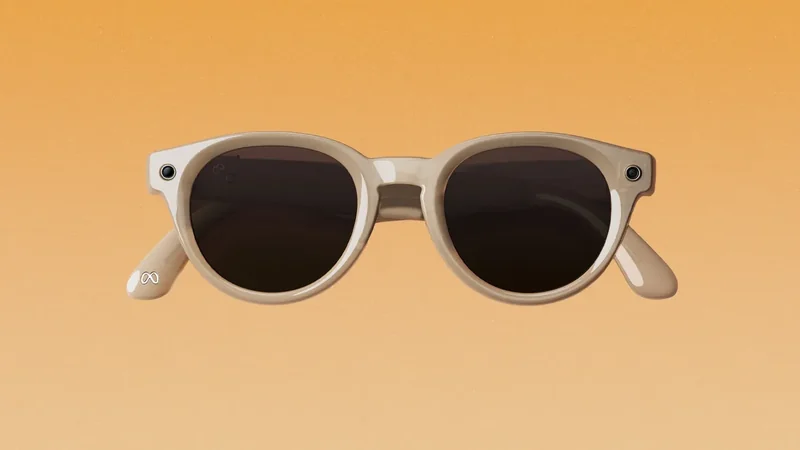
Ray-Ban Meta Audio Glasses Review: Camera-Free Wearables
Meta introduces the Ray-Ban Meta Audio glasses priced at $349, offering a camera-free design, improved battery life, and open-ear audio.
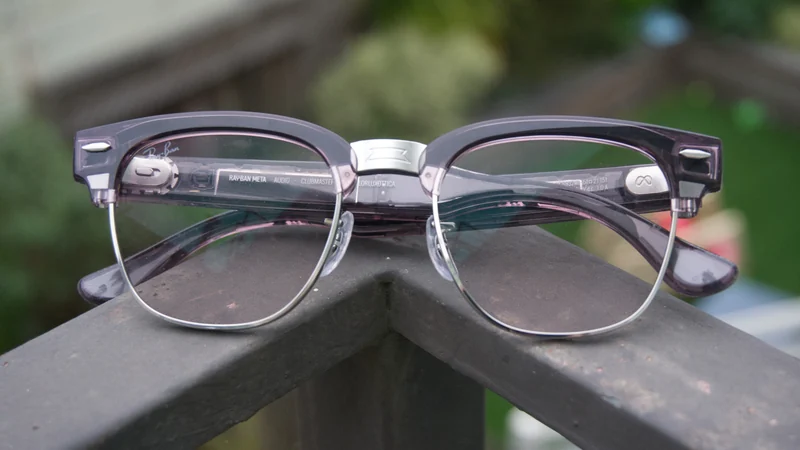
Can AI Glasses Replace Your Daily Prescription Eyewear?
Explore the pros and cons of replacing your regular prescription glasses with AI smart glasses, including weight, battery life, and privacy concerns.
4 Ray-Ban Meta Privacy Settings to Change Now
Explore four crucial privacy settings for Ray-Ban Meta smart glasses to manage cloud storage, AI training features, and voice wake phrases.