Windows XP Debuts: Looking Back at Microsoft's Landmark OS
Marking 25 years since its retail debut, Windows XP remains one of Microsoft's most significant and enduring operating system launches.
 Radwan AbdulhadiEditor and technology writer
The Historic Launch of Windows XP
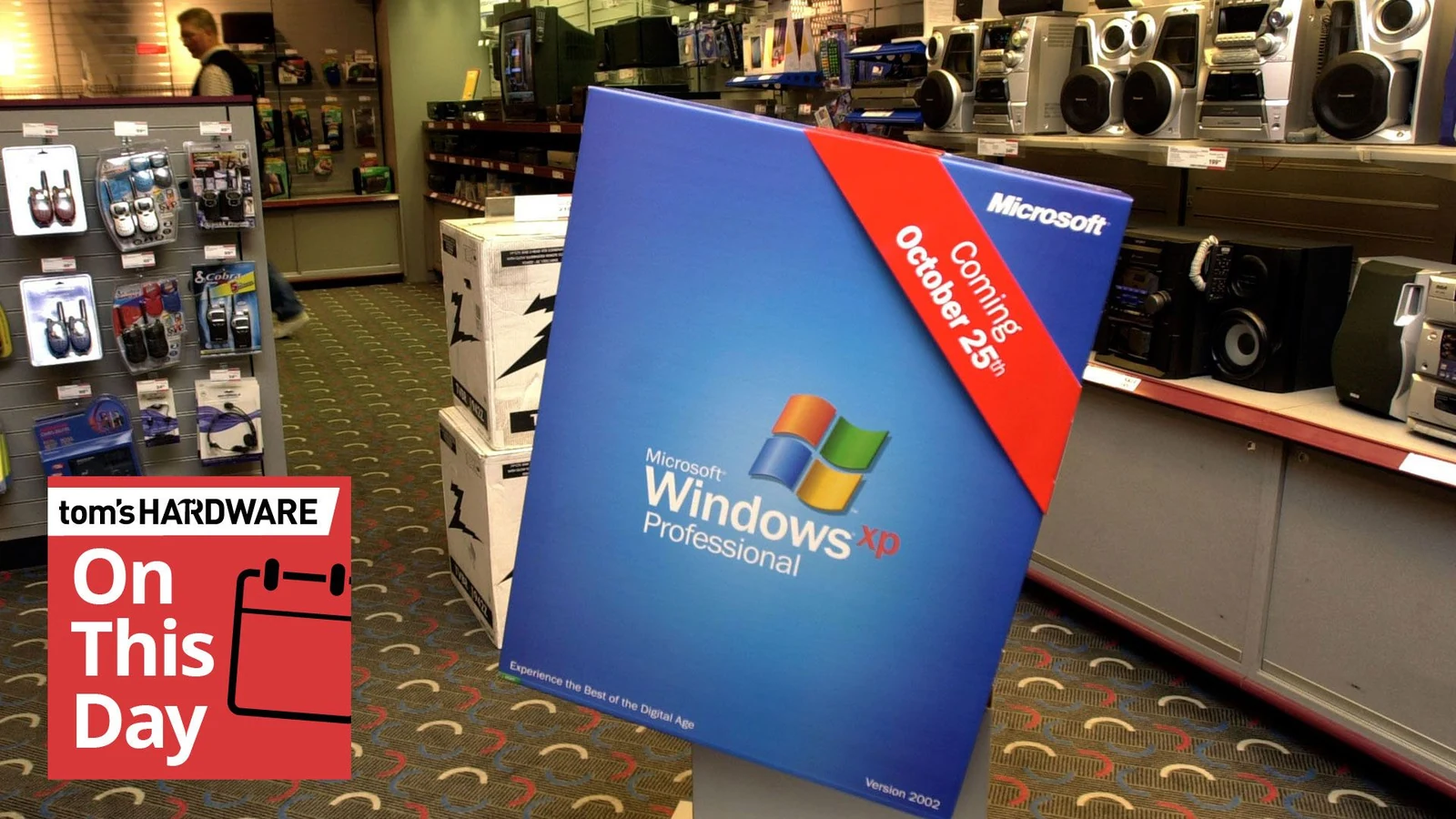
According to reporting by [Tom's Hardware](https://www.tomshardware.com/software/windows/windows-xp-debuted-25-years-ago-today-microsofts-biggest-launch-since-95-was-its-first-consumer-os-to-remove-the-dos-underpinnings), Windows XP first became available at retailers back in 2001. It was ushered in with [Microsoft](https://www.tomshardware.com/tag/microsoft)'s largest and glitziest launch event since Windows 95, arriving as an operating system designed to deliver modern underpinnings and features to everyday consumers.
The New York City launch event in 2001 served as the centerpiece of a lavish $500 million marketing campaign planned by the company. However, celebrations were somewhat muted due to the aftermath of the September 11 attacks. Consequently, the software giant dropped its intended 'Prepare to Fly' launch slogan in favor of 'Yes You Can.'
Despite the somber backdrop, the launch featured NYC Mayor Rudy Giuliani joining Bill Gates on stage. Gates framed the debut as evidence that New York was back and open for business. Retail stores such as CompUSA, Circuit City, and Best Buy even opened at midnight so that eager tech enthusiasts could get their hands on fresh copies of [Windows XP](https://www.tomshardware.com/software/windows/30-years-later-the-iconic-green-hill-from-windows-xps-bliss-wallpaper-is-still-thriving-new-picture-captures-the-hill-looking-almost-identical-to-the-original).
Breaking Away from MS-DOS
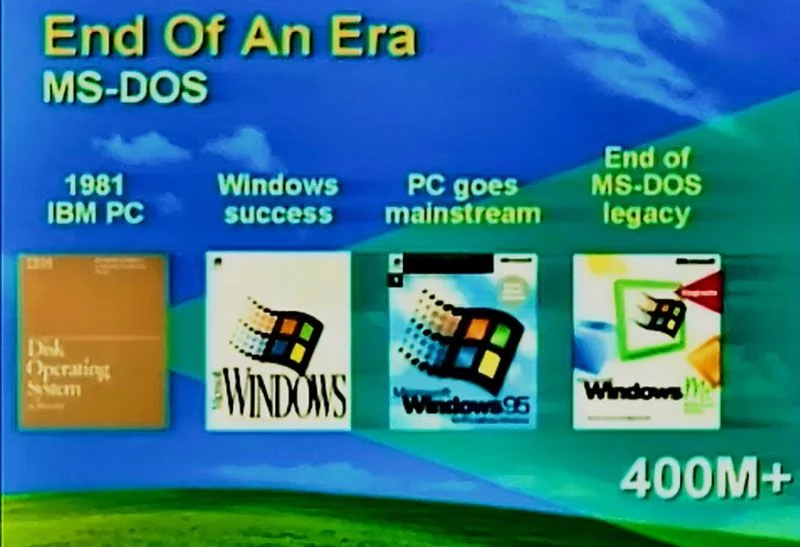
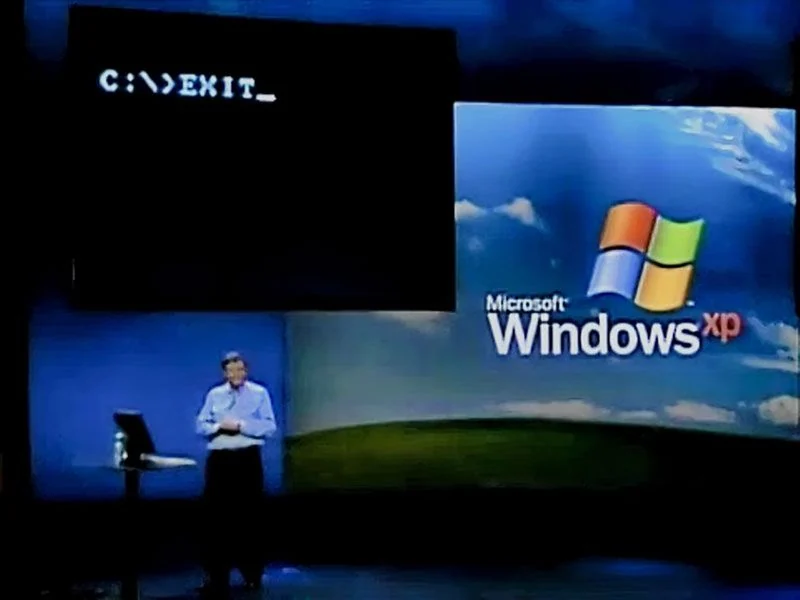
During the launch presentation, Bill Gates stated that the debut of the new operating system marked the end of the MS-DOS era. For many years, MS-DOS had underpinned user interfaces and shells used across various consumer versions, stretching all the way up to the much-maligned Windows Me.
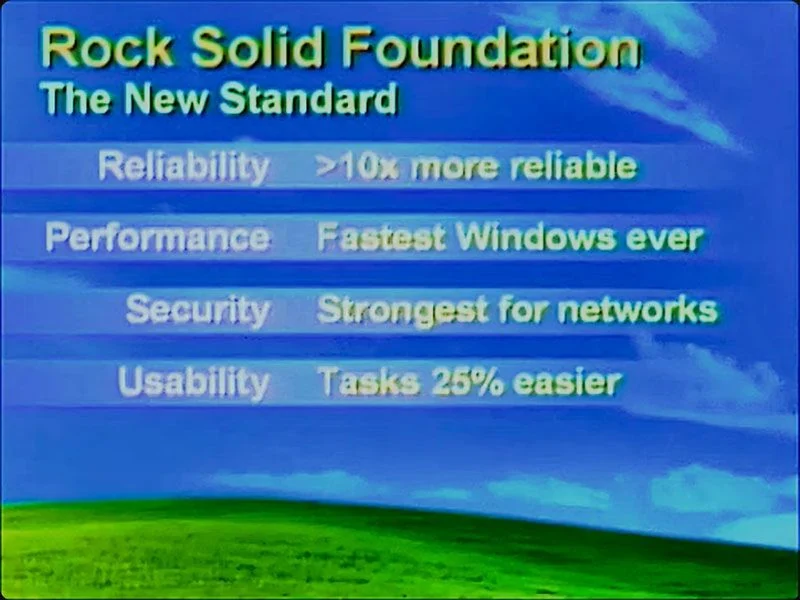
Bringing the Windows NT core to consumer PCs effectively replaced archaic DOS restrictions and driver issues. This architectural shift allowed the software to earn widespread acclaim for reliability, performance, and security, while its user interface was claimed to make everyday tasks significantly easier to complete.
New Technical Capabilities and Features
The operating system introduced a variety of technical features that were enthusiastically welcomed by users and builders alike. Notable additions included robust USB plug-and-play support, built-in CD burning software, and ClearType support designed to enhance text clarity as LCD monitors began replacing bulky CRT displays on office and home desks.
Gamers also benefited from updates during the platform's lifecycle, which saw the arrival of DirectX versions ranging from 8.1 up to 9.0c, cementing the software as a premier gaming environment for its era.
An Extended Lifespan and Legacy
Throughout its supported life spanning from October 2001 to April 2014, the software received three major Service Pack releases. Its remarkably lengthy extended support period allowed many users to skip Windows Vista entirely following its January 2007 release, moving straight to Windows 7 when it arrived in October 2009.
Looking back across computing history, it is notable that the platform's overall lifespan exceeded that of Windows 10, a system famously launched as the final version of the operating system family.
Sources
- Tom's HardwareWindows XP debuted 25 years ago today
Continue chronologically

Related entity coverage
Related stories
Oldest Working Windows 11 GUI App Found in 1992
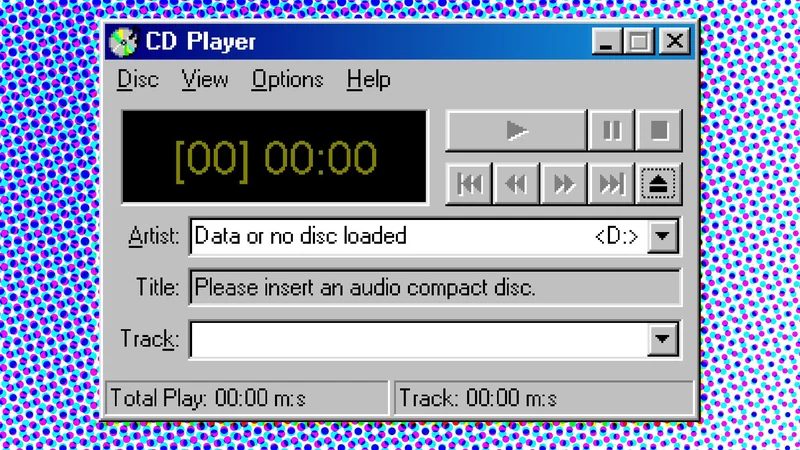
A technology enthusiast discovers that CDPLAYER.EXE from November 1992 is the oldest GUI application working natively on Windows 11.
Microsoft adds Intel APX support to Windows 11 Insider
Microsoft is preparing for future processors by introducing an early Advanced Performance Extensions setting for Windows 11 Insiders.
Veteran Microsoft Engineer Builds Custom PDP-11 RAM With AI
Faced with expensive vintage hardware prices, former Microsoft engineer Dave Plummer used AI tools to design a custom FPGA RAM board for a PDP-11.
Windows 11 Marks Five Years Since Official Release
Microsoft's operating system marks its fifth anniversary since release, reflecting on early hardware controversies, AI pushes, and recent updates.