Science Shows Why Workplace Bosses Need to Talk Less
As workplace research accelerates through archived virtual sessions, organizational psychologists are finding clear strategies to make meetings more effective and inclusive.
 Radwan AbdulhadiEditor and technology writer
The Rise of Meeting Science
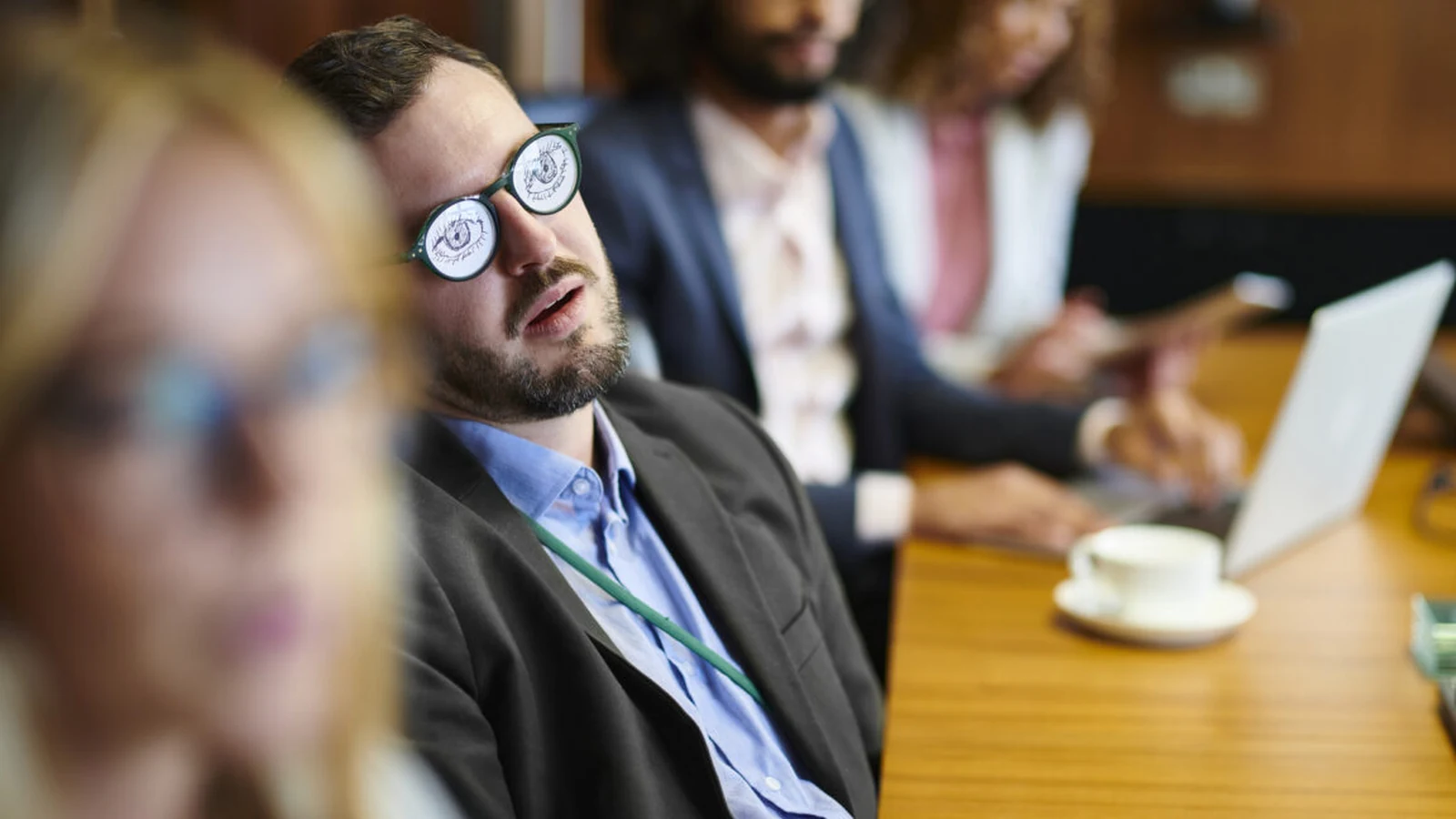
Close to 1 billion meetings take place each day globally, consuming a massive portion of the workday for CEOs and managers. Despite this immense time investment, understanding what workplace gatherings actually accomplish has historically been limited. However, a growing specialization among organizational and social psychologists known as meeting science is changing that dynamic. Researchers are now analyzing vast quantities of archived virtual data to gain a fascinating window into human behavior.
Meeting to talk helps fulfill basic human needs to connect, communicate, and cooperate. While people have historically gathered in various settings to get things done or share ideas, meeting scientists specifically study gatherings defined by having a goal or structure. Liana Kreamer, an organizational psychologist at the Florida Institute of Technology, coauthored a review of over three decades of meeting science in the 2026 Annual Review of Organizational Psychology and Organizational Behavior to better understand how humans organize and interact as social beings.
The Problem with Bosses Talking Too Much
To study these dynamics, researchers typically utilize classic surveys or extract specific behaviors and trends from audio and video recordings. Industrial and organizational psychologist Nale Lehmann-Willenbrock, director of the Center for Better Work at the University of Hamburg, notes that precise content analysis serves as a primary hub for uncovering team interaction patterns.
Investigations into leadership communication reveal that respectful, attentive inquiry by meeting leaders leads to enhanced team performance. This positive outcome starkly contrasts with scenarios where leaders ask questions but fail to listen attentively to the responses. Furthermore, the balance of speaking time heavily influences how participants perceive a meeting's success. Lehmann-Willenbrock points out that leaders frequently talk the most, which explains why they often evaluate their own meetings quite favorably.
Kreamer emphasizes that while meeting leaders must lead, they should never dominate the discussion. Leaders need to actively monitor the proportion of time they spend speaking to ensure multiple voices are included. Additionally, research shows that active listening goes far beyond passive acknowledgement, requiring listeners to thoughtfully provide feedback—a practice that is frequently disrupted in virtual environments where participants routinely mute themselves.
Improving Virtual and In-Person Gatherings
Meeting science supports a practical checklist for leaders to implement before, during, and after meetings. Recommended steps include choosing appropriate rooms and lighting, inviting only necessary attendees, starting and ending on time, preparing clear agendas, and allowing time for pre-meeting conversation. Lehmann-Willenbrock explains that pre-meeting small talk acts as a beneficial warmup phase, particularly helping introverted and quieter participants make more active contributions.
Because informal banter is rare in virtual formats, leaders should consider establishing norms that encourage arriving early or dedicating the first few minutes to informal check-ins. To boost overall inclusiveness during idea generation, Kreamer recommends silent brainstorming—also known as brainwriting. This approach utilizes a shared virtual space, such as a chat or online document, enabling all participants to contribute simultaneously without the fear of interruption or having to speak up immediately.
Neurodiversity and Meeting Fatigue
Meeting science is also exploring the unique needs of neurodiverse participants. Zofia Walters, a doctoral student in industrial organizational psychology working alongside Kreamer, has been studying how different workplace practices impact employees. Her research suggests that measures like minimizing distractions, documenting instructions, utilizing shared calendars, and building regular check-ins benefit all employees while offering specific advantages for individuals with ADHD.
In a recent survey assessing virtual meeting experiences, Walters gathered data on meeting effectiveness, fatigue, emotional states, multitasking habits, and camera usage. Unpublished findings from the survey indicate that individuals with ADHD reported heightened levels of meeting fatigue, particularly when keeping their cameras turned on for extended periods, highlighting the importance of tailoring meeting structures for diverse workplace needs.
Sources
- Ars TechnicaScience says your boss should talk less in meetings
Continue chronologically
Related stories
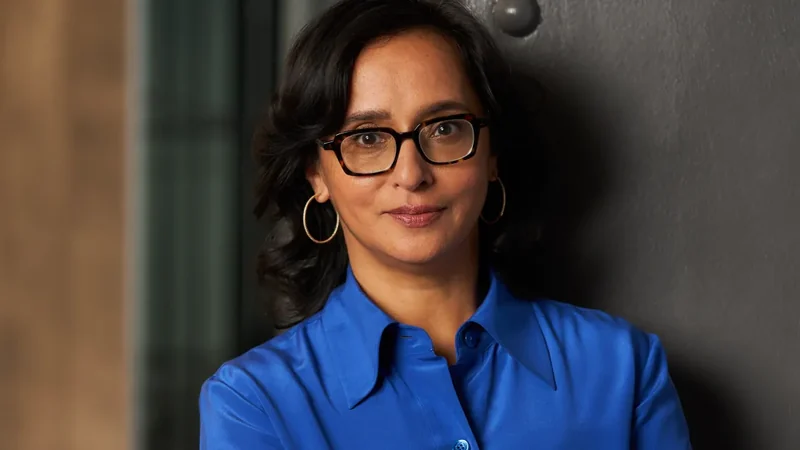
Splice CEO Kakul Srivastava Warns AI Kills Conversations
Splice CEO Kakul Srivastava explains why AI-written documents and push-button music tools harm genuine human collaboration and creative conversations.
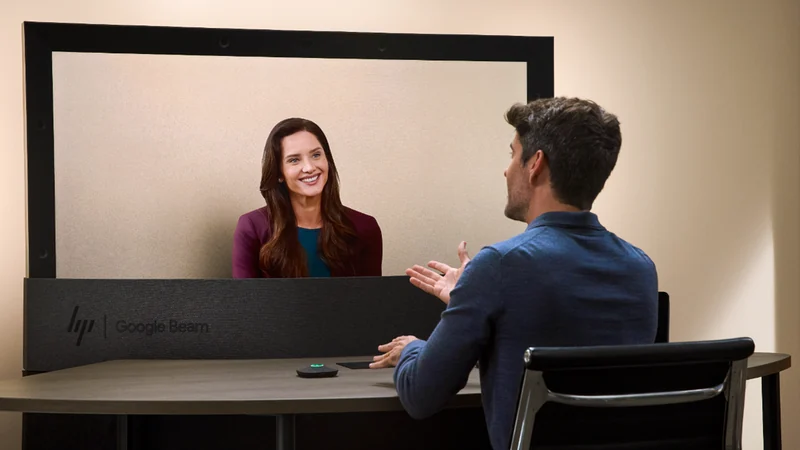
Google Beam Expands Globally With New Partners and Regions
Google Beam expands to six countries with 18 channel partners and a new extended workspace network through a partnership with Industrious.
Project ProtoStar Unveiled to Make Public Science AI-Ready
Project ProtoStar brings together universities and open science communities to make publicly funded research datasets and models AI-ready.
AI Breakthrough Upends Decades of Computer Science Research
Both Anthropic and OpenAI claim to have disproved the exponential time hypothesis, rendering vast swaths of theoretical computer science research obsolete.