Bose Launches USB-C Wired Earbuds With Active Noise Cancellation
Bose has re-entered the wired audio space with a new pair of USB-C earbuds that bring active noise cancellation to a traditional form factor.
 Radwan AbdulhadiEditor and technology writer
A Wired Resurgence
Wired headphones and earbuds have experienced a notable market resurgence. Following years of decline after [Apple courageously removed the headphone jack](https://www.theverge.com/2016/9/7/12838024/apple-iphone-7-plus-headphone-jack-removal-courage) from the iPhone in 2016, sales actually went up this year. This renewed popularity is partly tied to younger generations embracing wired designs alongside the revival of vinyl and tape decks, with celebrities frequently spotted wearing them.
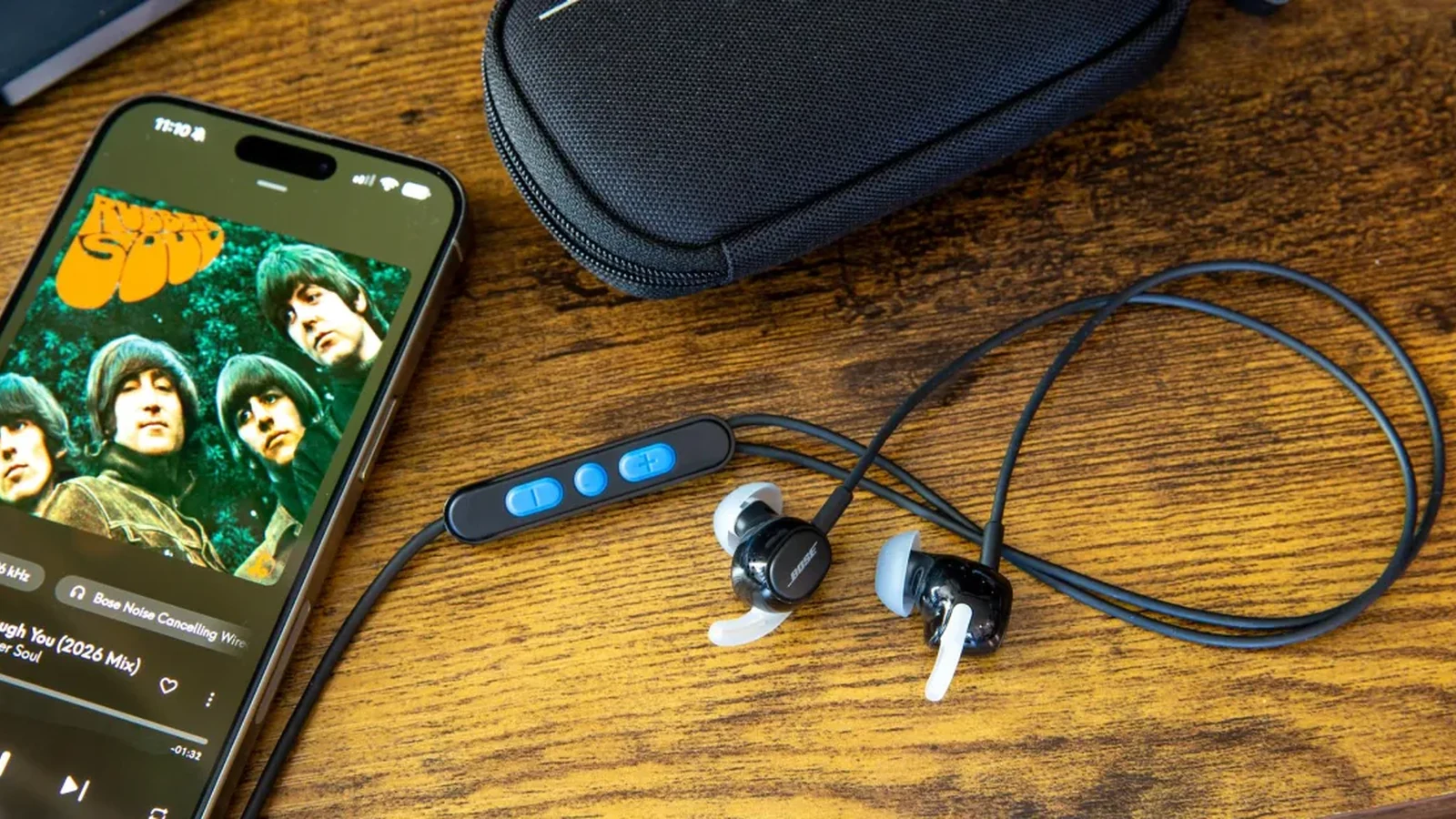
Capitalizing on this trend, Bose has introduced the [Bose Noise Cancelling Wired Earbuds](https://bestbuy.7tiv.net/c/482924/614286/10014?u=https%3A%2F%2Fwww.bestbuy.com%2Fproduct%2Fbose-noise-cancelling-usb-c-wired-earbuds-with-in-line-microphone-and-remote-white-smoke%2FJ7C5V6WWZS). Priced at [$99 at Bose](https://www.anrdoezrs.net/links/101881227/type/dlg/https://www.bose.com/p/earbuds/bose-noise-cancelling-wired-earbuds/NCWEARB-HEADPHONEIN.html) and also available as [$99 at Best Buy](https://bestbuy.7tiv.net/c/482924/614286/10014?u=https%3A%2F%2Fwww.bestbuy.com%2Fproduct%2Fbose-noise-cancelling-usb-c-wired-earbuds-with-in-line-microphone-and-remote-white-smoke%2FJ7C5V6WWZS), these new in-ears are designed to provide a straightforward listening experience without requiring Bluetooth pairing, dedicated charging routines, or companion applications.
USB-C Power and Active Noise Cancellation
Unlike traditional analog wired earbuds that rely strictly on passive isolation, the new Bose model connects via a USB-C interface. Traditional 3.5mm or 4.4mm analog connectors lack sufficient power delivery for active noise cancellation. While older models like the 2013 QuietComfort 20 required a bulky rechargeable battery pack embedded in the cable, the new USB-C variant draws the minimal power needed for ANC directly from the connected phone or computer.
The active noise cancellation performance is solid for the price point. It effectively blocks low-frequency sounds such as air conditioners and low truck rumbles, though it struggles to completely mute nearby conversations. Additionally, a slight high-end hiss can be detected when ANC is enabled but no audio is playing.
Audio Performance and Hardware Design
The wired connection eliminates audio lag, ensuring that sound and video sync seamlessly. Furthermore, the earbuds support high-res audio at 24-bit/48kHz, delivering clear, bright vocals and punchy bass. Because the system lacks an app, there are no software EQ options to manually adjust high-end brightness.
For physical controls, the in-line remote features three rubberized buttons that manage volume, media playback, and noise-canceling mode selection with fast response times. The package includes three ear tip sizes and two sets of stability wings to accommodate different ear shapes, alongside an IPX4 water-resistance rating for light rain or workouts.
Drawbacks of the Wired Format
Despite their convenience and sound quality, physical cables introduce typical operational annoyances. The 4.2-foot cable easily catches on objects such as desk corners, clothing zippers, bag straps, and door handles unless carefully routed under a shirt or tucked into a pocket. Cable noise from friction traveling up the wire is minimized by the insulation, but remains present.
The microphones located on the in-line remote are also sensitive to wind interference, creating a distracting high-frequency artifact outdoors when transparency or noise-canceling modes are active. Furthermore, because the microphone captures significant ambient noise, users making frequent phone calls in busy public environments may find the call quality lacking.
Sources
- The VergeBose makes a strong argument to tether to your phone again
Continue chronologically


Related entity coverage
Related stories
Amazon Prime Big Deal Days Tech Discounts Are Now Live
Amazon's Prime Big Deal Days event features discounts on tech gear including headphones, MacBooks, Kindle e-readers, and smartphones through October 8th.
Bose QC Headphones (2nd Gen) Hit Lowest Price Yet
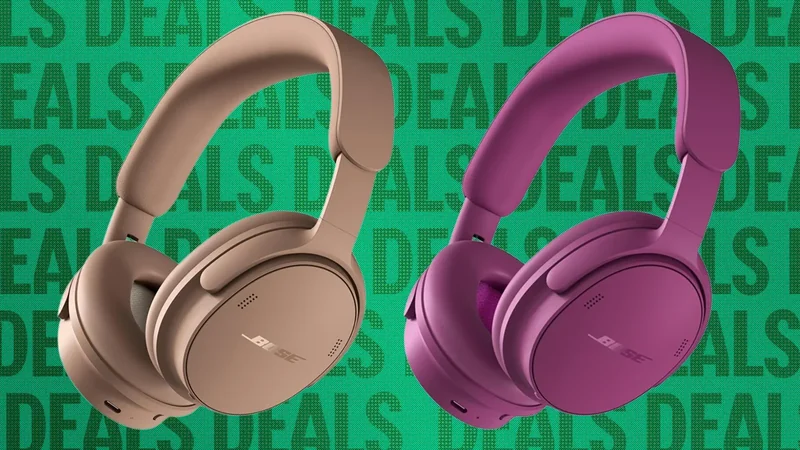
Bose QuietComfort Headphones (2nd Gen) receive their first major discount since launching, offering steep savings ahead of Black Friday.
Early October Prime Day Deals Feature Amazon Hardware and Tech
Amazon is rolling out early discounts ahead of October Prime Day, featuring reductions on devices like Bose speakers, charging docks, and tech accessories.
Best Buy Bundles $100 Gift Card With Touchscreen MacBook Pro Preorders
Best Buy is offering a $100 gift card automatically added to your cart when you preorder the new touch-enabled MacBook Pro in 14- or 16-inch sizes.