Splice CEO Kakul Srivastava Warns AI Kills Conversations
Splice CEO Kakul Srivastava shares her perspective on generative artificial intelligence, why she distrusts AI-generated text in remote workplaces, and how the sample platform balances human creativity with new technology.
 Radwan AbdulhadiEditor and technology writer
The Intersection of Creativity and Technology
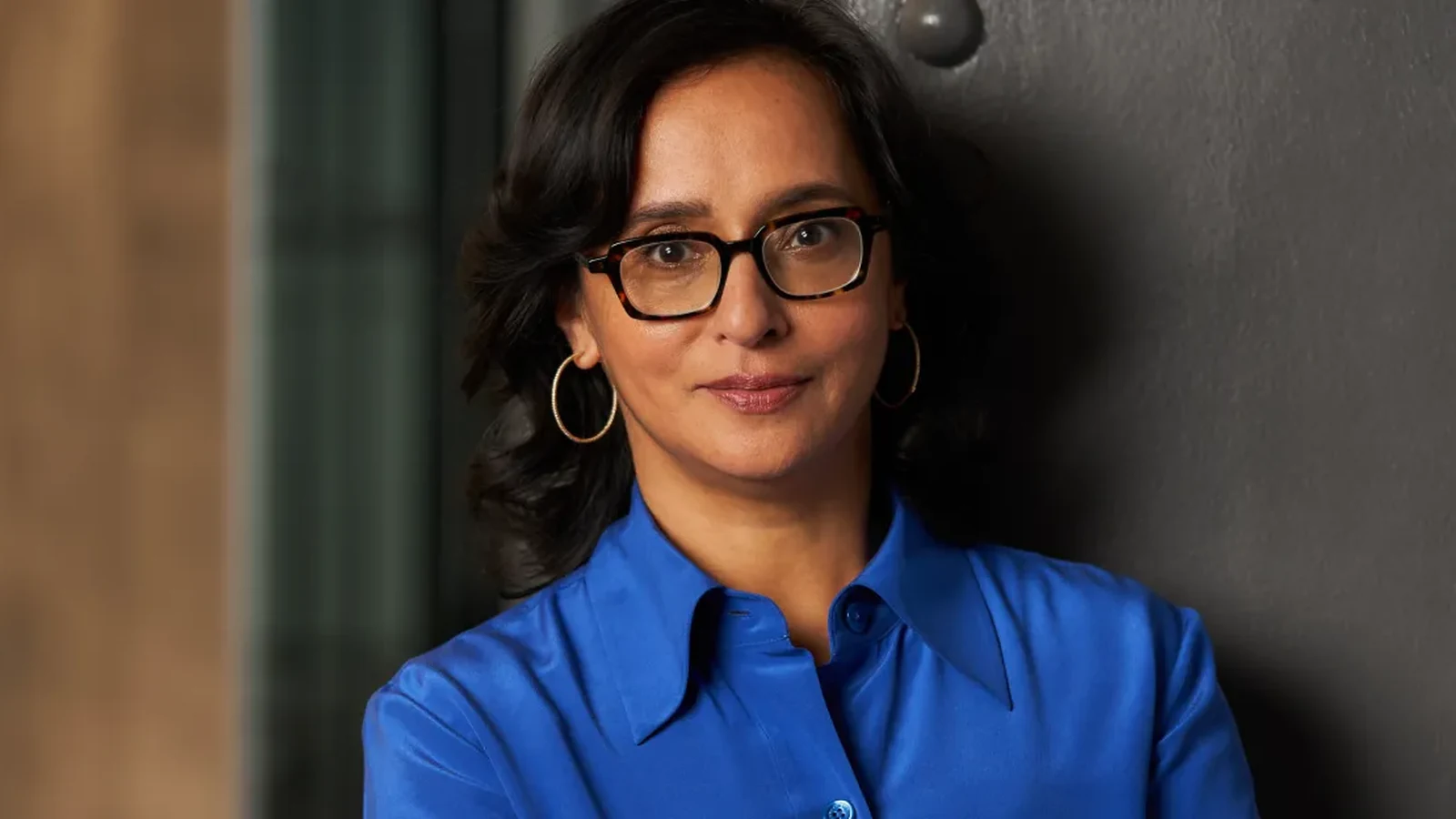
Kakul Srivastava serves as the CEO of Splice, a prominent sample platform that countless producers rely on for one-shots and melodic loops. Samples pulled from the service have found their way into massive chart-topping hits like Lisa’s " Money " and " Espresso " by Sabrina Carpenter. Before taking the helm at Splice, Srivastava held notable executive roles across the technology industry, including positions at Flickr, Yahoo, GitHub, and Adobe.
Throughout her career, Srivastava has consistently found herself working at the intersection of Silicon Valley and creative industries. That dynamic has been especially apparent at Splice, where she has expanded the platform's overall footprint through strategic moves such as acquiring Spitfire Audio, while simultaneously overseeing the company's explorations into the complex and rapidly evolving world of generative artificial intelligence.
Skepticism Toward Generative Music AI
Last year, Srivastava emerged as very outspoken regarding the dangers of avoiding the sort of push-button, get-song artificial intelligence systems that have made companies like Suno so controversial within the broader music and production communities. Based on her recurring commentary and recent insights, her skepticism toward automated creation tools has not waned.
When approaching product development, Splice has made a deliberate point of offering artificial intelligence products that still keep human creators firmly at the center of the entire creative process. Rather than replacing the producer with an automated algorithm, the platform aims to support traditional workflows and enhance human ingenuity.
The Impact of AI on Workplace Communication
Srivastava’s cautious stance on artificial intelligence extends far beyond audio production tools and creative samples into how she and her team communicate internally. Because Splice operates as a remote-first organization, the company lacks a physical hallway where employees can casually run into each other and exchange spontaneous ideas.
Instead, the company relies heavily on team members sitting down to actually think something through thoroughly, followed by constructive pushback and debate from colleagues. Srivastava notes that almost every good development at the company originated from this thoughtful framework, which is precisely why she maintains strict caution regarding artificial intelligence-written documents.
Losing the Human Element in Written Discourse
According to Srivastava, once a person can no longer tell whether an actual human being stands behind a set of words, the subsequent conversation changes fundamentally into something worse. She emphasizes that you cannot really go back from that dynamic once it permeates team communication. Srivastava draws a direct parallel between automated text in the workplace and automated creation in music.
Without genuine human intent and effort driving the initial document or creative piece, the collaborative dialogue loses its foundational integrity. Authentic team discussions require accountability, distinct perspectives, and transparent human thought rather than polished machine-generated output.
Reflecting on Past Industry Lessons
Srivastava’s extensive background in technology includes early work with Tiny Speck, the company that eventually evolved into Slack. Before developing Slack, the team built Glitch, a massively multiplayer open world game that she remembers as one of the most beautiful projects of her career, spanning art, sound, writing, and intricate world design.
Despite its artistic merits, Glitch ultimately failed due to major tectonic shifts that the team did not account for in time. The experience taught her valuable lessons about large industry transitions—such as the shift away from Flash and the rapid migration of gaming experiences to mobile platforms—reinforcing her appreciation for human adaptability and foresight in technology leadership.
Sources
- The VergeSplice CEO Kakul Srivastava thinks AI emails are killing conversations
Continue chronologically

Related stories
Adobe Premiere Mobile Arrives on Android Devices
Adobe has officially brought its mobile video editing application to Android, offering free core tools and optional AI-powered creative features.

GitHub Copilot Updates for Slack and Microsoft Teams
GitHub introduces updates for GitHub Copilot in Slack and Microsoft Teams, bringing enhanced context, model switching, and workflow tracking.
OpenAI Introduces Dots Personal AI Agents at DevDay
OpenAI announces Dots, new proactive and always-on personal AI agents capable of handling tasks using their own cloud computer and connected apps.
OpenAI Unveils Features Aiming at App Store Model
OpenAI reveals new features at Dev Day aimed at disrupting the traditional app store model by turning ChatGPT into a software discovery and usage hub.