Russia Deploys New 3D-Printed Filin Cruise Missile
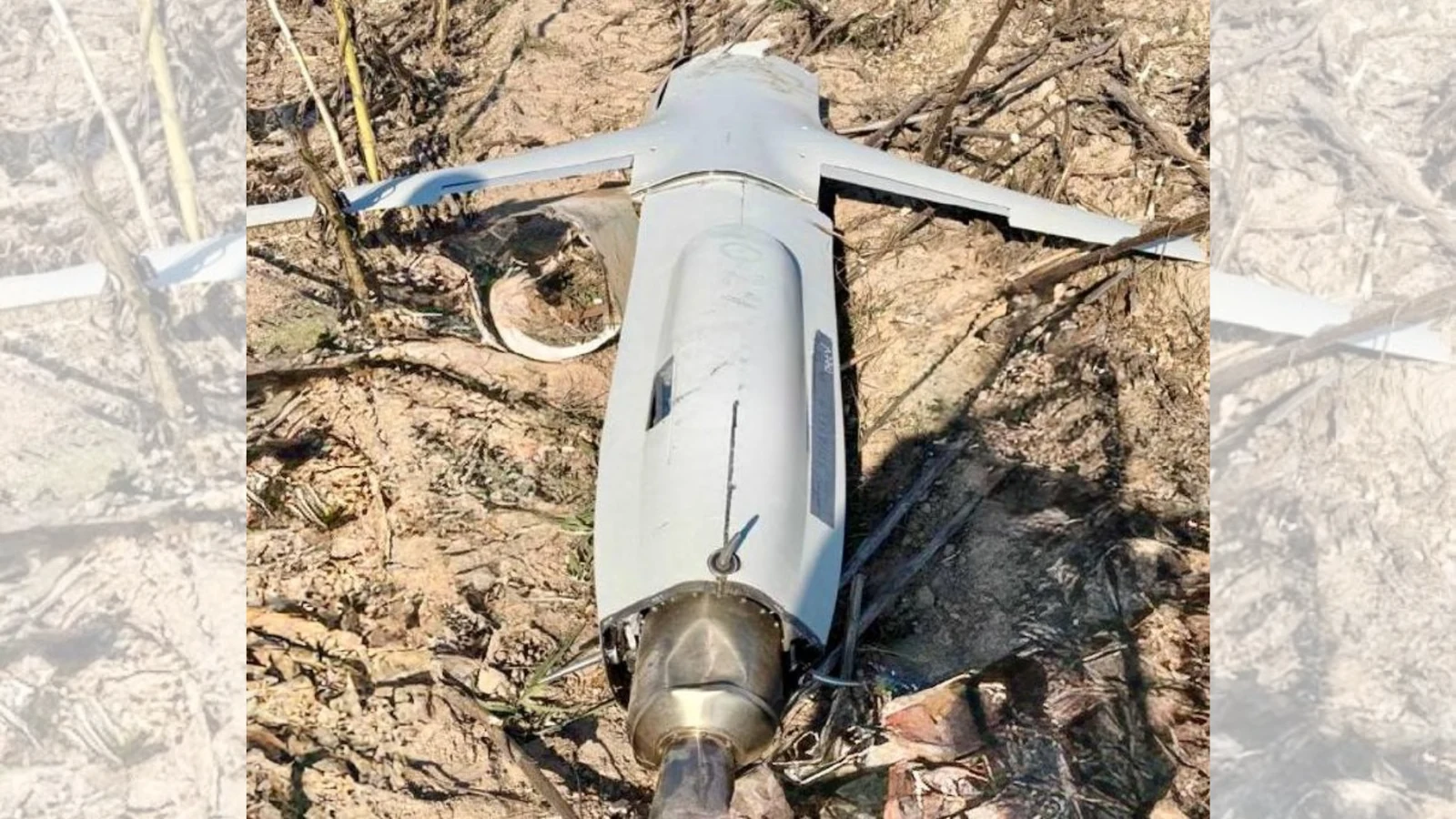
Ukraine's military intelligence has detailed the deployment of a new Russian cruise missile that integrates 3D-printed components, commercial parts, and US electronics.
 Radwan AbdulhadiEditor and technology writer
Introduction to the Filin Cruise Missile
Ukraine's military intelligence agency GUR has released detailed information regarding a new cruise missile deployed by Russia, which utilizes 3D-printed and commercial parts to reduce manufacturing costs. As detailed by [Tom's Hardware](https://www.tomshardware.com/3d-printing/russia-deploys-3d-printed-cruise-missiles-in-ukraine-can-hit-500mph-with-a-745-mile-range-fears-high-that-cheap-filin-missile-will-be-used-for-missile-spam-tactics), the weapon—known as the 'Filin'—was first deployed between late September and early October of this year. Further details are available from Tom's Hardware in the original source material.
The introduction of the Filin missile highlights ongoing adaptations in the multi-year conflict, as both sides seek more cost-efficient methods of warfare. Traditional cruise missiles, such as the Kh-101, reportedly cost upwards of $2,000,000 per launch. In contrast, the Filin is designed to be significantly more affordable, raising concerns among observers that it could facilitate 'missile spam' tactics aimed at overwhelming air defense systems.
Speed, Range, and Performance Metrics
In terms of performance, the Filin cruise missile is capable of reaching speeds up to 500 mph and features a range exceeding 700 miles, with specific reports noting a range of up to 745 miles. This makes it substantially faster than standard drones utilized in the conflict. For comparison, the Geran-5 drone historically maxed out at speeds around 270 mph and was known to encounter structural stability issues in flight.
While the Filin does not match the top speeds of modern fighter jets like the F-16 Fighting Falcon, its heightened velocity and long range present fresh challenges for Ukrainian air defense operators tasked with intercepting incoming threats across extended distances.
Materials, Manufacturing, and Electronic Components
According to the GUR, the Filin features a carbon and fiberglass fuselage combined with selective 3D-printed elements. While 3D-printing is not universally cheaper than traditional manufacturing, it offers cost-efficiencies when producing complex geometries such as specialized turbine blades or unique internal components.
To keep overall production expenses low, Moscow has relied on a mix of domestic and foreign commercial parts. The missile utilizes Russian-made engines, setting it apart from the Chinese turbojets commonly found in Shahed-style drones. However, an analysis of its onboard electronics reveals a heavy reliance on foreign supply chains.
The Ukrainian intelligence agency reported that the missile's electronic components—including its flight controller, inertial navigation systems, equipment controllers, and counter-jamming hardware—originate from several nations. Specifically, the GUR identified 35 components from the U.S., 22 from China, and 13 distributed across Japan, Switzerland, Taiwan, and the Netherlands.
Implications for Air Defense and Future Tactics
The deployment of a lower-cost cruise missile built with commercial and 3D-printed components points toward a broader strategic shift in the conflict. By lowering the financial barrier associated with long-range strike capabilities, military forces can potentially sustain larger volumes of fire over extended periods.
As defense analysts and intelligence agencies continue to examine captured hardware and debris from the newly deployed systems, the focus remains on how regional air defenses will adapt to the potential increase in high-speed, cost-optimized cruise missile deployments.
Sources
- Tom's HardwareRussia deploys 3D-printed cruise missiles with US electronics in Ukraine, can hit 500mph with a 745-mile range
Continue chronologically


Related stories
Tom's Hardware Details Vera CPUs and Agentic AI Benchmarks
Explore the latest Tom's Hardware coverage including Nvidia Vera CPUs on Oracle clusters, agentic AI benchmarks, and LLM primers.

Deepseek Unveils V4.1 Flash 1017 AI Model
Deepseek has upgraded its V4.1 Flash open-weight AI model, delivering lower running costs and high efficiency alongside notable hallucination challenges.

Chip Fab Engineering Game Goes Viral in Taiwan
A new 3D web-based simulation game depicting life as a semiconductor wafer factory worker has gone viral in Taiwan, drawing mixed reviews for its stress.

Nvidia GPU Prices Spike in Japan, Surpassing US Rates
Nvidia RTX 50-series GPU prices have surged at a Japanese retailer, showing significant markups compared to Amazon US listings amid supply pressures.