Nvidia GPU Prices Spike in Japan, Surpassing US Rates
A Japanese electronics retailer has significantly hiked prices on Nvidia RTX 50-series graphics cards, with mainstream models experiencing the most drastic increases.
 Radwan AbdulhadiEditor and technology writer
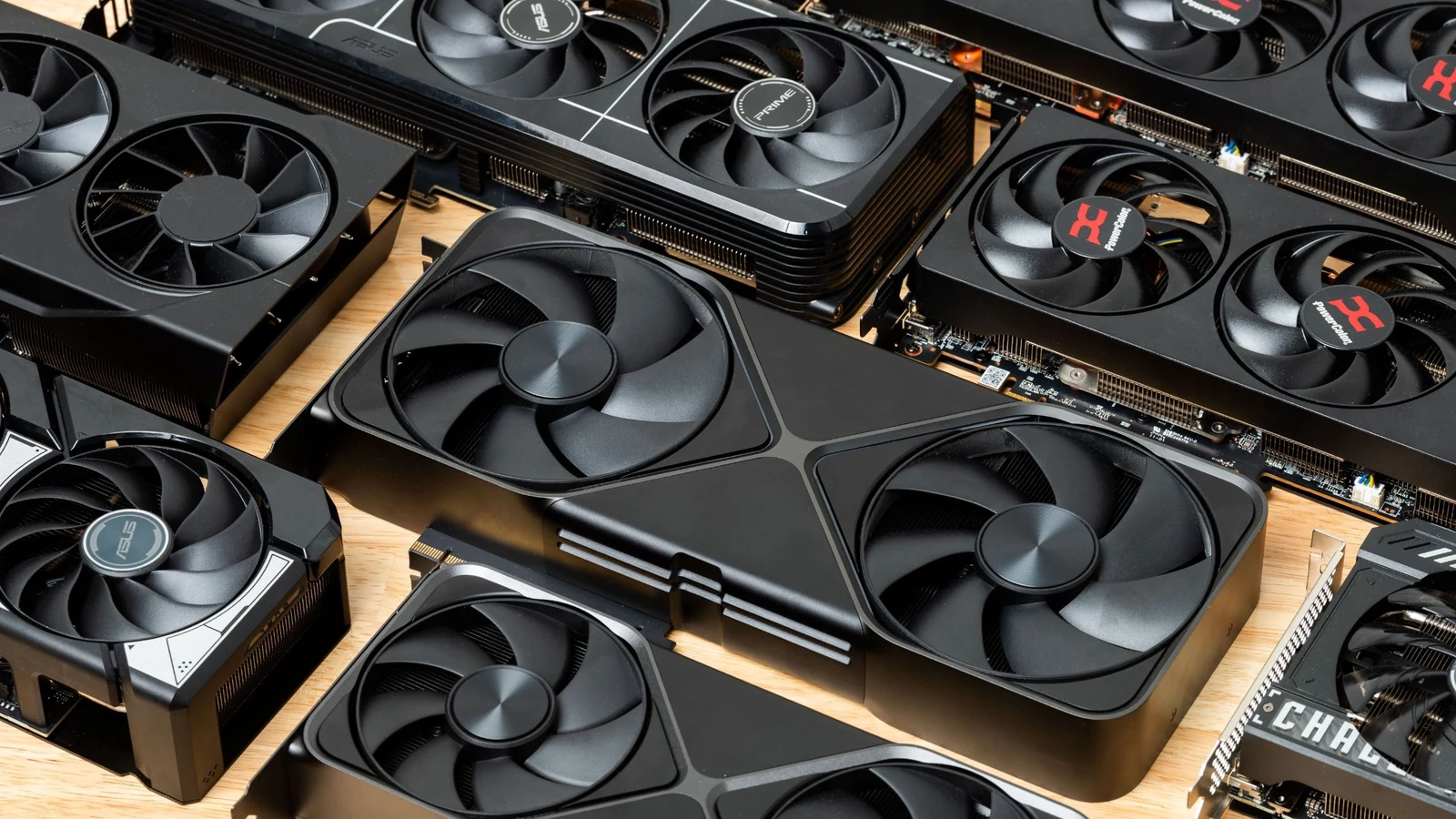
Retail Price Hikes on RTX 50-Series GPUs
Graphics card shoppers in Japan are facing steep price increases on Nvidia hardware, as highlighted by a recent social media post from a user on the r/pcmasterrace subreddit. According to data shared from a Tokyo retail store, current retail prices for several of the best gaming GPUs are ranging anywhere from 5.66% to 41.10% higher when compared directly against equivalent listings on Amazon U.S.
When analyzing the local price points against U.S. marketplace listings using a currency exchange rate of JPY 153.38 per USD 1, the hikes vary significantly depending on the model tier. The RTX 5080 saw a more moderate average increase of roughly 12.71%, while lower-tier hardware experienced much larger surges.
Mainstream Models Face the Steepest Markups
While high-end cards face severe supply constraints, mainstream components have absorbed the heaviest financial impact. The jaw-dropping peak of the current Japanese pricing structure belongs to the RTX 5060 Ti 8GB, which recorded an increase of up to 41.10% relative to standard U.S. retail prices.
Market analysts note that these figures represent pre-tax amounts. Factoring in a representative 8.5% sales tax rate typically found in high-tax U.S. states adjusts the net price difference for domestic buyers to fall between 3.88% and 30.04%, though the regional premium in Japan remains clear.
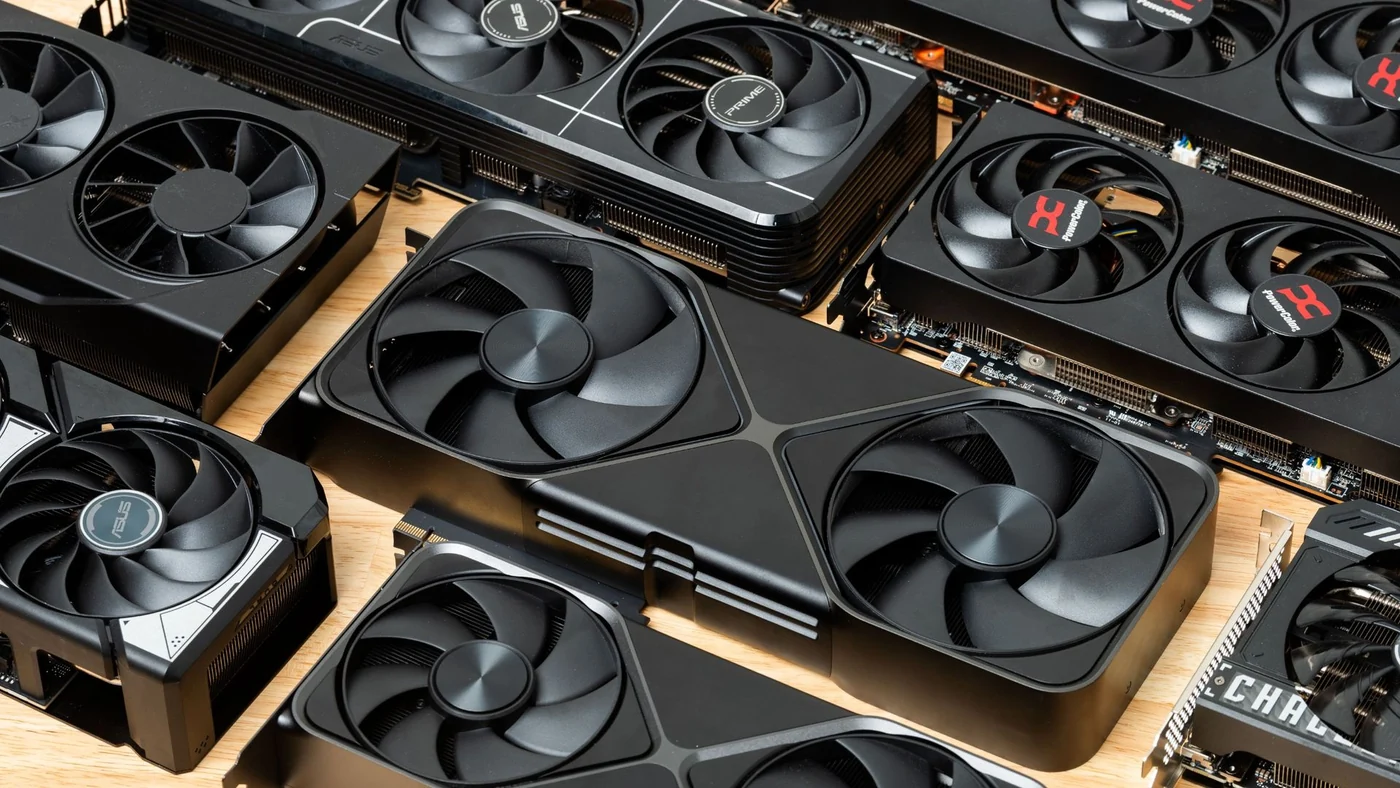
Chip Shortages and AI Compute Demand
The upward price momentum is primarily driven by broader industry pressures, including an ongoing memory chip shortage and massive enterprise demand for AI compute resources. Industry reports indicate that Nvidia may plan to shift production away from consumer flagship models like the RTX 5090 to prioritize AI data center and professional-grade hardware.
As online availability for high-end consumer cards dries up—with independent sellers occasionally listing remaining stock at exorbitant rates—retailers experience cascading supply pressure. The absence of top-tier cards in stock often forces downstream demand onto mid-range and entry-level graphics cards, compounding price inflation.
Implications for Global Markets and US Buyers
Although the Japanese retail market traditionally trends higher for computer hardware compared to the United States, hardware analysts suggest this situation could act as a harbinger for Western consumers. Similar localized supply crunches occurred late last year when Japanese storefronts were forced to ration purchases of high-capacity storage drives and memory modules due to delayed resupply shipments.
Whether these dramatic price adjustments remain an isolated incident within local Japanese distribution channels or preview a broader global shift remains uncertain. Consumers closely monitoring hardware price trackers are advised to evaluate their upgrade timelines carefully, as regional cost increases have historically migrated westward over time.
Sources
- Tom's HardwareNvidia GPU prices spike in Japan; prices up to 41% higher than Amazon US
Continue chronologically


Related entity coverage
Related stories
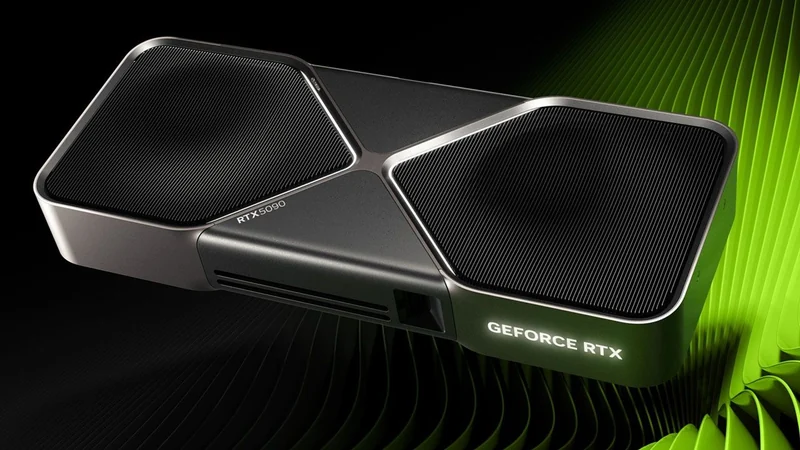
Nvidia RTX 5090 Faces Discontinuation and Surging Prices
Recent rumors suggest Nvidia's flagship RTX 5090 is facing discontinuation with no replacement until 2028, pushing standalone prices past $7,500.
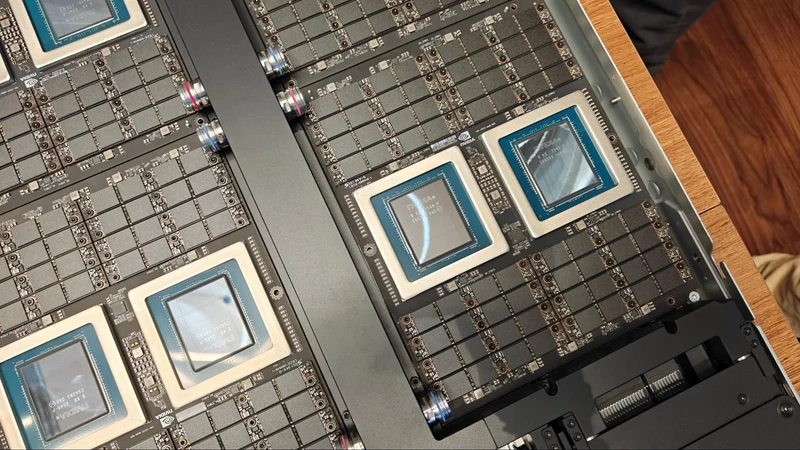
Tom's Hardware Details Vera CPUs and Agentic AI Benchmarks
Explore the latest Tom's Hardware coverage including Nvidia Vera CPUs on Oracle clusters, agentic AI benchmarks, and LLM primers.

Nvidia Vera CPU Benchmarked Against AMD and Intel
Nvidia's Vera data center CPU is benchmarked against AMD EPYC Turin and Intel Granite Rapids-AP, showcasing strong Python performance and bandwidth.
Nintendo Switch 2 Discounted to $469 in Rare Sale
The Nintendo Switch 2 portable gaming console is currently discounted to $469.99, offering a $30 savings off its recent $499 price tag.