Laika Spends Decades Building Techniques for Wildwood
After two decades of continuous technical evolution, stop-motion animation studio Laika has completed its most ambitious cinematic production to date.
 Radwan AbdulhadiEditor and technology writer
A Monumental Production Journey
Across several decades in the Hollywood industry, cinematographer Caleb Deschanel has worked on major cinematic productions like The Passion of the Christ and The Patriot, alongside sequences in The Godfather and Titanic. However, even his extensive background could not fully prepare him for his inaugural stop-motion project: serving as cinematographer on Wildwood, which stands as [the latest release from Coraline studio Laika](https://www.theverge.com/entertainment/1016647/wildwood-travis-knight-interview-ai-laika-stop-motion). Further details are available from The Verge in the original source material.
While Deschanel understood that stop-motion animation is an involved process, he was ultimately surprised by the sheer volume of work required. The production has been a long time coming for the studio. Travis Knight, Laika CEO and director of Wildwood, originally optioned the rights for the underlying book written by Decemberists frontman Colin Meloy back in 2011, though actual production did not begin until a decade later.
Scale and Scope of the Fantasy Realm
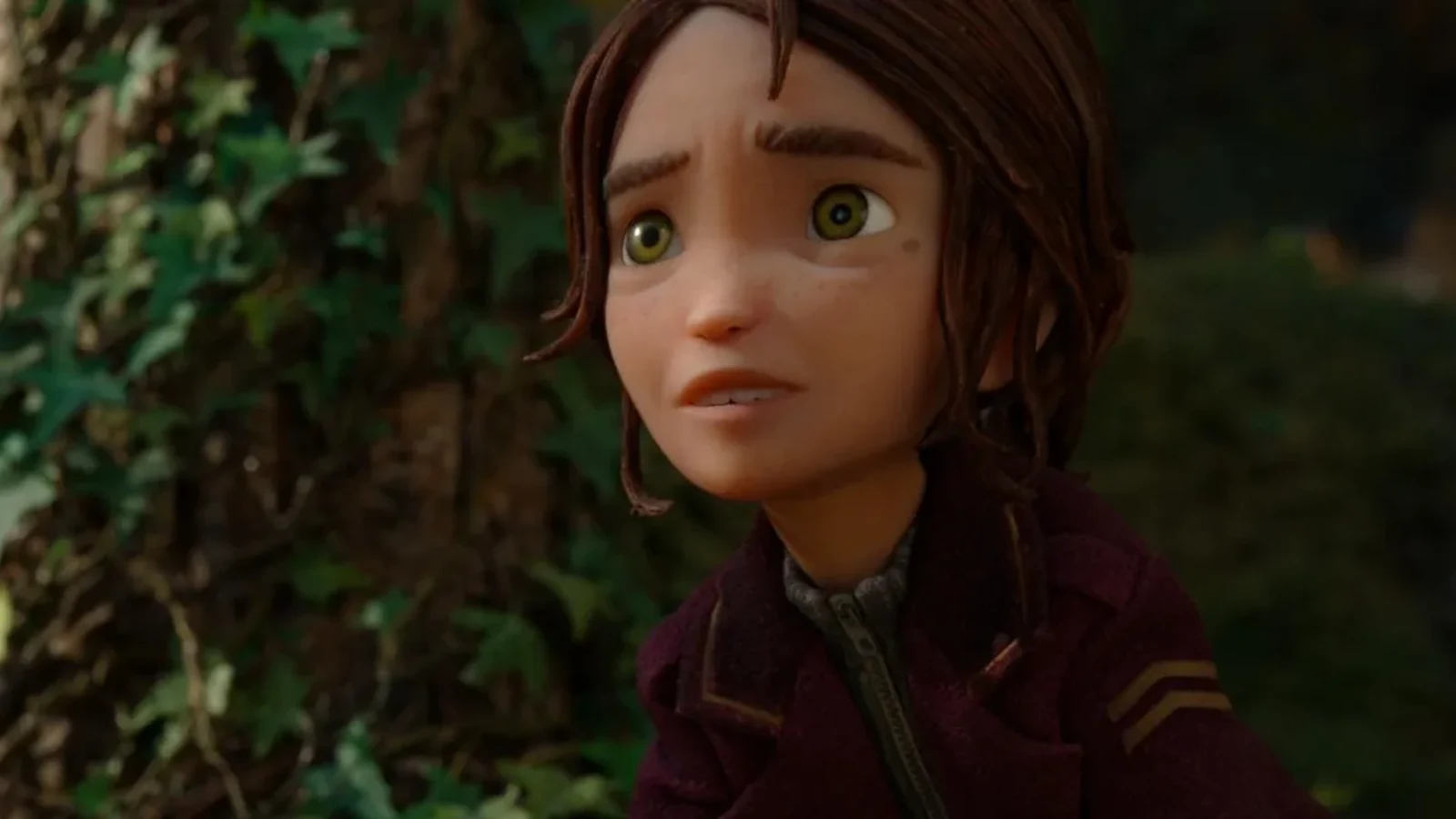
Wildwood represents the largest production Laika has ever undertaken. The narrative follows a young girl named Prue who ventures into an impassable wilderness surrounding Portland to find her missing baby brother. Upon entering the forest, she encounters a fantasy realm featuring magical spells, talking animals, and warring factions. Bringing the story to the screen required nearly 50 animators and over 200 puppets.
The film includes complex and demanding sequences, such as an epic 12-minute battle involving dozens of soldiers and a bustling Portland chase scene where Prue’s brother is carried away by a giant murder of crows. Studio representatives noted that the massive scale of the production also necessitated the implementation of a sophisticated tracking system to manage the high volume of physical moving parts and stages.
Blending Old-School Craft with Modern Tech
According to Brad Schiff, head of animation, the studio maintains an ethos of blending old-school craft with modern technology. With each project, Laika develops novel techniques, pushing successful ideas further on subsequent films. For instance, on the previous film Missing Link, the main character utilized an internal diaphragm that expanded or contracted when a screw on its back was turned, creating a breathing illusion that has since become a studio standard.
Costume designer Deb Cook highlighted the accumulation of tools available for the production. Rather than a single standout innovation, the team drew from a gathered library of techniques to manage the broad range of modern clothing in city sequences alongside more fantastical attire worn by characters inside the forest.
Material Advancements and Innovations
For Wildwood, several technological and material advancements focused on flexibility and durability. Oliver Jones, head of characters and practical effects, explained that the team engineered a new process to manufacture silicone that is both lighter and more durable than previous options, allowing the studio to phase out traditional foam latex, which is prone to shrinking and crumbling over time.
These technical refinements extend to the intimate and quiet scenes in the film, where subtle details like fabric movement and breathing impressions help bring the physical puppets to life through human artistry.
Two Decades of Continuous Evolution
Laika has operated for just over 20 years, steadily pushing its stop-motion craft forward through continuous technical innovation across successive films. Knight noted that creating the version of Wildwood released in theaters would not have been possible without foundational learnings gathered from previous studio projects like ParaNorman and Kubo and the Two Strings.
Furthermore, bringing the project to life involved a collaborative team combining studio veterans with younger animators, some of whom were originally inspired to enter the industry by watching the studio's very first feature, Coraline.
Sources
- The VergeLaika has spent 20 years building up to Wildwood
Continue chronologically

Related stories
Building Ultra-Low-Latency Voice AI on AWS
Discover how Cartesia utilizes State Space Models and AWS infrastructure to deliver sub-100ms voice AI experiences globally.

Chainalysis Discloses Data Breach From Offensive Agentic Techniques
Blockchain intelligence firm Chainalysis discloses a security breach involving offensive agentic techniques that exposed customer names and emails.

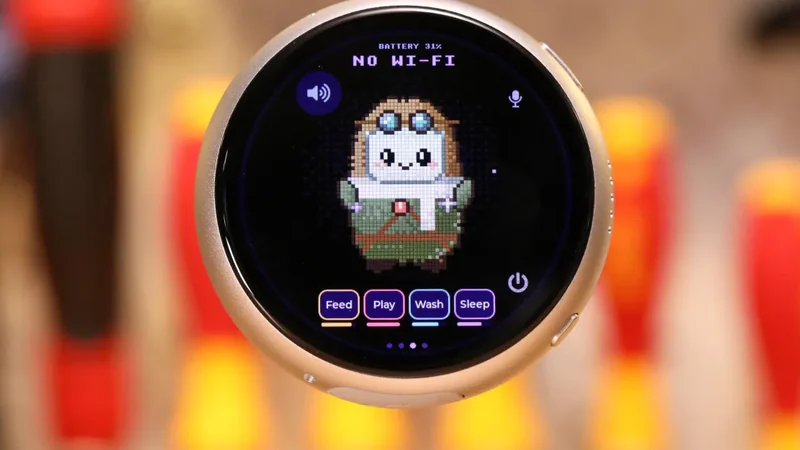
Building a DIY AI Tamagotchi with Off-the-Shelf Hardware
Discover how a tech user built an alternative AI Tamagotchi using the Waveshare ESP32-S3 1.75C development kit and custom code instead of buying Meta's official device.
AI Breakthrough Upends Decades of Computer Science Research
Both Anthropic and OpenAI claim to have disproved the exponential time hypothesis, rendering vast swaths of theoretical computer science research obsolete.