OpenAI claims ex-employee took product plans to Apple
OpenAI has accused an unnamed former employee of stealing over 100 confidential files regarding its product plans and presenting them directly to Apple leadership prior to joining the company.
 Radwan AbdulhadiEditor and technology writer
The Allegations and File Transfers
OpenAI claims a former employee took more than 100 files related to its product plans before joining Apple, according to details revealed in [a document filed on Wednesday](https://www.documentcloud.org/documents/28812737-openai-trade-secrets-claim/). The unnamed individual is accused of copying the information and sending it to a personal account before presenting the material directly to Apple leadership.
The details of this accusation were [reported earlier by Reuters](https://www.reuters.com/business/retail-consumer/openai-employee-who-left-apple-took-files-about-unreleased-device-openai-alleges-2026-10-14/), shedding light on a new escalation in the ongoing legal confrontations between the major technology entities.
The unfolding situation forms part of a broader, complicated legal battle spanning [Apple and OpenAI](https://www.theverge.com/tech/964843/apple-openai-lawsuit-wildest-claims) that touches upon proprietary technology, hardware prototypes, and trade secrets.
As the legal proceedings advance, both sides continue to make serious assertions regarding corporate espionage, data mishandling, and the protection of confidential research assets.
Details of the Stolen Confidential Files
According to the legal filing, the compromised files contained highly sensitive information. OpenAI specifies that the material included images of at least one unreleased device, as well as comprehensive supplier information and engineering data.
Furthermore, the documents reportedly featured project files, standards detailing cosmetic finishes, and technical reports focusing on the coating and sealing of various hardware components.
OpenAI has expressed deep apprehension that this trove of proprietary intelligence is currently circulating internally among Apple teams, potentially allowing Apple engineers to influence and shape their upcoming product lineup based on OpenAI's proprietary and innovative research.
The company maintains that such access gives an unfair advantage and compromises months of careful internal development and architectural planning.
Connection to Recent Apple Hardware Announcements
In its legal documents, OpenAI explicitly connects the former employee's presentation to Apple's hardware portfolio updates. The filing mentions Apple's recently revealed [new HomeView smart display](https://www.theverge.com/tech/1009877/apple-homeview-smart-home-display-hands-on) alongside other connected accessories announced during the same week.
Alongside the display, Apple revealed a [range of other devices](https://www.theverge.com/tech/1009680/apple-home-collection-doorbell-lock-camera-smart-home-announced) aimed at expanding its footprint in smart home hardware ecosystems.
OpenAI contends that the presentation to executive leadership took place months prior to these releases, pointing to [citing an article](https://techcrunch.com/2026/10/13/apple-makes-another-push-into-the-smart-home-market-with-homeview/) and [a company announcement](https://www.apple.com/newsroom/2026/10/introducing-apple-home-collection-a-new-lineup-of-smart-home-accessories/) to underscore how Apple is accelerating its push into AI-enabled hardware products.
The timing of these product rollouts has become a central point of contention as both companies navigate the complex intersection of consumer hardware and artificial intelligence development.
Broader Context and Counter-Claims in the Legal Battle
The broader dispute involves multiple complex grievances, detailed further in resources such as [The 6 wildest claims in Apple’s lawsuit against OpenAI](https://www.theverge.com/tech/964843/apple-openai-lawsuit-wildest-claims) and analytical breakdowns like [What Apple’s OpenAI lawsuit is really about](https://www.theverge.com/podcast/968787/apple-openai-trade-secrets-lawsuit-ai-hardware-smartphone-jony-ive).
Observers note that Apple's hardware roadmap often spans long development cycles. For instance, smart home displays and related domestic hubs have [been rumored for years](https://www.theverge.com/2024/9/29/24257391/apple-smart-home-display-homeos-apple-intelligence-homepod-ipad-robot) across industry circles before finally materializing in official product announcements.
Conversely, Apple has previously filed its own counter-accusations, alleging that OpenAI personnel engaged in unauthorized document acquisition and monitored hardware prototypes to accelerate the creation of competing hardware items.
As the litigation continues to unfold, legal representatives from both sides face the challenge of substantiating claims regarding intellectual property theft, corporate surveillance, and the boundaries of proprietary device research.
Industry Reaction and Next Steps
The technology industry has closely monitored the developments between the two giants, especially given their previous collaborative ties and ongoing convergence in AI-driven consumer technologies.
When approached for comment regarding the latest filing, Apple did not immediately respond to requests for a statement from media outlets.
Legal analysts expect further court submissions as both parties seek protective orders, evidentiary rulings, and potential injunctions regarding the contested files and trade secrets.
Ultimately, the case highlights the intense competitive pressures surrounding next-generation hardware design, artificial intelligence integration, and the security of sensitive product pipelines.
Sources
- The VergeOpenAI claims an ex-employee took its product plans and presented them to Apple
Continue chronologically

Related entity coverage
Related stories
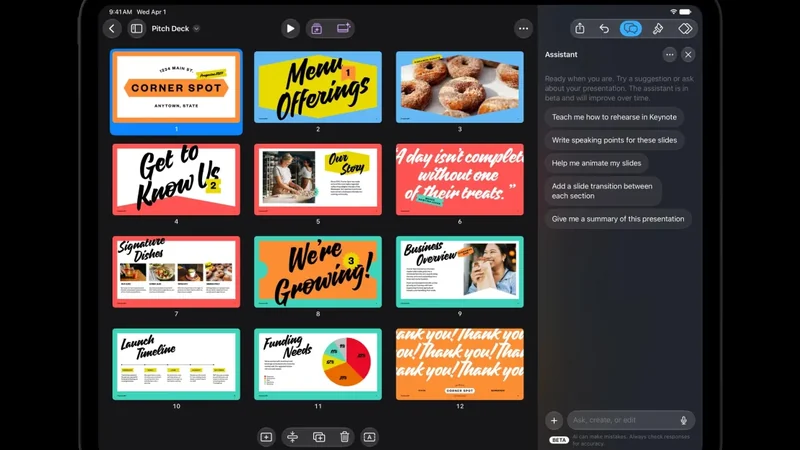
Apple Adds AI Chatbot to Pages, Keynote, and Numbers
Apple is bringing an AI assistant built on Apple and OpenAI models to its productivity apps, including Keynote, Pages, and Numbers.
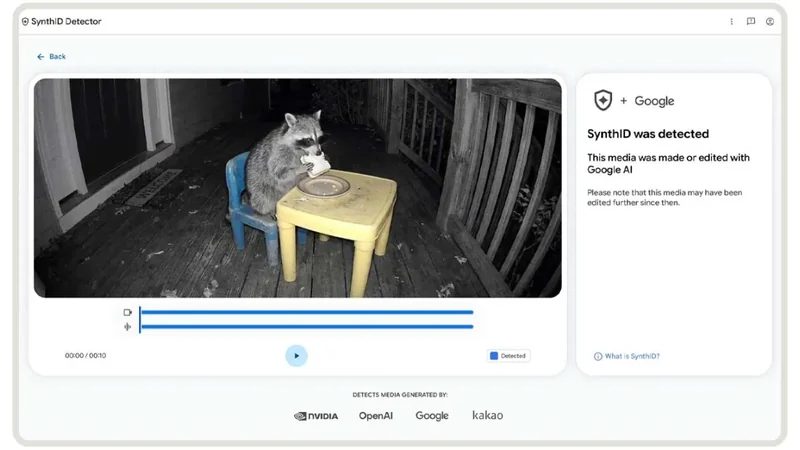
Google Expands SynthID Detector Globally with Apple Support
Google has rolled out its expanded SynthID AI content detector globally, introducing support for models from OpenAI, Nvidia, Kakao, and Apple.
The AI Graveyard: Startups and Projects That Didn't Make It
Explore the growing AI graveyard of discontinued projects, failed hardware, and high-profile tech missteps from Apple, OpenAI, Microsoft, and more.

Google rolls out improved SynthID AI content detector globally
Google has launched an improved SynthID AI content detector on a new website, supporting watermarks from major partners including OpenAI and Nvidia.